Economies Without Scale← Back to project
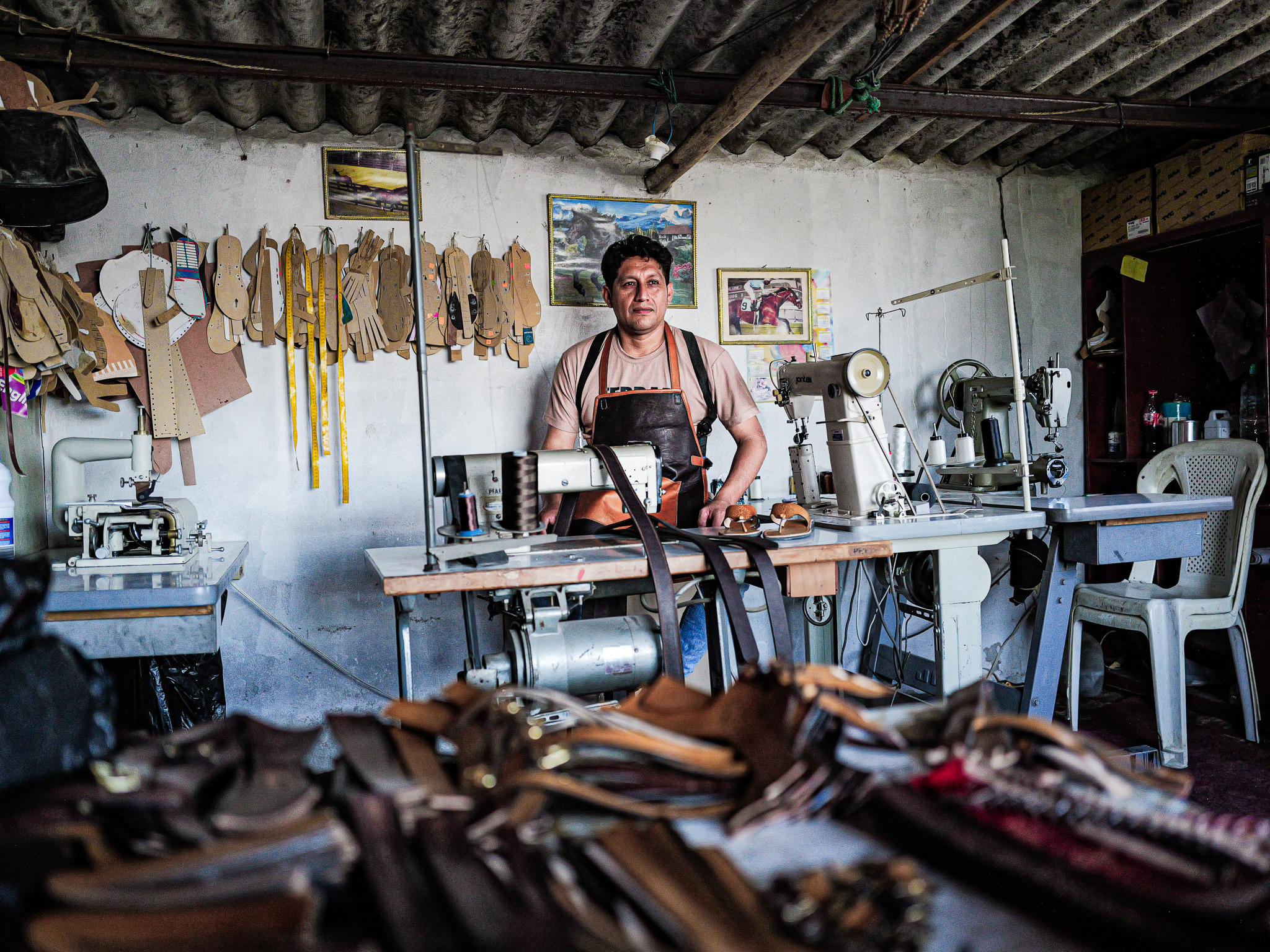
Gustavo standing in his leather workshopPhoto 01 · L1010790-3

Profile 03 · Cotacachi, Ecuador

GustavoCraft, Family and Community

Leatherworker · Master artisan · Community advocate

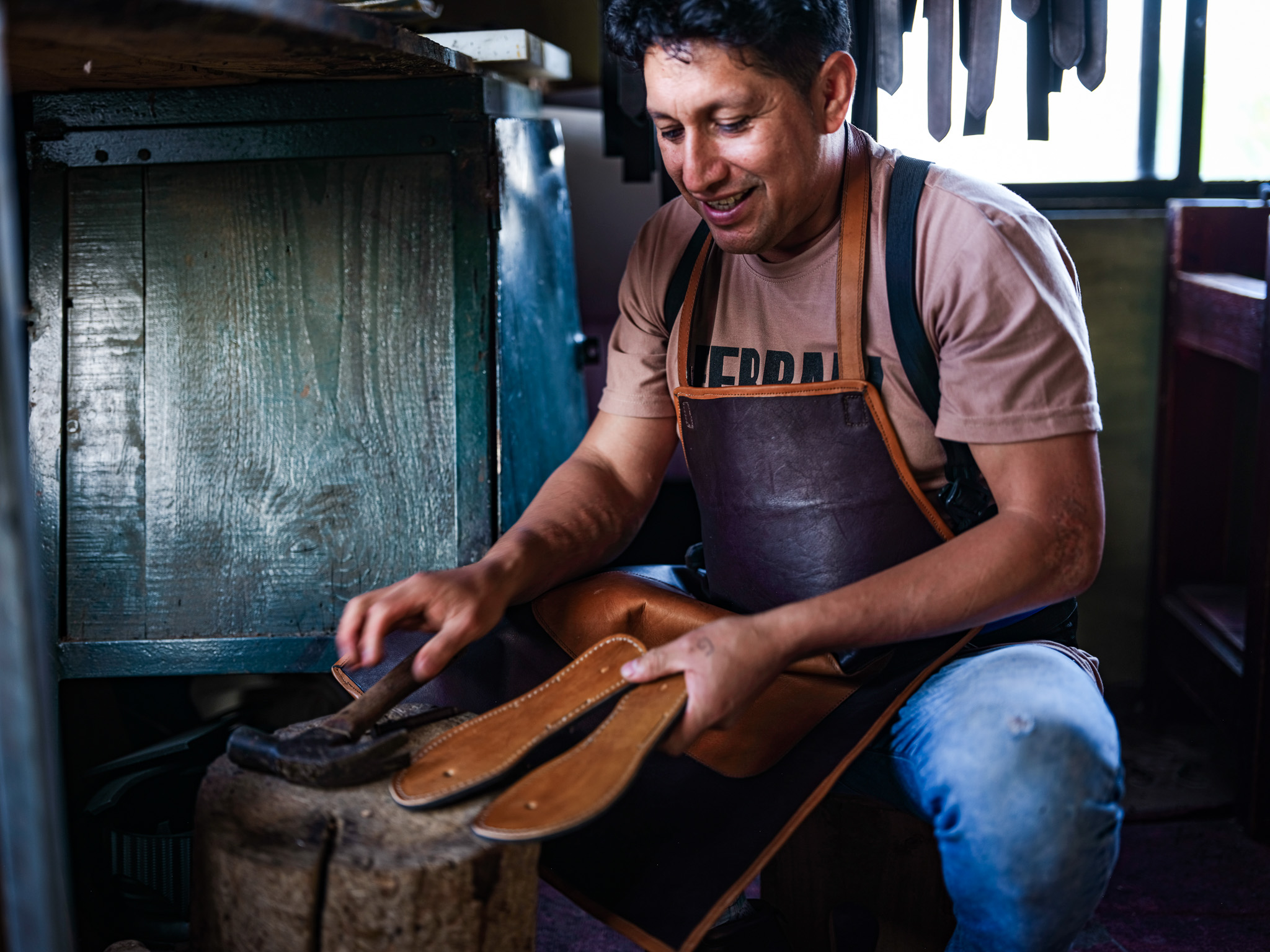
Gustavo shaping leather in his workshop
Photo 02 · DSCF8526-3

A new life in Cotacachi

Gustavo didn't come to Cotacachi to become a leather artisan. Originally from Guayaquil, he moved to this small town in the Ecuadorian Andes to work in the equestrian industry. It was here that he met his wife and through her family, discovered a trade that would eventually define his working life.

His father-in-law was a leather craftsman who taught Gustavo the skills of the trade. What began as an apprenticeship gradually developed into a profession. Over the years, Gustavo became a master artisan, learning to work with leather using techniques that have been passed down through generations of families in Cotacachi.
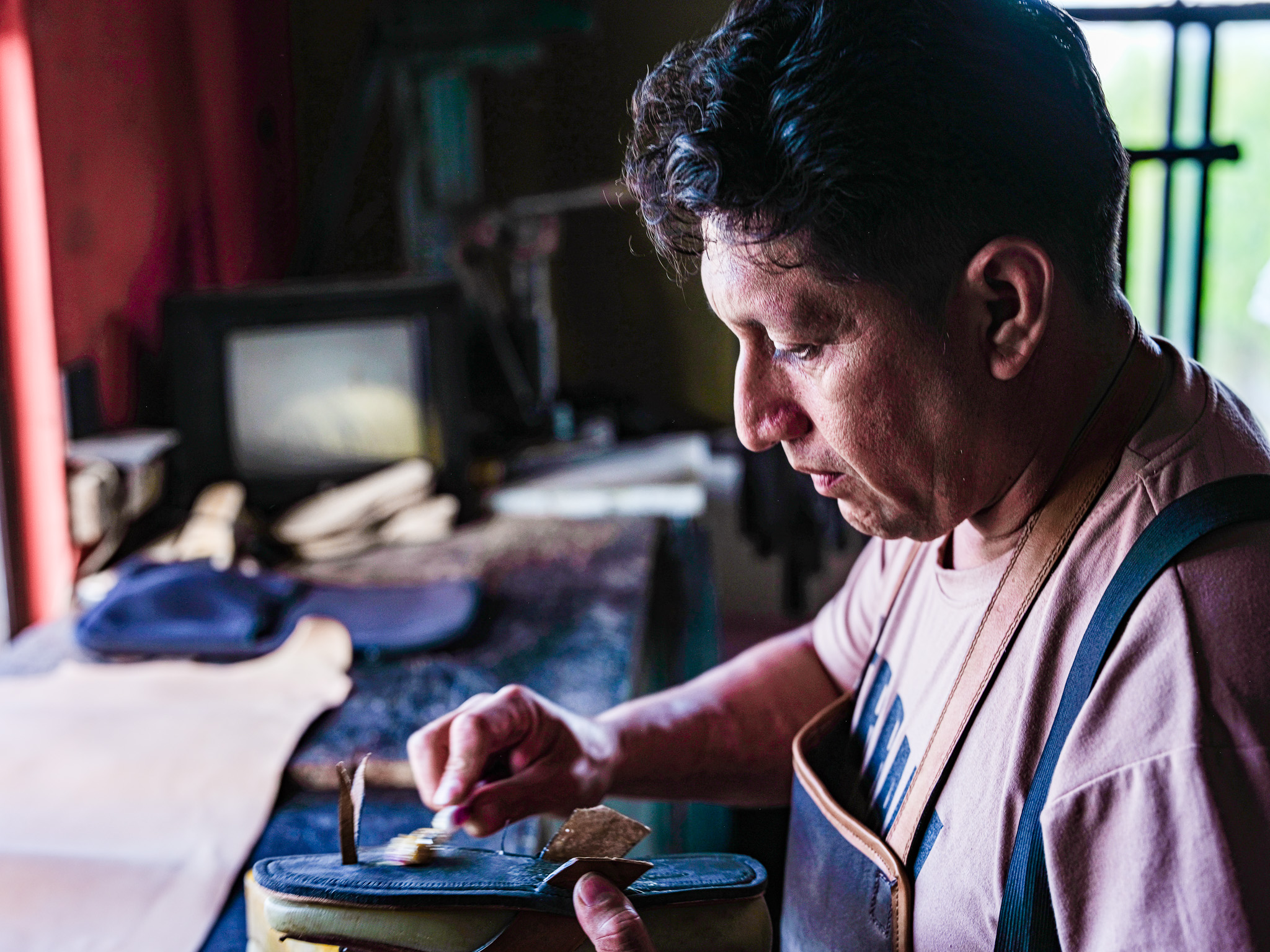
Gustavo applying detail to a leather sandal
Photo 03 · DSCF8546-3
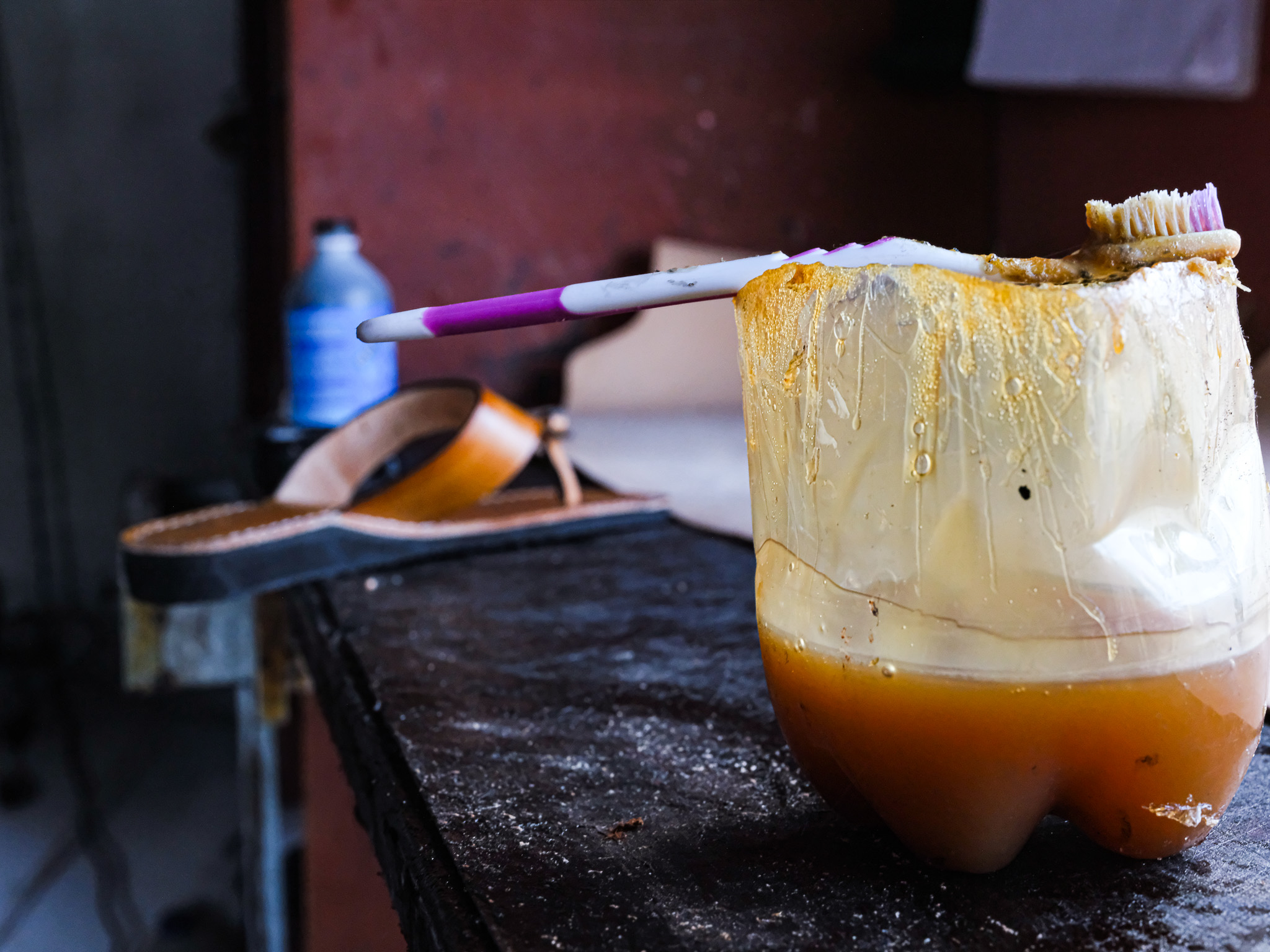
Leatherworking adhesive and brush
Photo 04 · DSCF8654
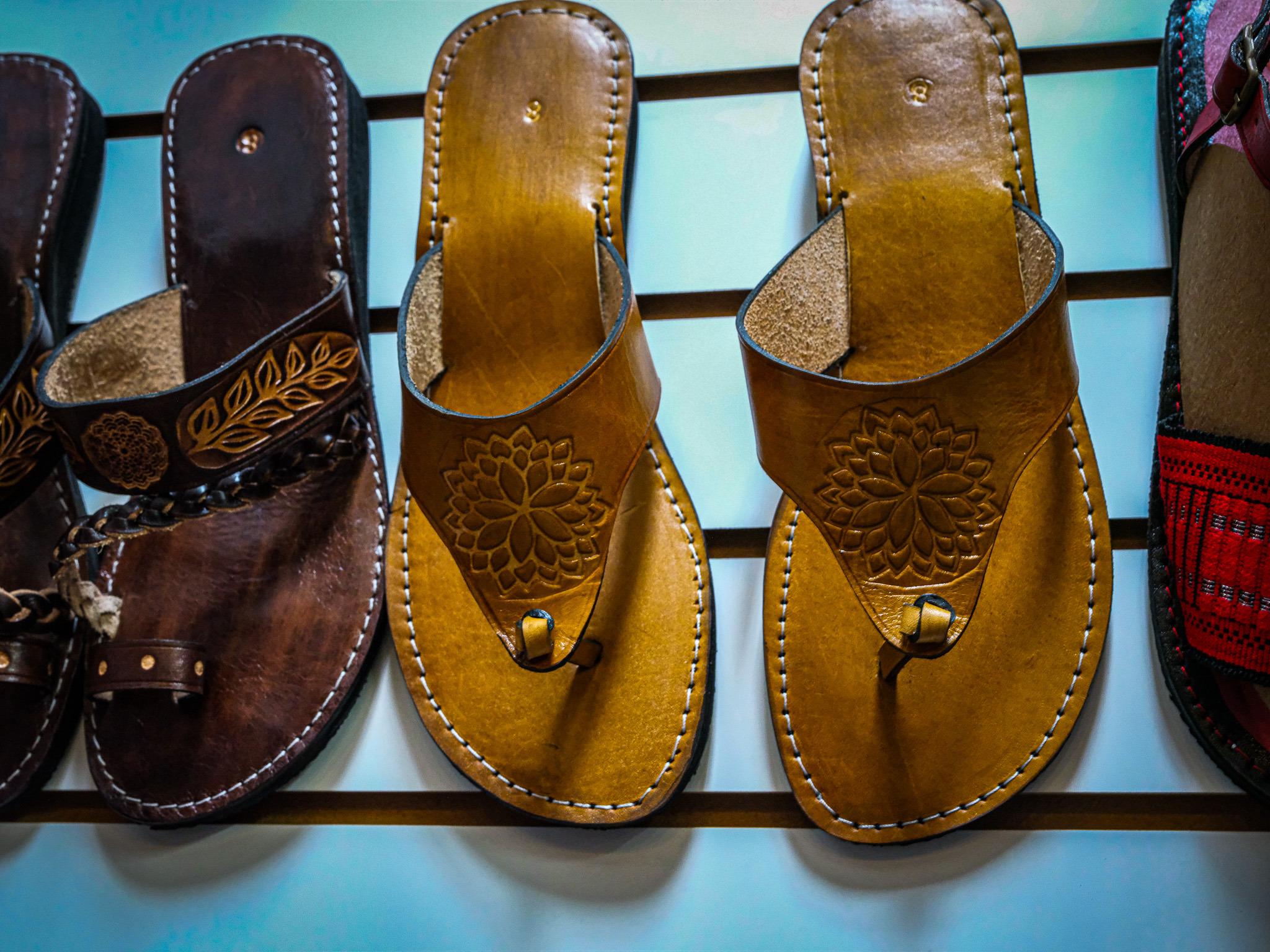
Finished handmade leather sandals
Photo 05 · DSCF8718
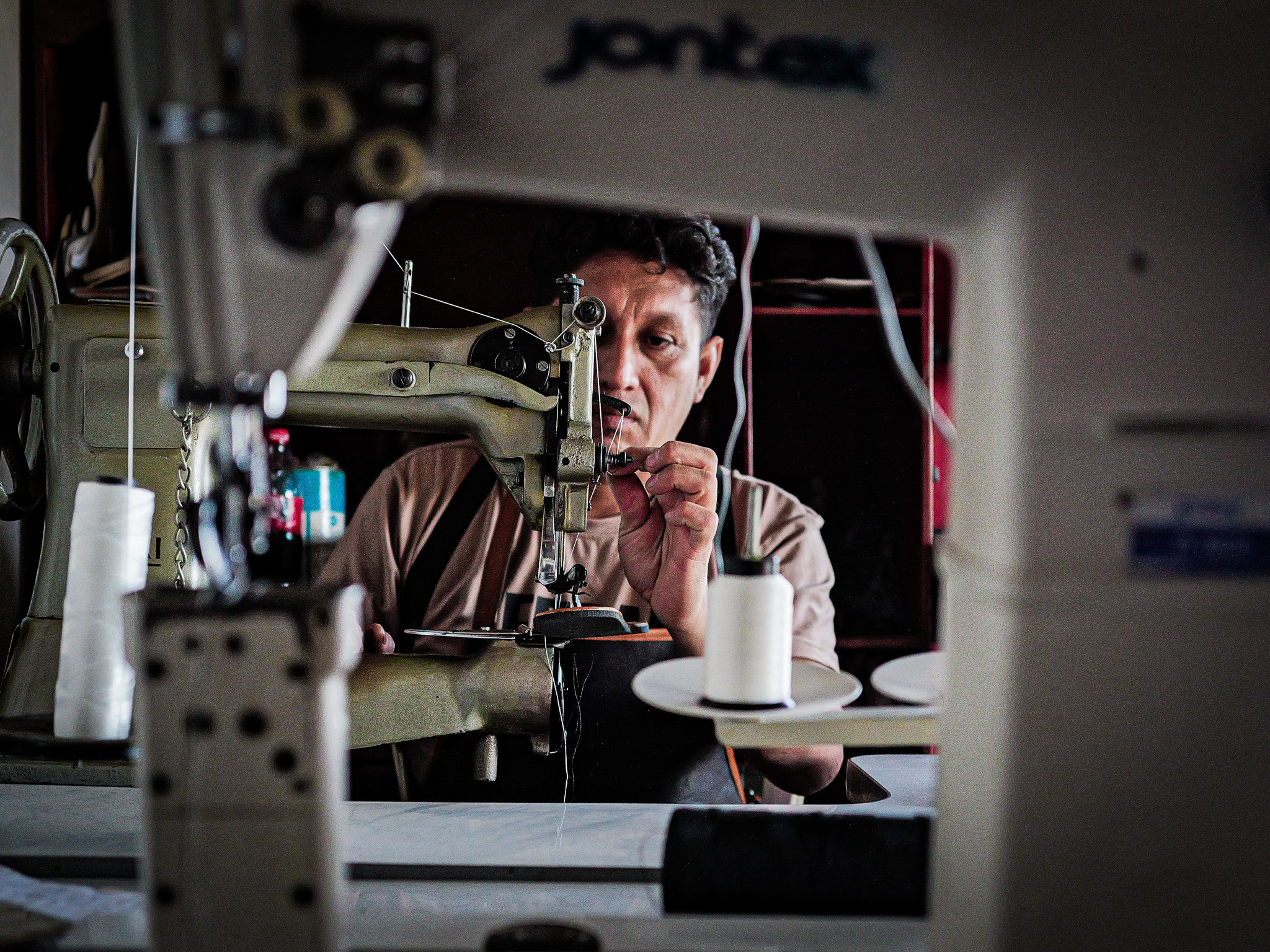
Gustavo seen through his sewing machine
Photo 06 · L1010763-4

Protecting a living tradition

Known as Ecuador's leather capital, Cotacachi has built much of its identity around small, family-run workshops. Along Calle 10 de Agosto, leather jackets, bags, belts and saddles fill the shops, many produced by craftspeople working just a short distance from where their products are sold.

But maintaining these traditions is increasingly difficult. Small workshops must compete with mass-produced imports while managing the rising costs of materials and the pressures of a changing marketplace. The challenge is finding ways to remain competitive without losing the craftsmanship that makes their work distinctive.

Gustavo understands these challenges from both sides of the workbench. As a former President of the Leather Artisans Association of Cotacachi, he represented local craftspeople, advocating for their interests and helping the community navigate the pressures facing traditional artisans.

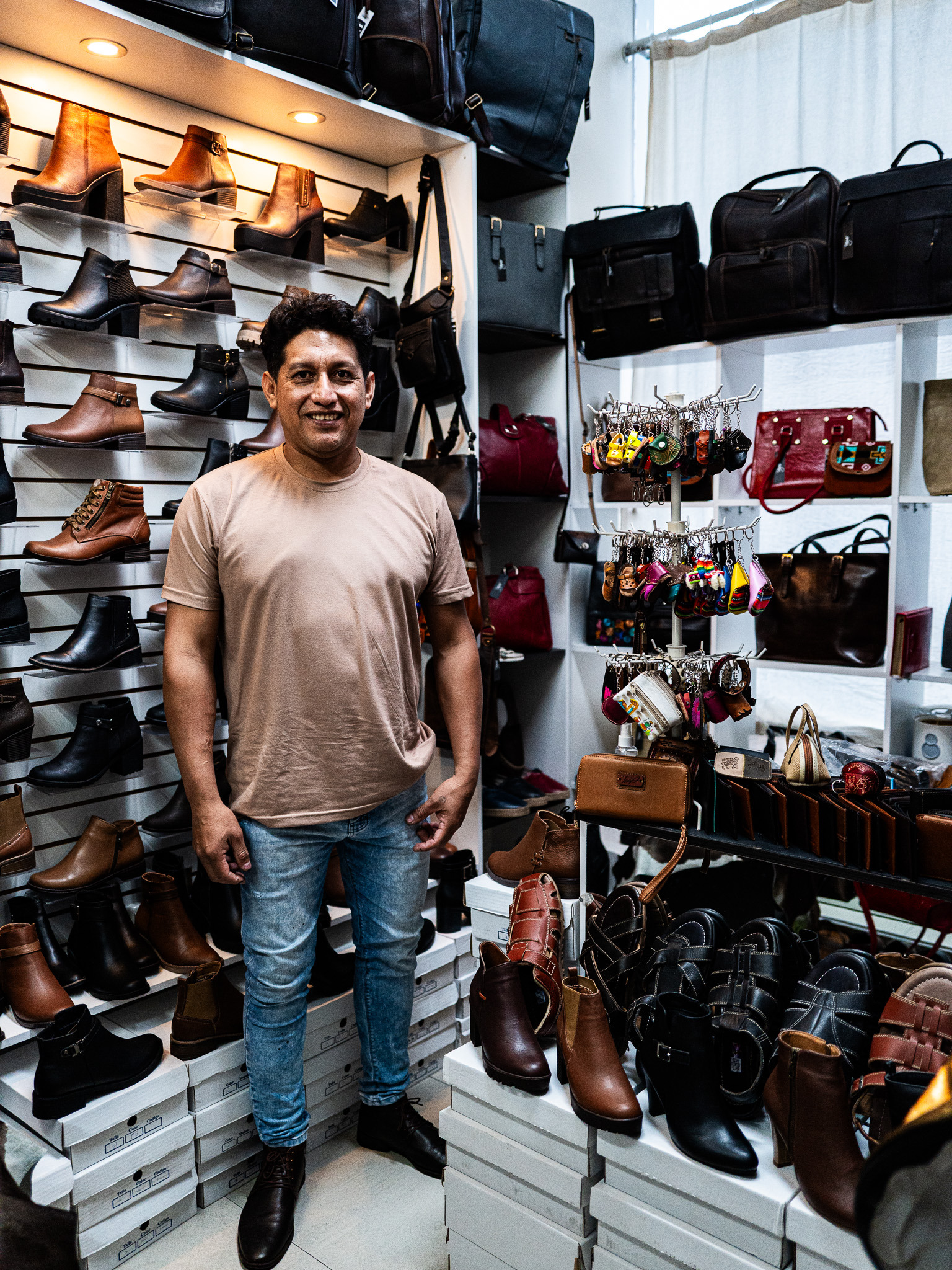
Gustavo standing among the leather goods in his shop
Photo 07 · L1010800-2

The dignity of the individual maker

For Gustavo and his fellow artisans, the ability to earn a living from their craft is also what makes its preservation possible. When traditional skills have economic value, workshops can remain open, knowledge can be passed to the next generation, and the culture surrounding the craft continues to evolve rather than becoming something preserved only for its history.

Gustavo's story illustrates how economic opportunity and cultural preservation can reinforce one another. The challenge is not simply to protect traditional craftsmanship from a changing world, but to ensure that it remains a viable way of making a living within it.