Chapter 01Essay
Introduction
Capitalism traditionally measures success through scale: more production, larger markets, greater returns. The entrepreneurs and organizations featured in Economies Without Scale occupy a different space. They measure the success of their business by providing for the family, educating their children, and helping their communities. After studying business in university, I spent 25 years as a visual storyteller for some of the world's largest corporations. I participated in global capitalism and benefited from it, but became increasingly troubled by the concentration of wealth that results. According to Oxfam International, the richest 1% captured nearly two-thirds of all new global wealth created during the crisis years of the early 2020s.
Intellectually, the idea of how economics play an oversized role in shaping our lives was a core interest to me but how do you bring a story like this to life? The answer, for me, was to dive into individual stories across different cultures and geographies and find where our common aspirations unite us. My intention is to show individuals whose ambition and determination feel universal contrasted against different environments and challenges.
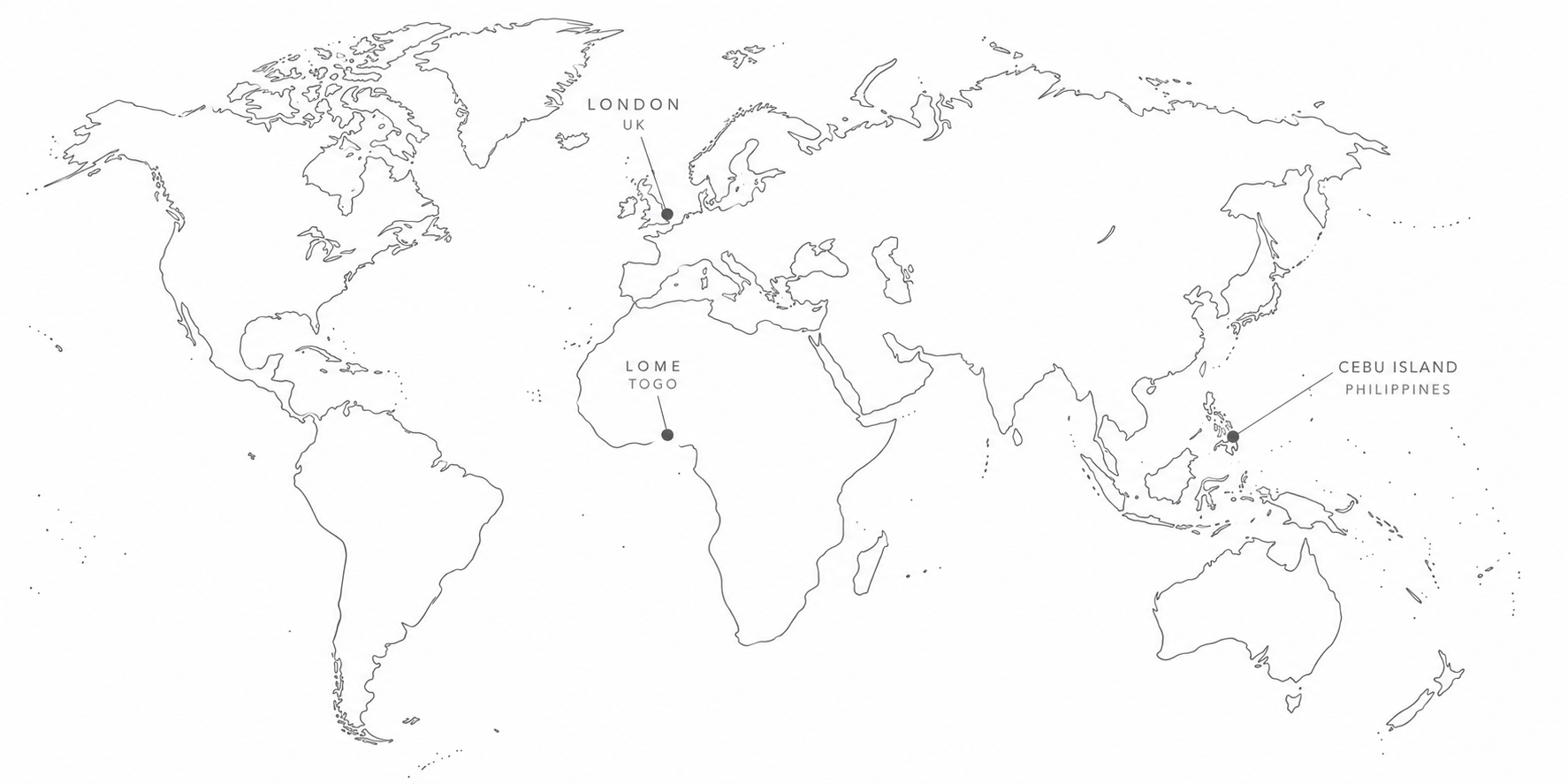
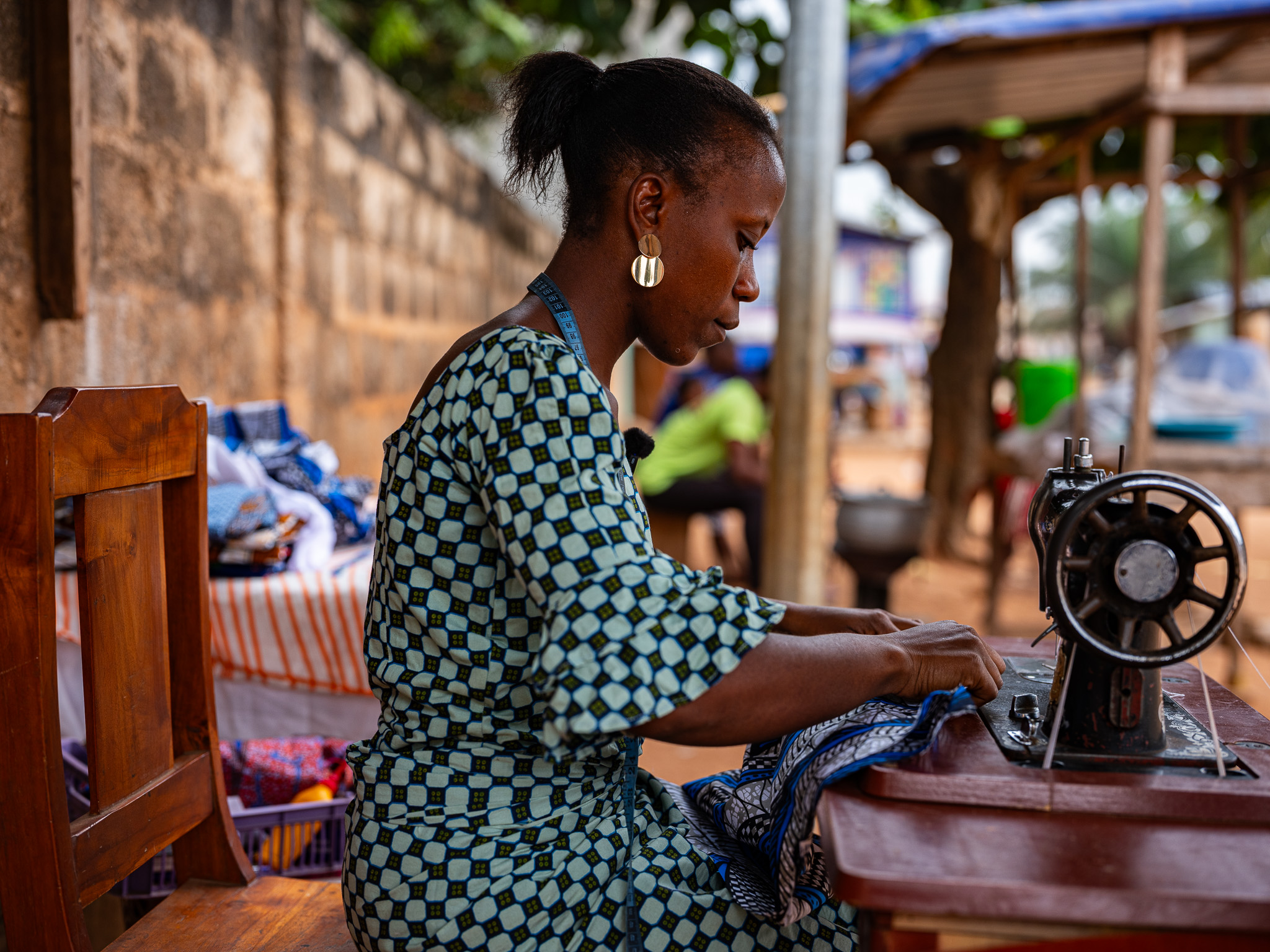
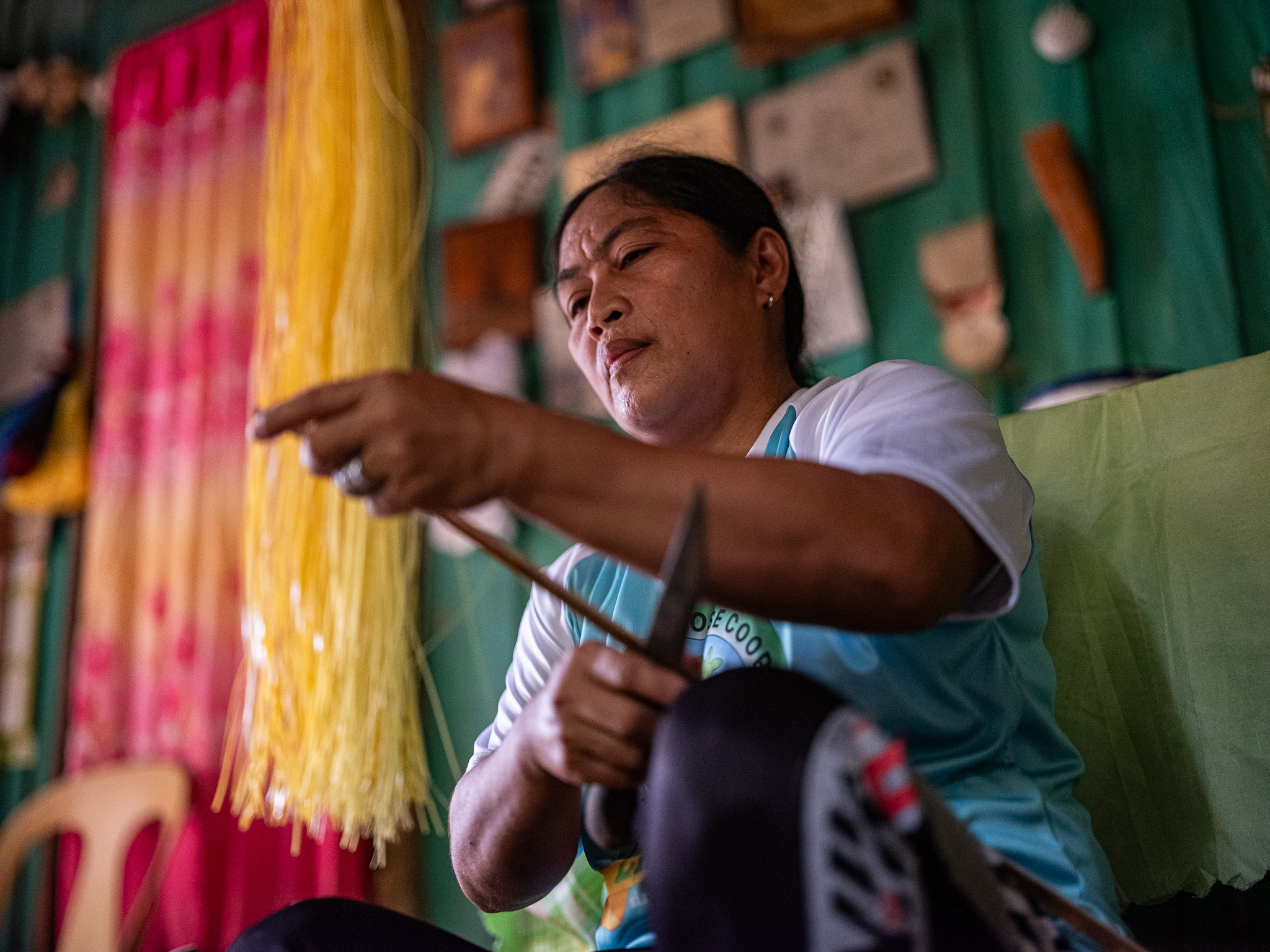
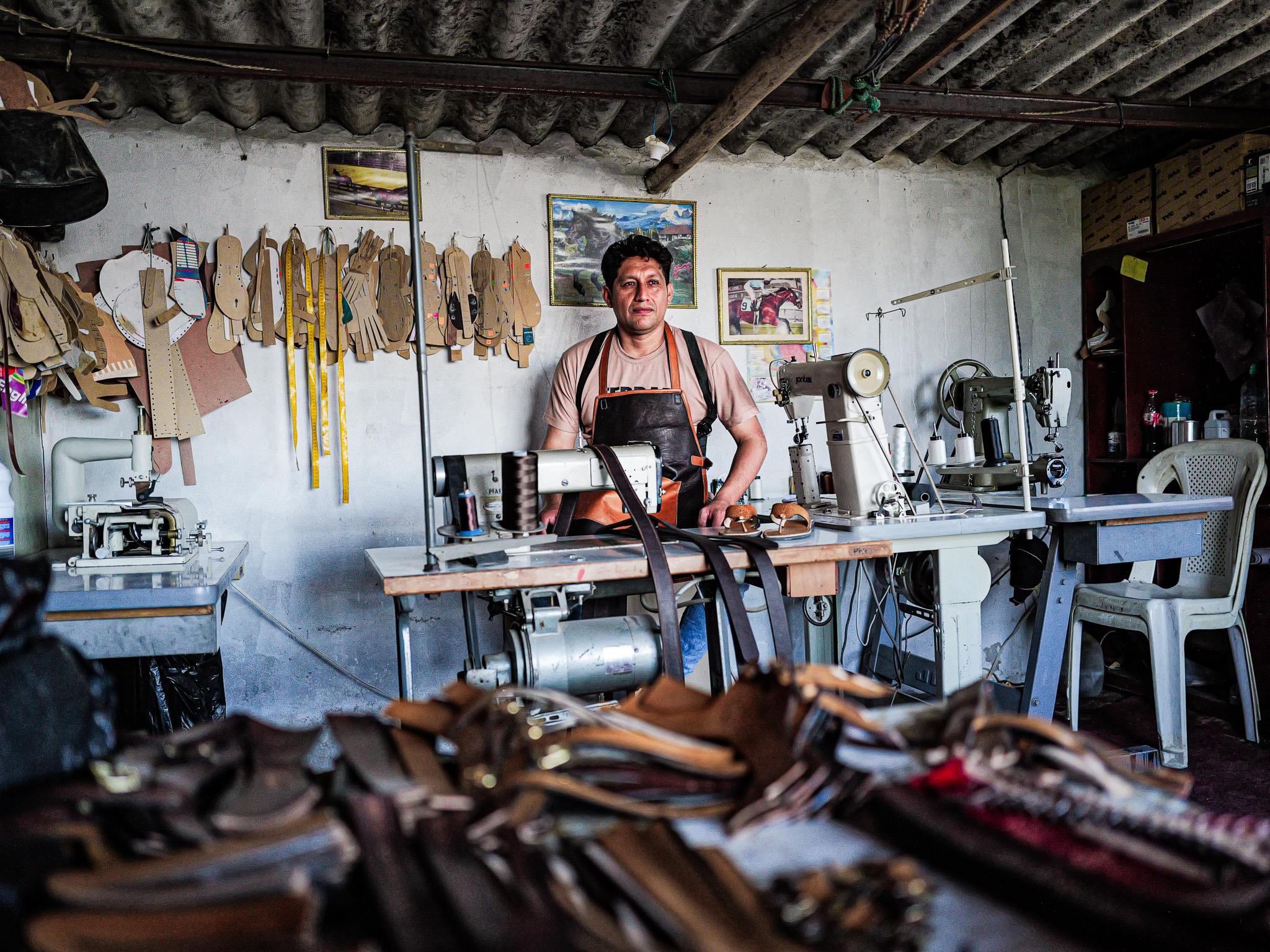
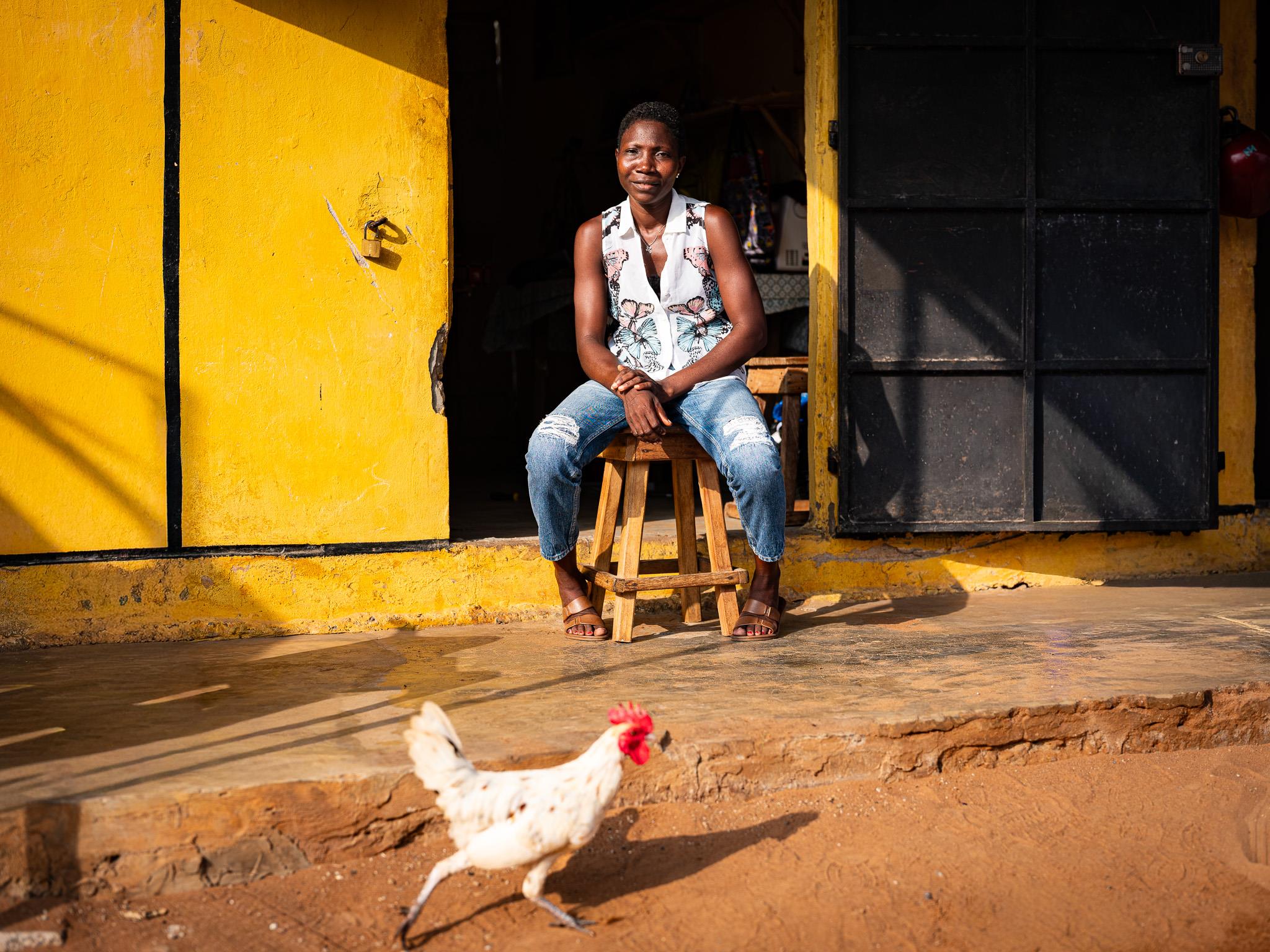
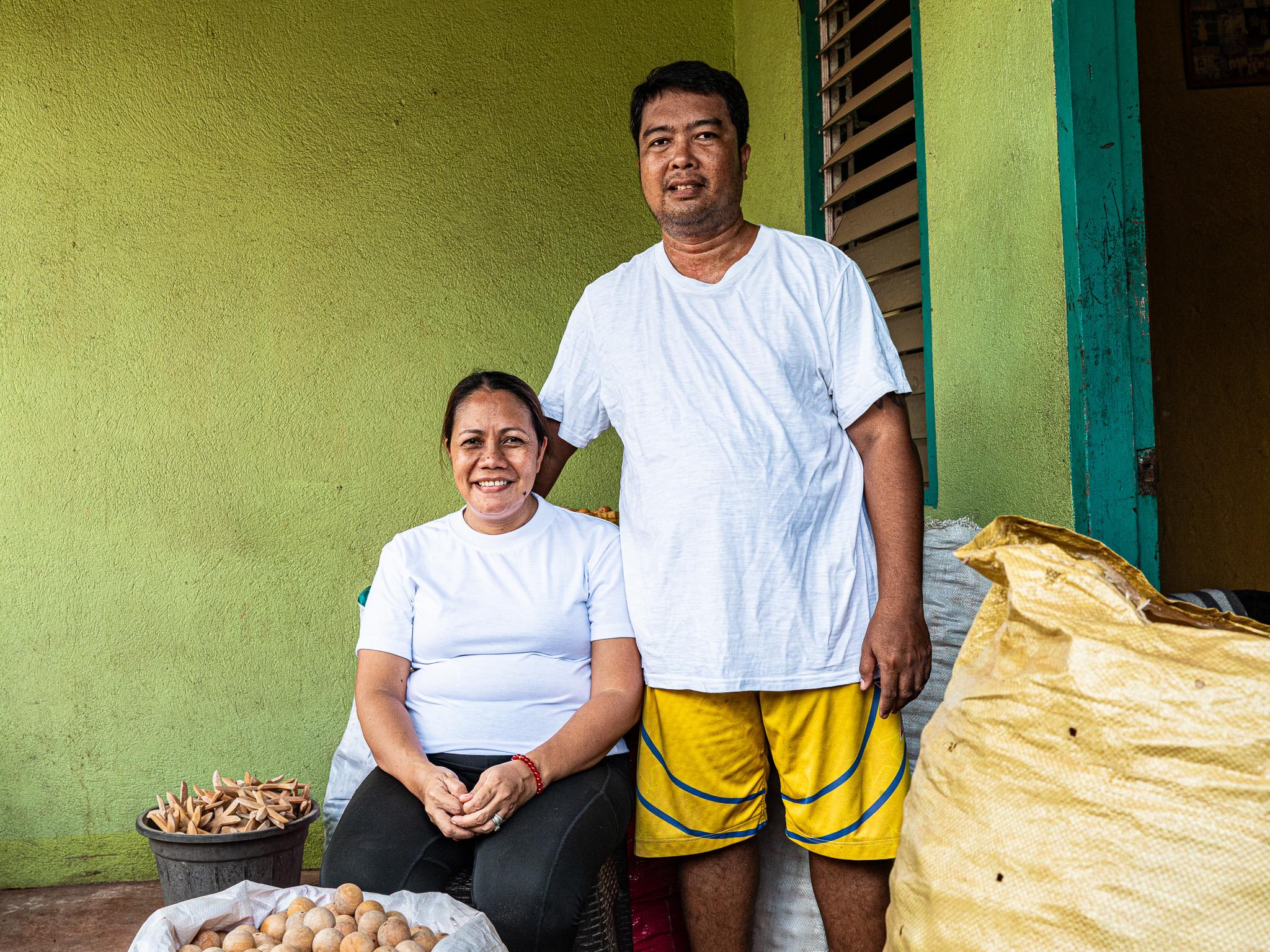
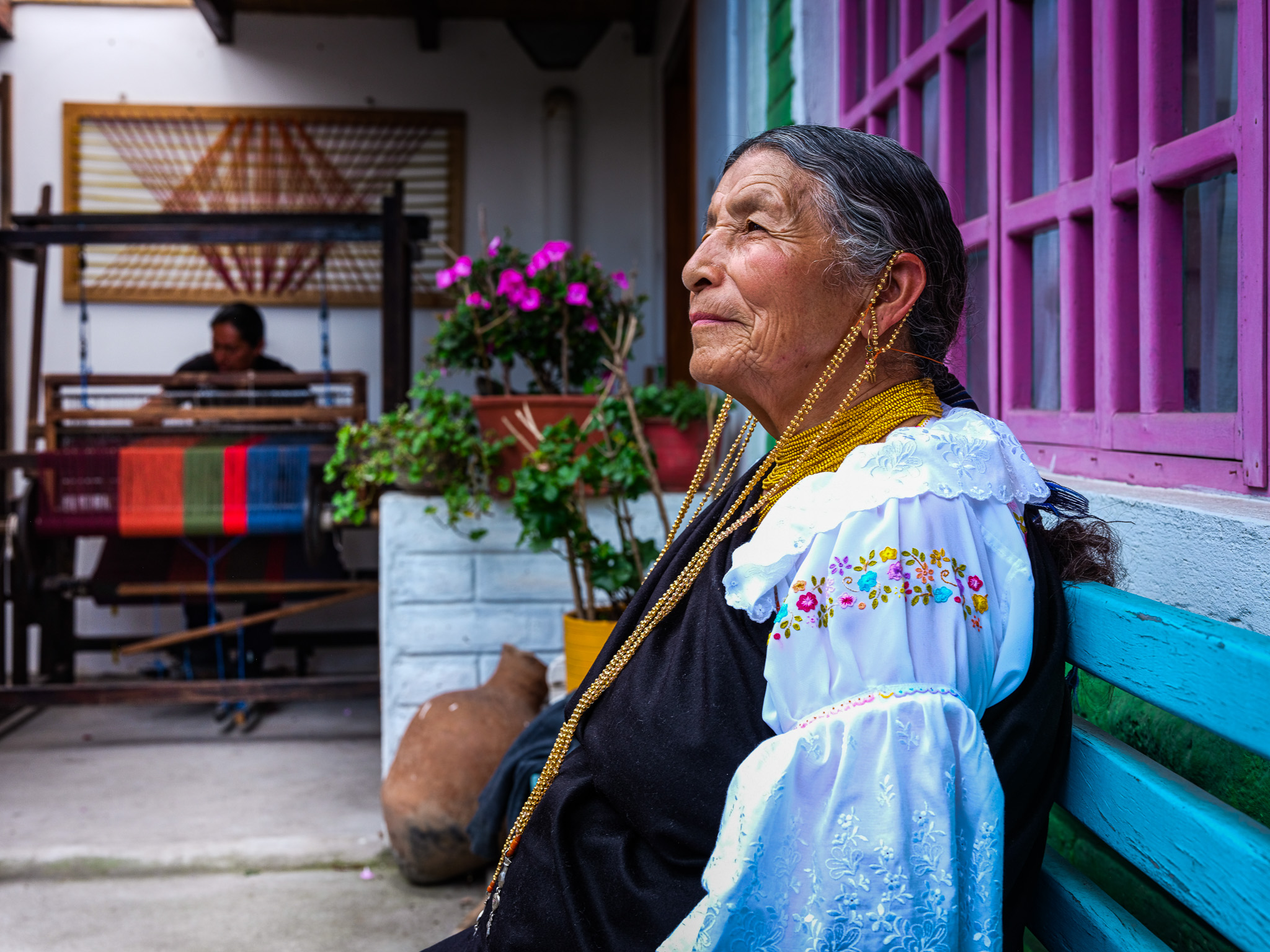
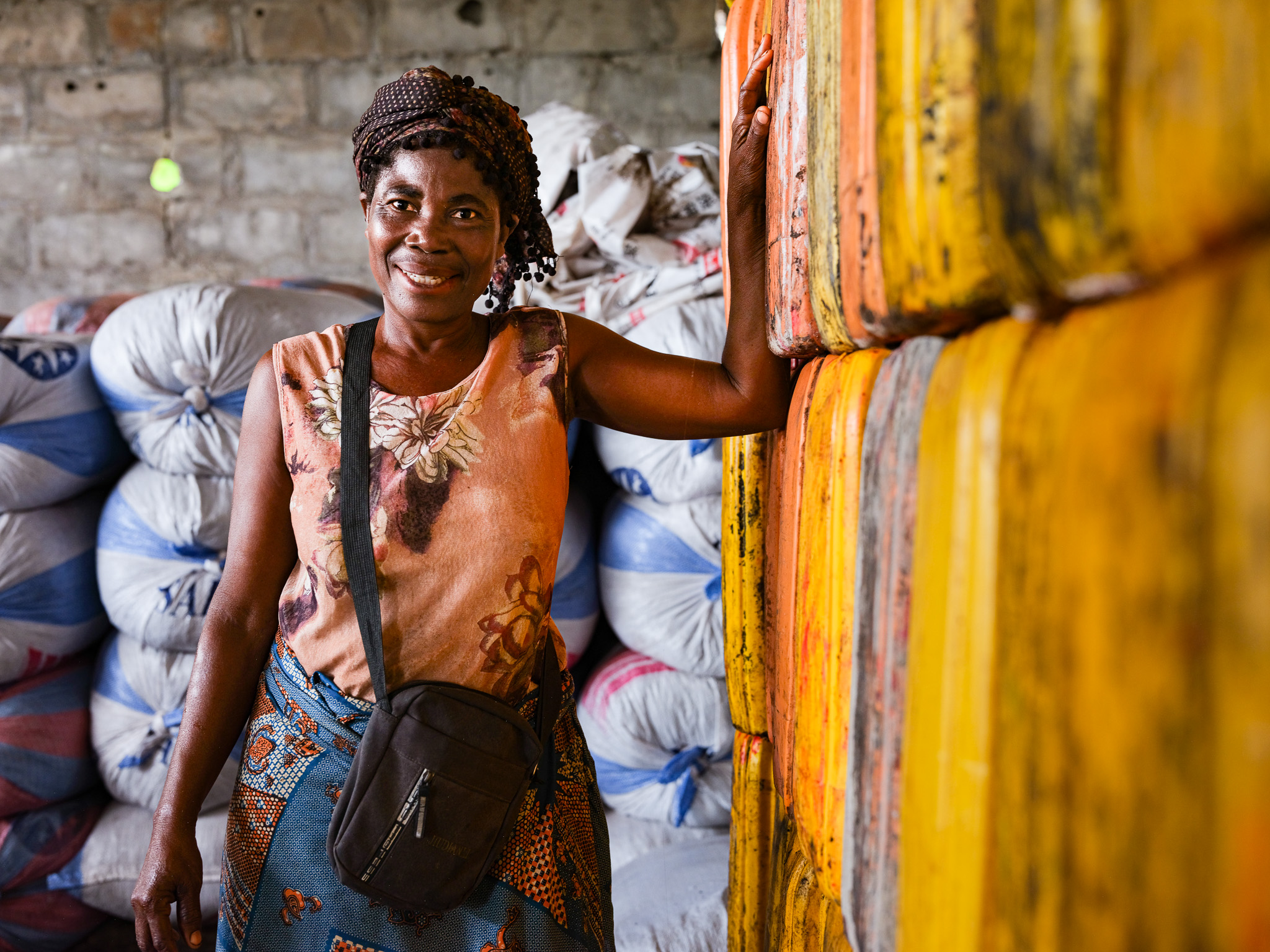
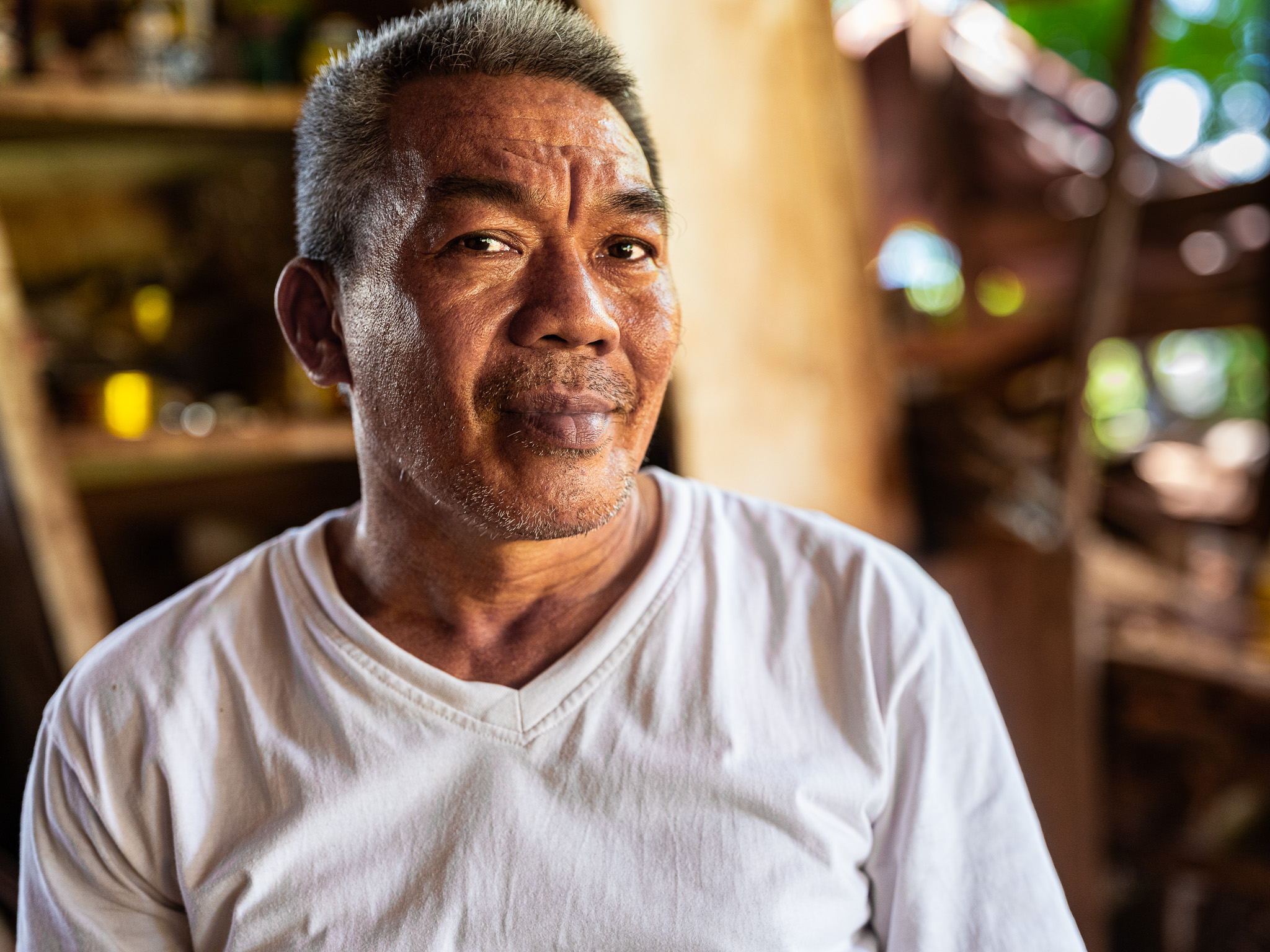
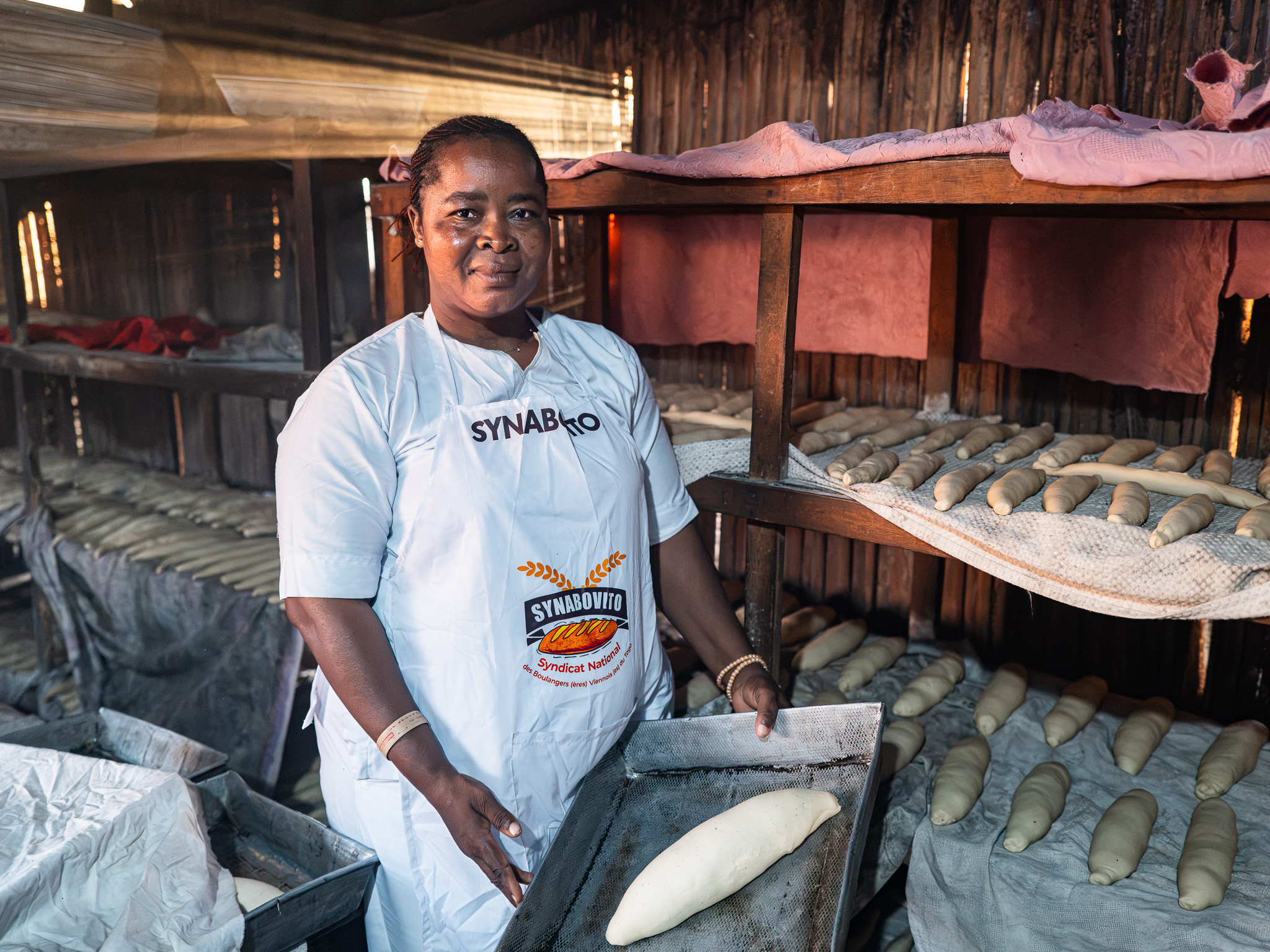
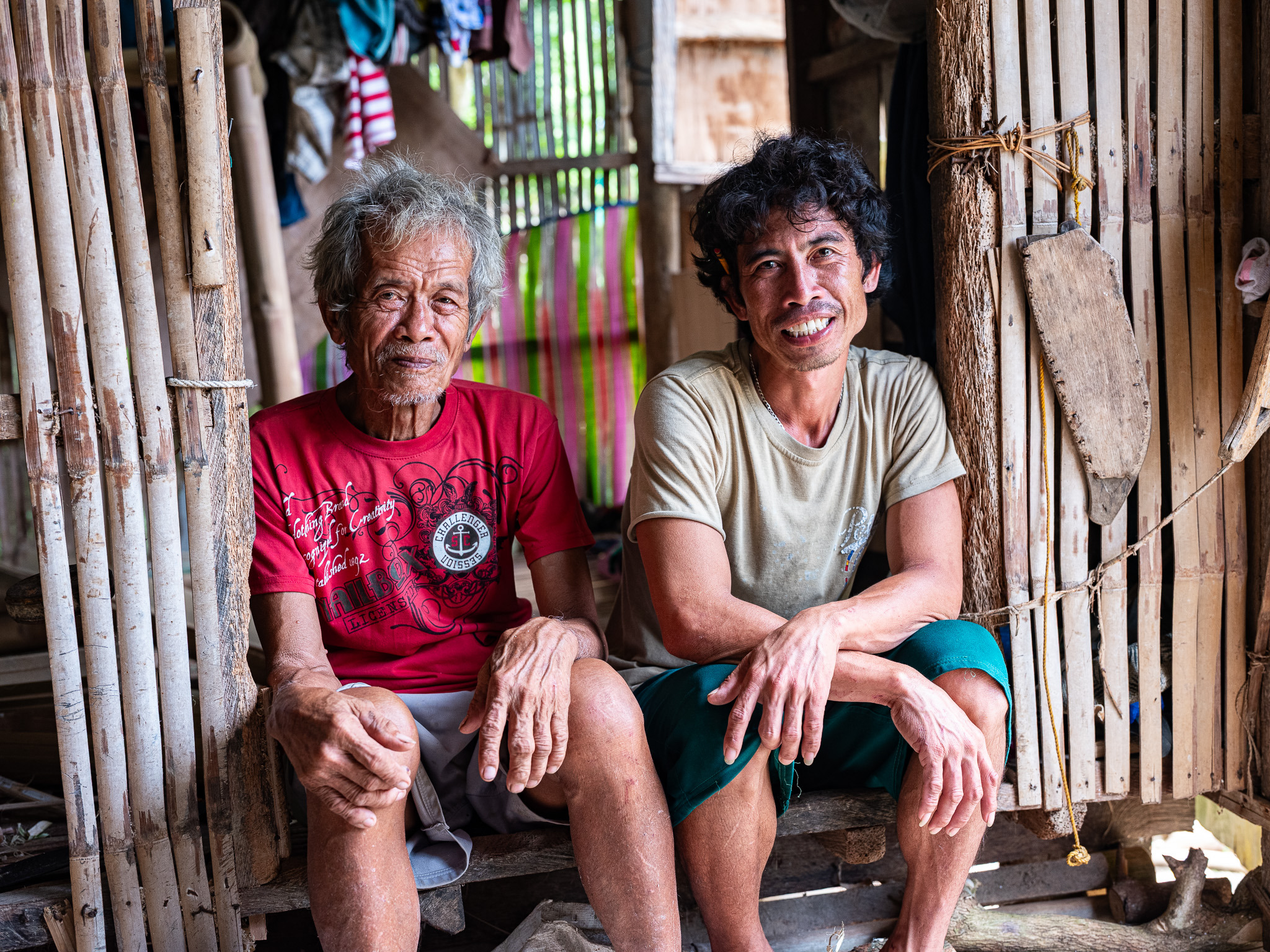
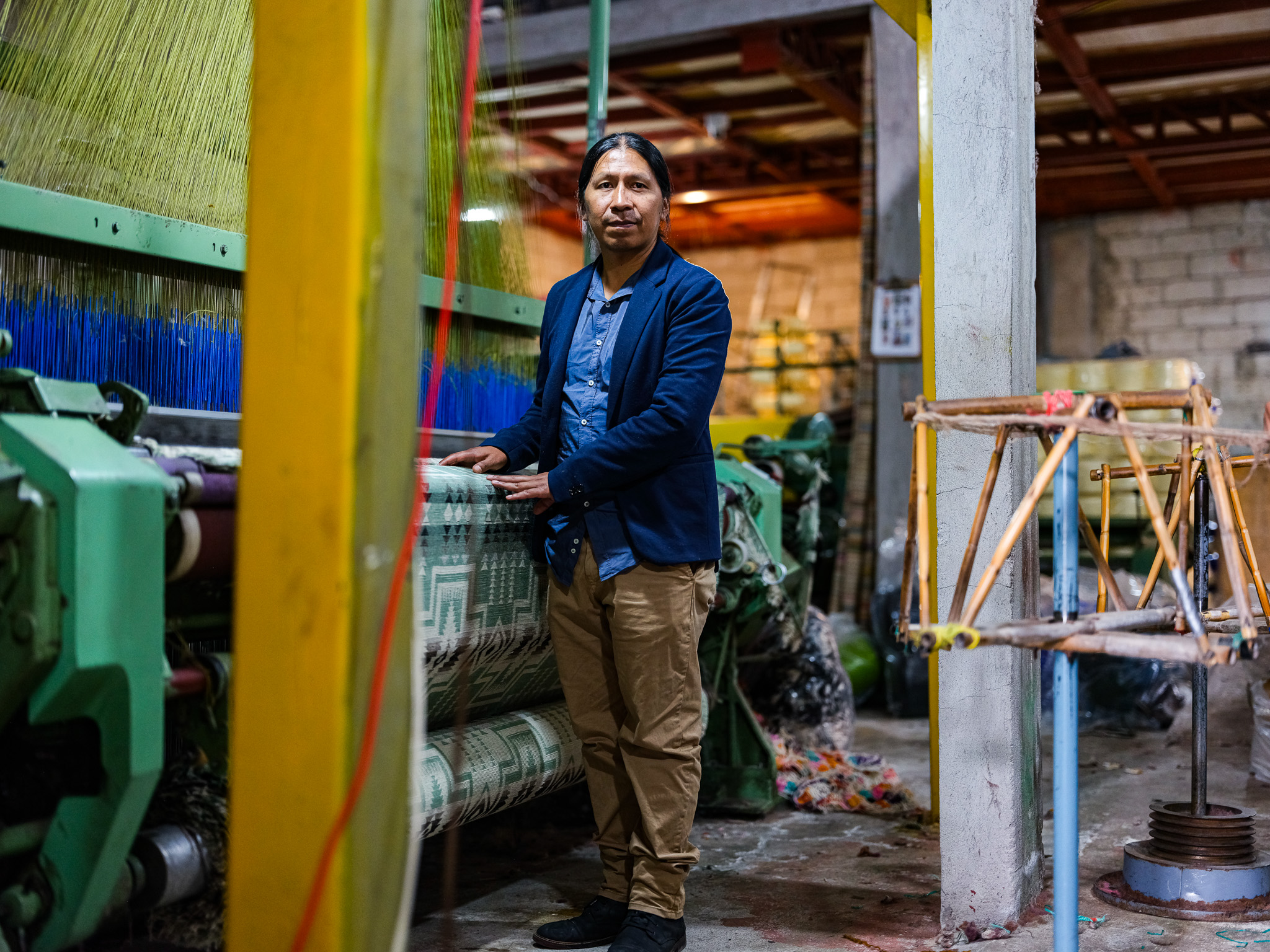
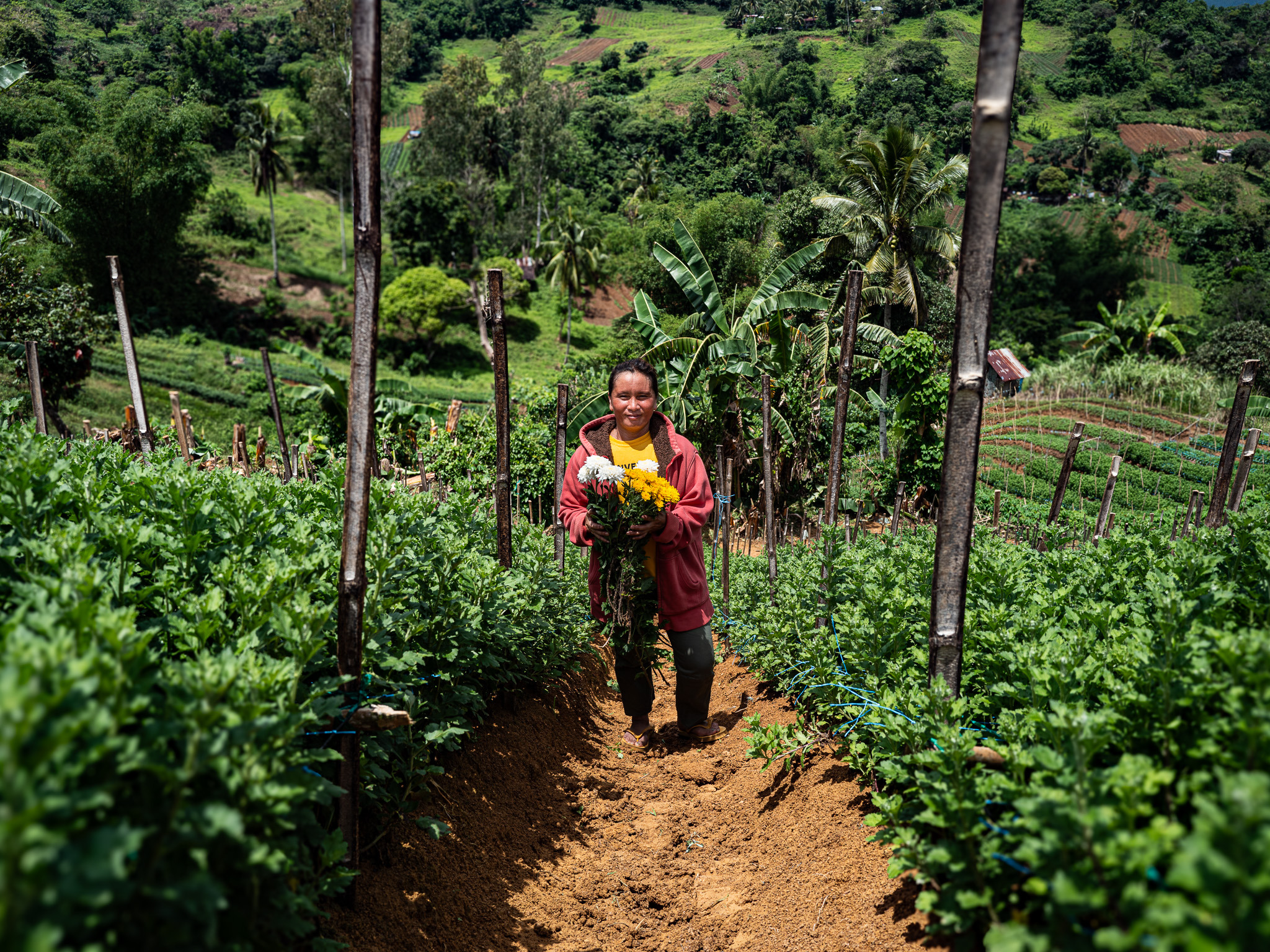
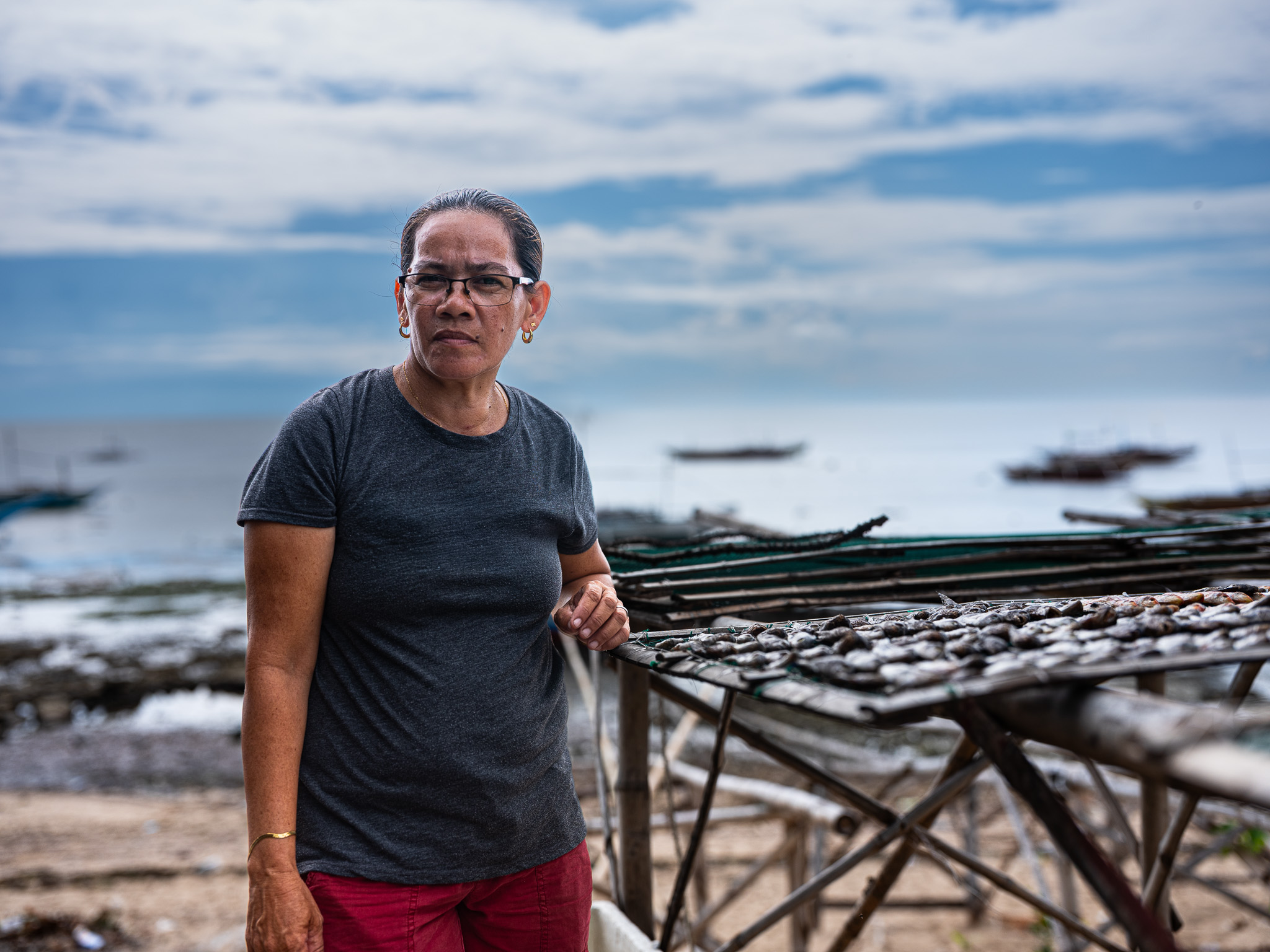
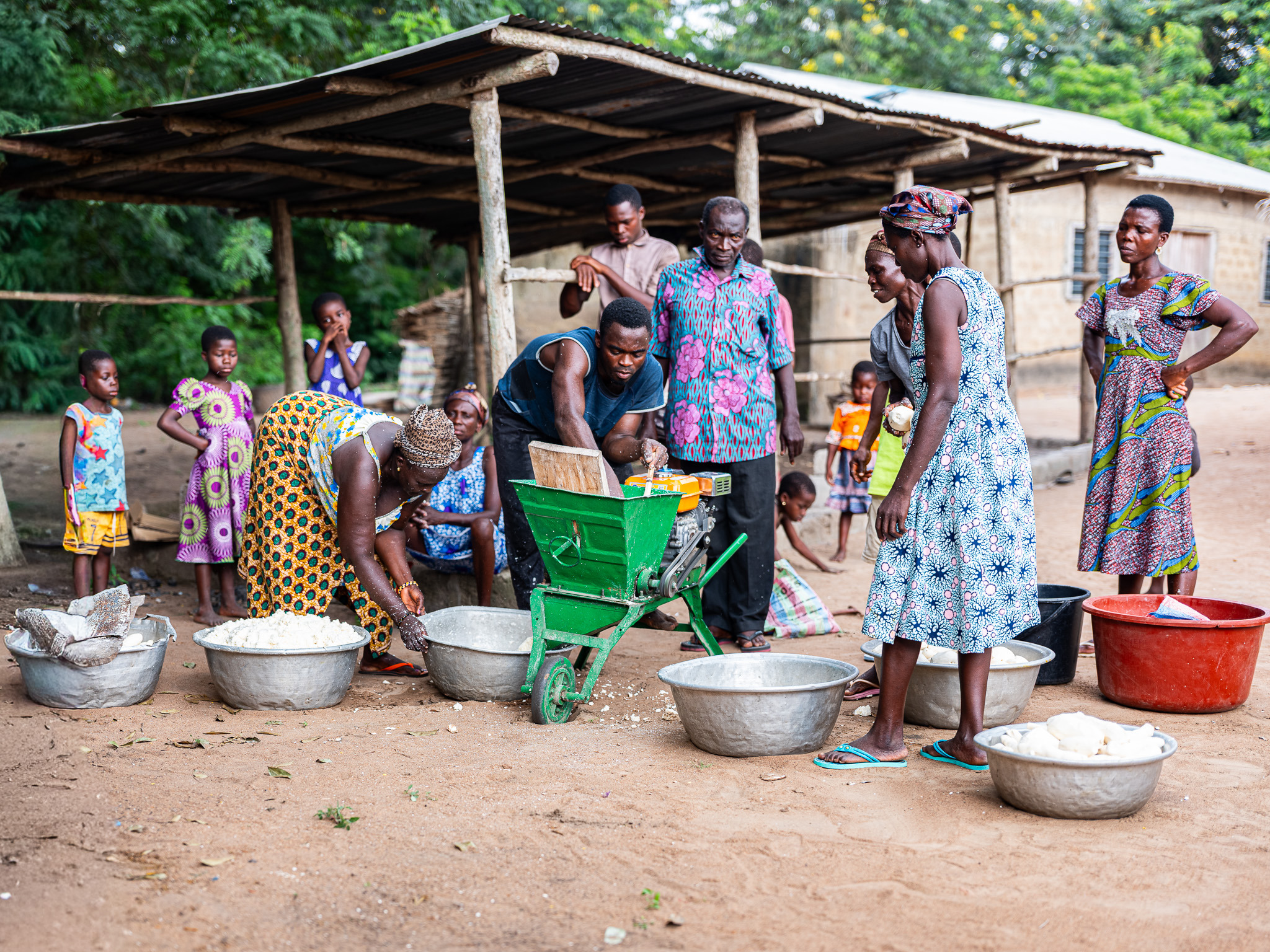
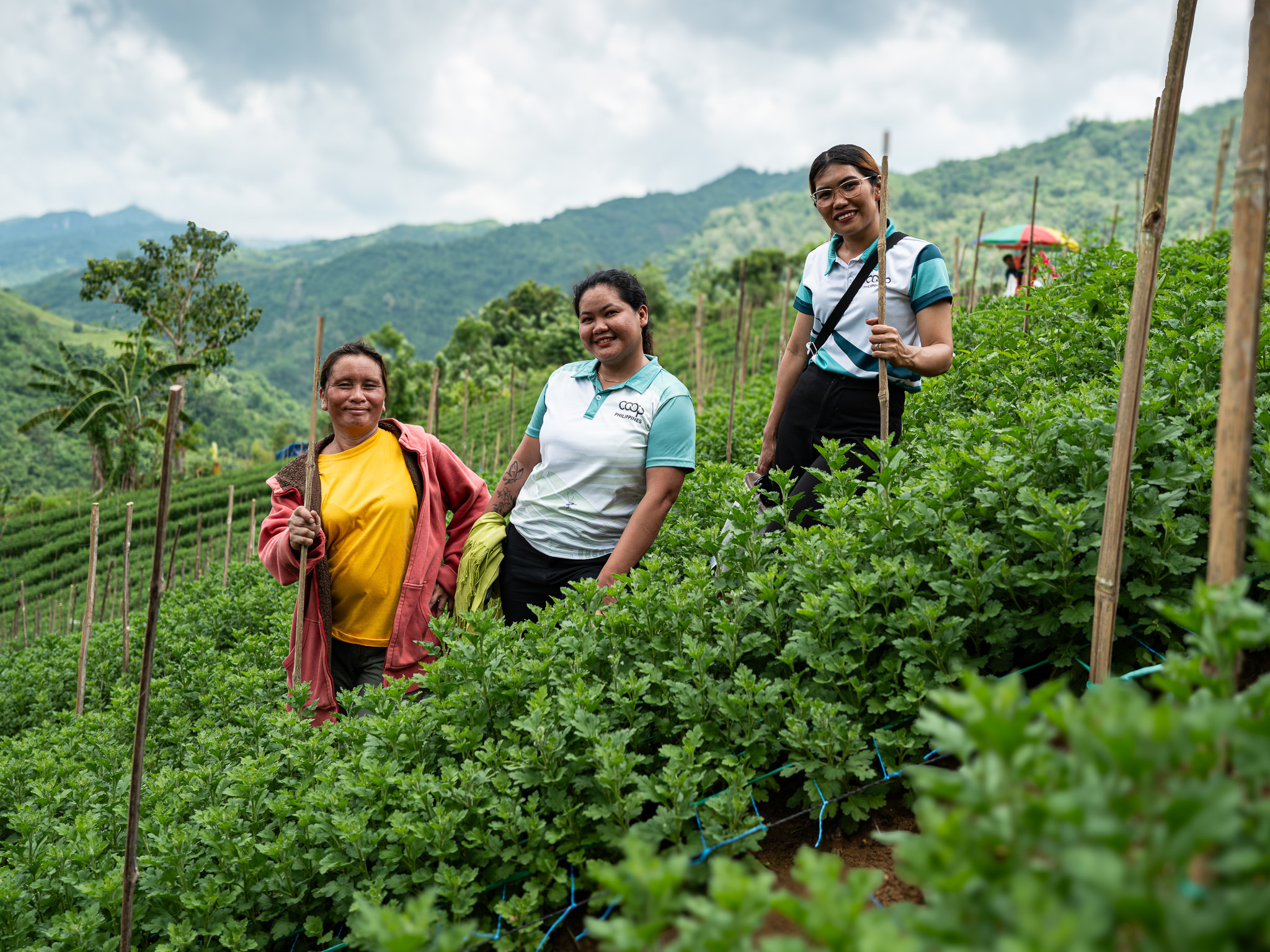
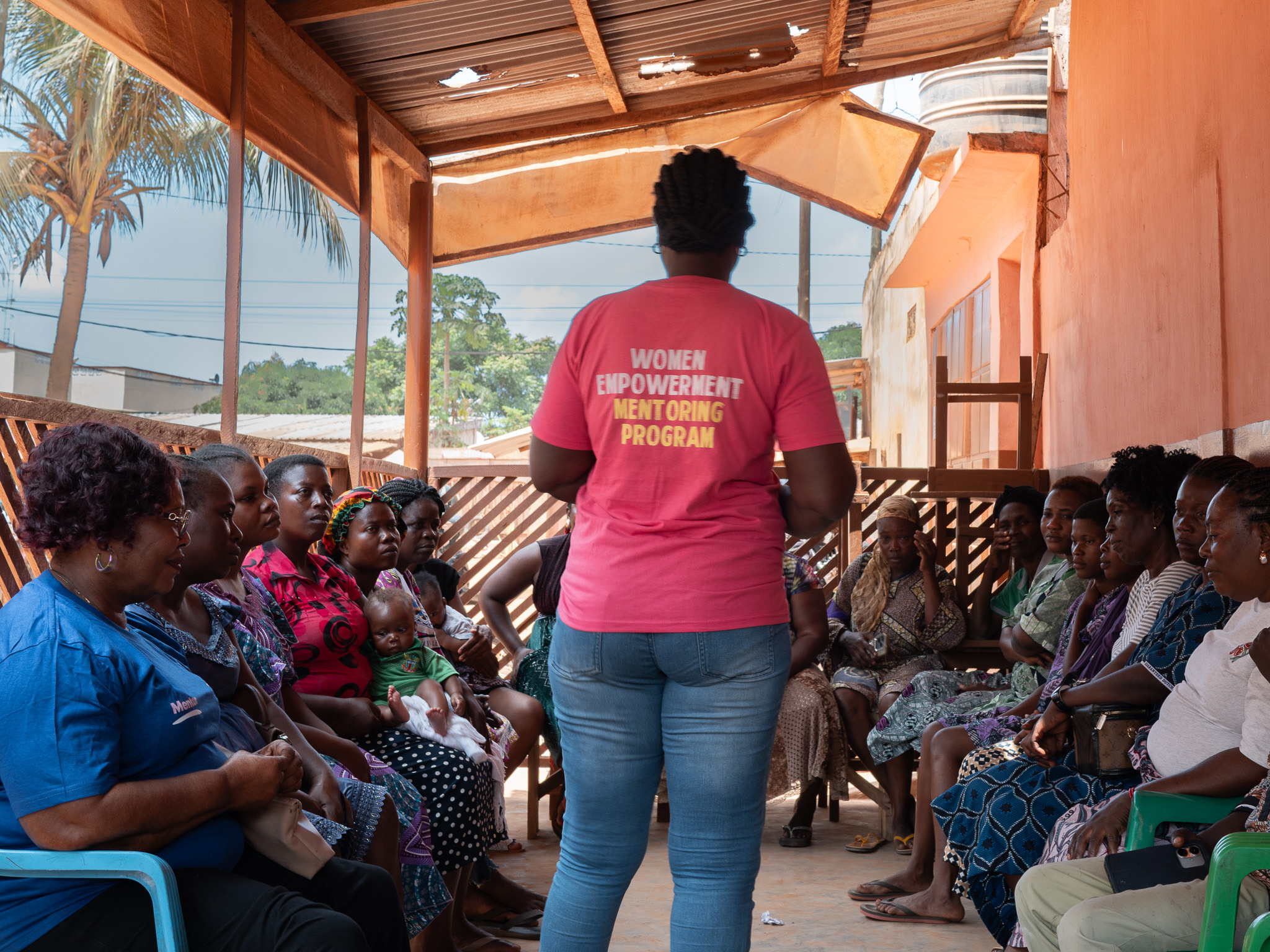
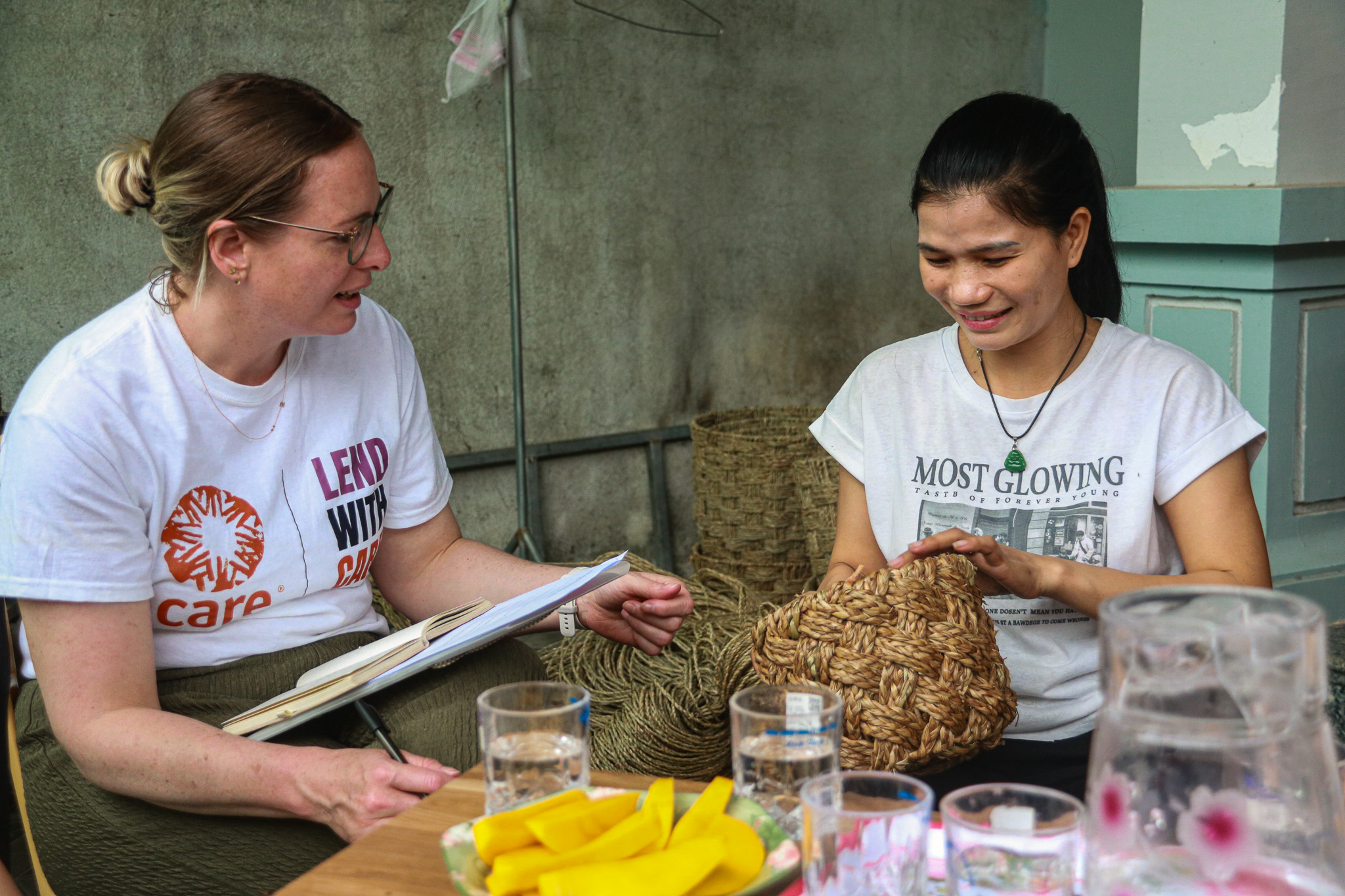
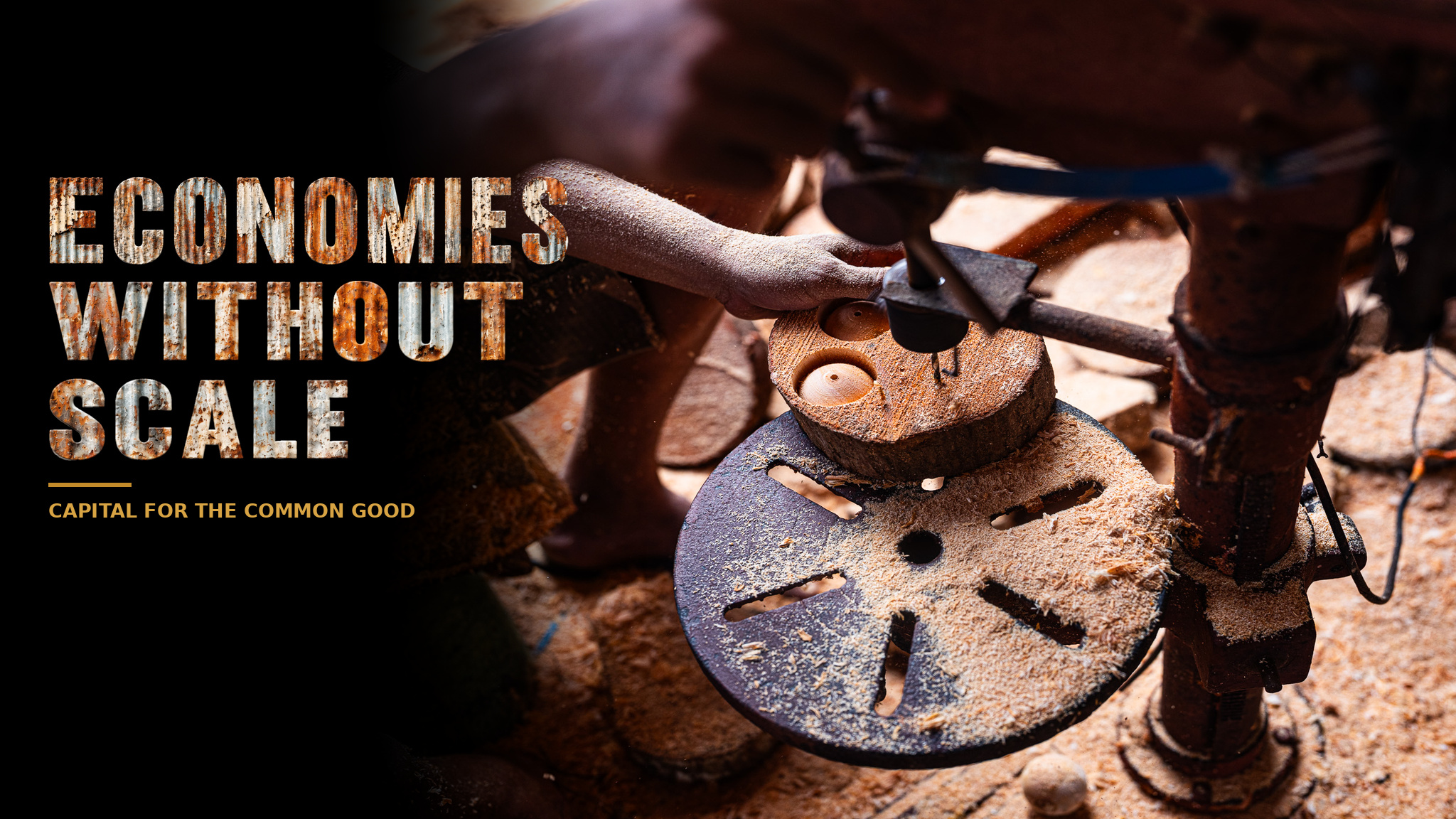
Economies Without Scale is a photographic exploration of small-scale entrepreneurs across three continents, viewed through the lens of microfinance. In the Philippines, Jerenel's bamboo furniture business allows him to remain close to his family, while Anna Marie and Jim transform discarded wood into jewelry to support theirs. In Togo, a village collective turns local resources into products for market. In Ecuador, Matico uses traditional Indigenous crafts to promote women's economic independence. Different cultures and circumstances, but a common ambition: to create better possibilities for themselves and those around them.
Microfinance was once promoted as a revolutionary solution to poverty but its track record has proved more nuanced. Small loans can expand opportunities for individual households but cannot overcome the structural inequalities that restrict economic mobility. This project does not present microfinance as a solution to poverty. Instead, it explores how the tools of capitalism might be redirected from extracting profit toward creating social benefit.
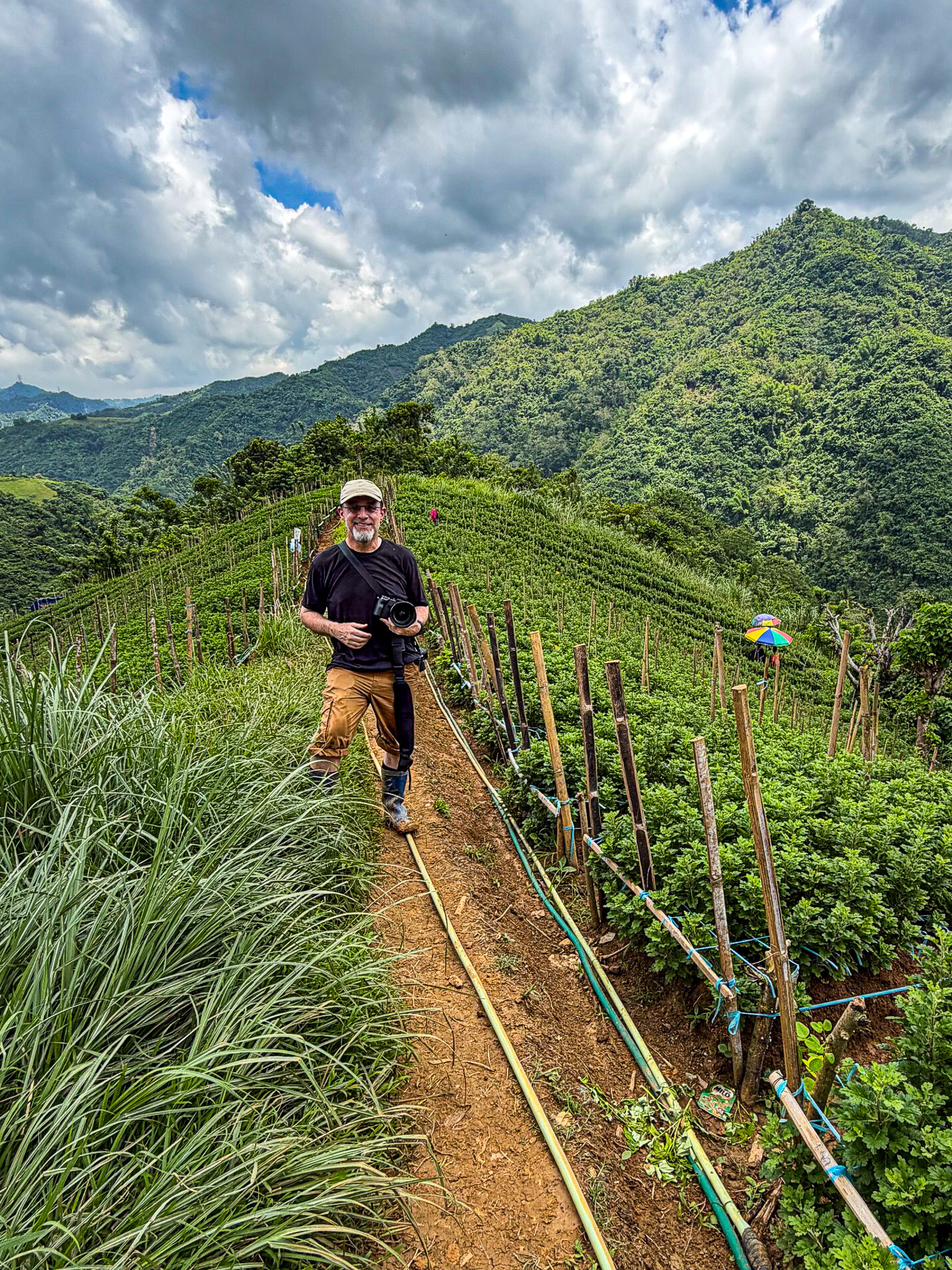
I began this project looking for stories about economics. What I found were stories about people. After 25 years of telling stories for corporations, Economies Without Scale offered an opportunity to redirect my experience toward something different: using photography to encourage empathy, challenge assumptions and, hopefully, give something back to the organizations and communities that welcomed me and provided invaluable assistance in creating the work.