Economies Without Scale← Back to project
Members of La Grâce d’Akpuivé gathered around processing equipment in the villagePhoto 12 · DSCF7792-2

Profile 14 · Ando-Akpuivé, Togo

La Grâce d’AkpuivéA Day in the Life of a Village Collective

Cassava · Palm oil · Honey · Collective enterprise

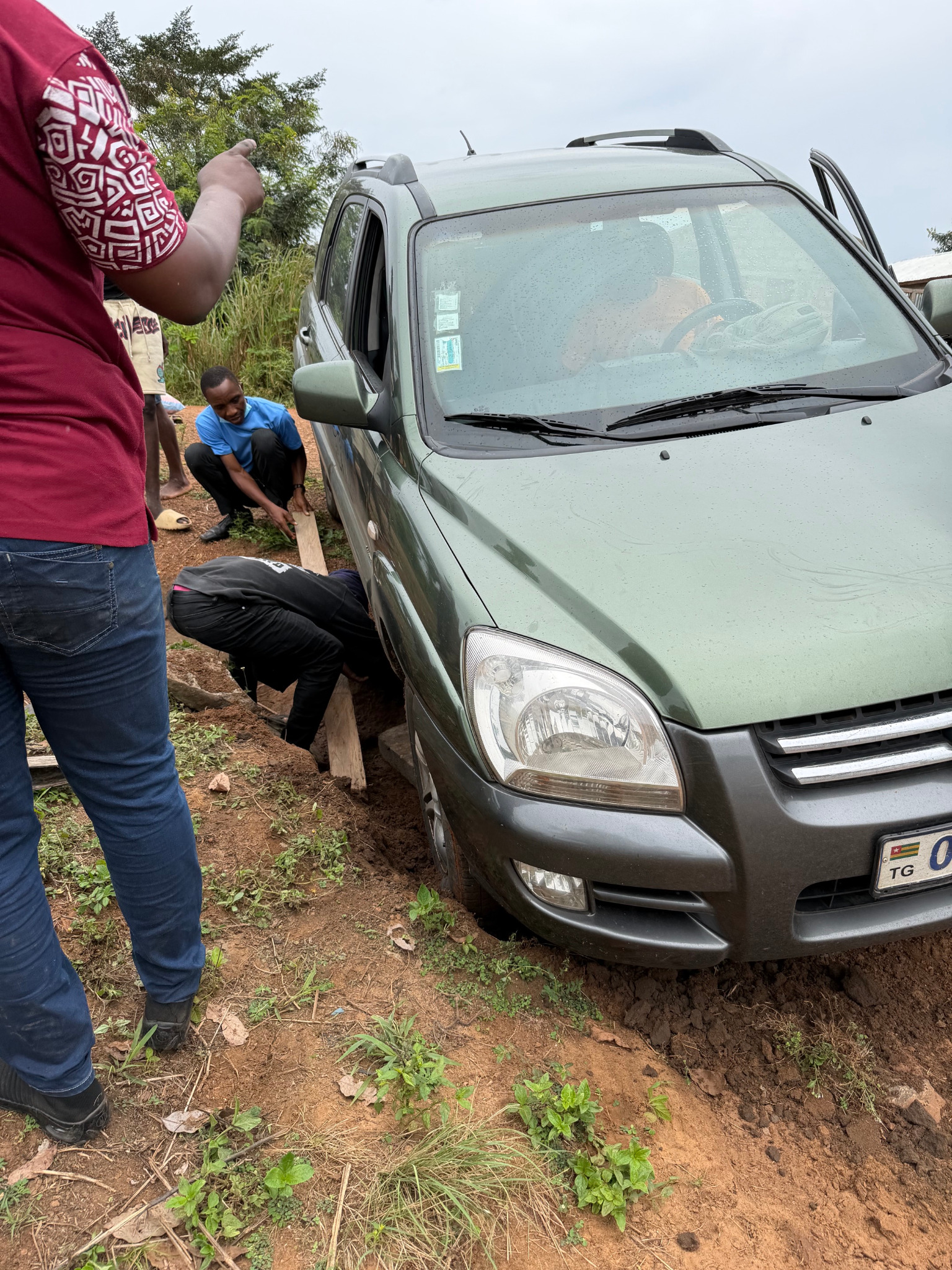
A vehicle negotiating the deeply rutted road to Ando-Akpuivé
Photo 17 · IMG_2480

A Day in Ando-Akpuivé

The road to Ando-Akpuivé is only a few miles long, but reaching the village is a journey in and of itself. Deep ruts and uneven terrain make travel difficult, contributing to the isolation of this small community of approximately 100 people. With few opportunities for employment nearby, earning a living requires resourcefulness.

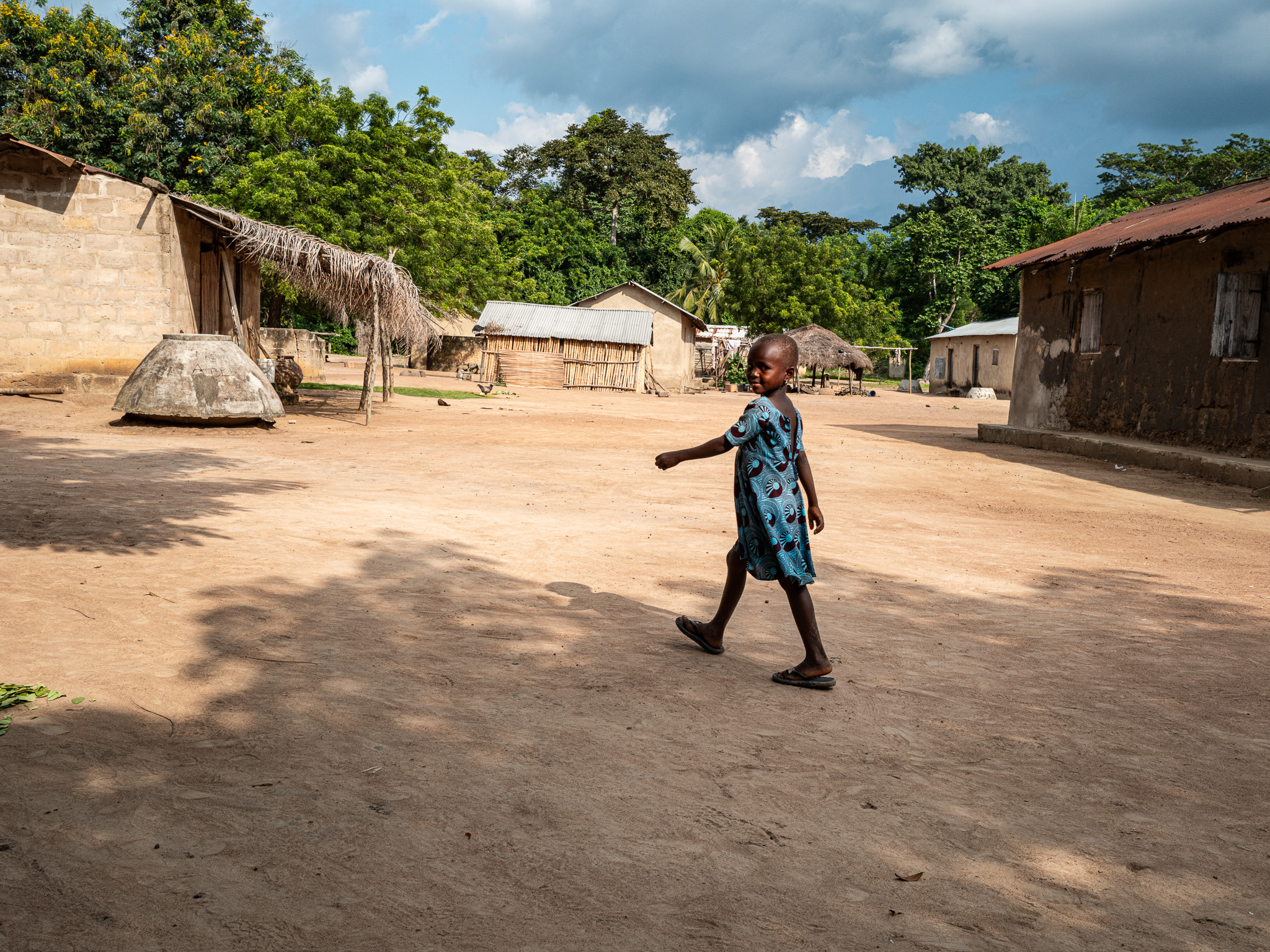
A child crossing the open centre of the village
Photo 22 · L1033654
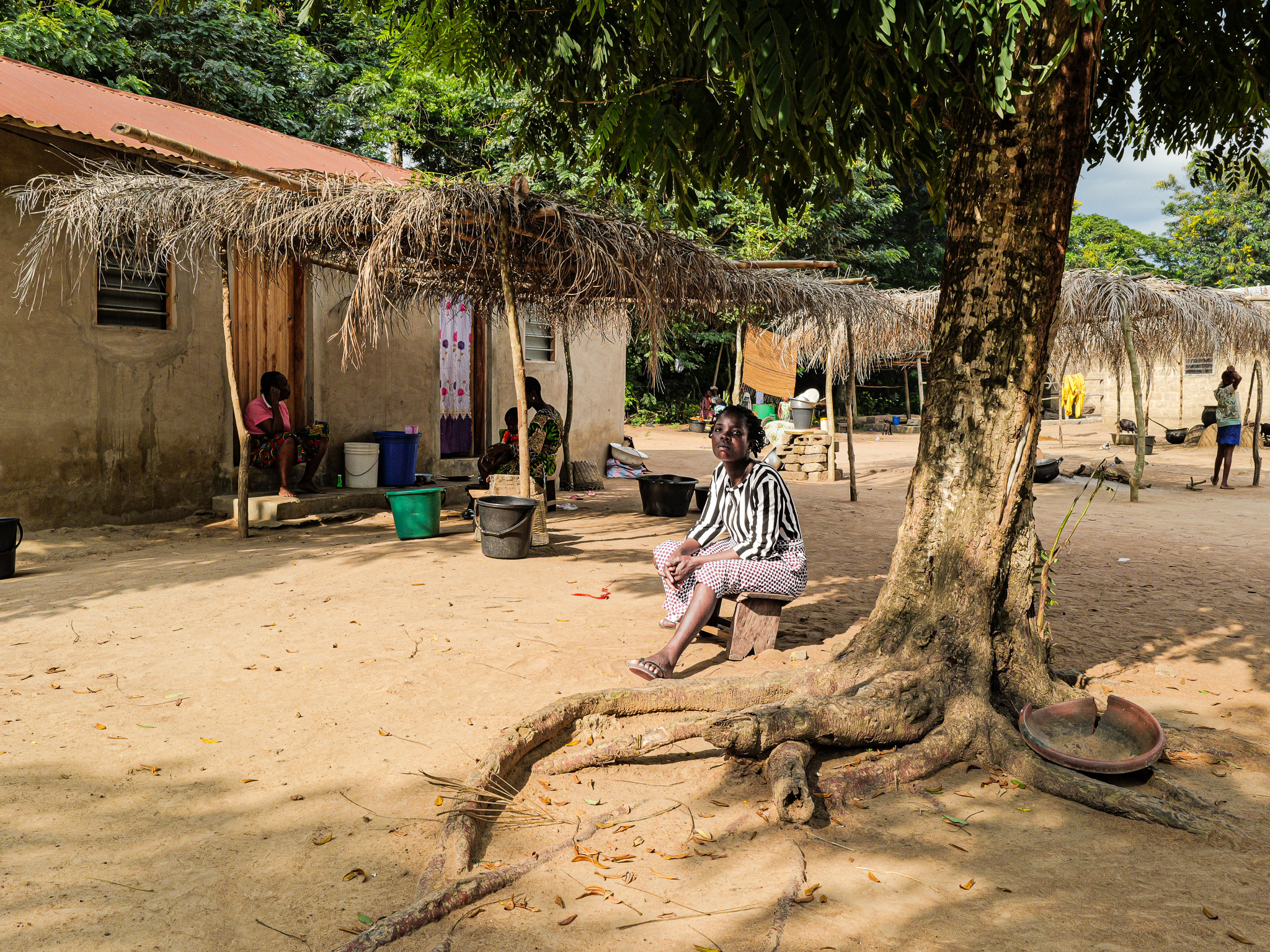
A woman seated beneath a tree among the village homes
Photo 23 · L1033656-2
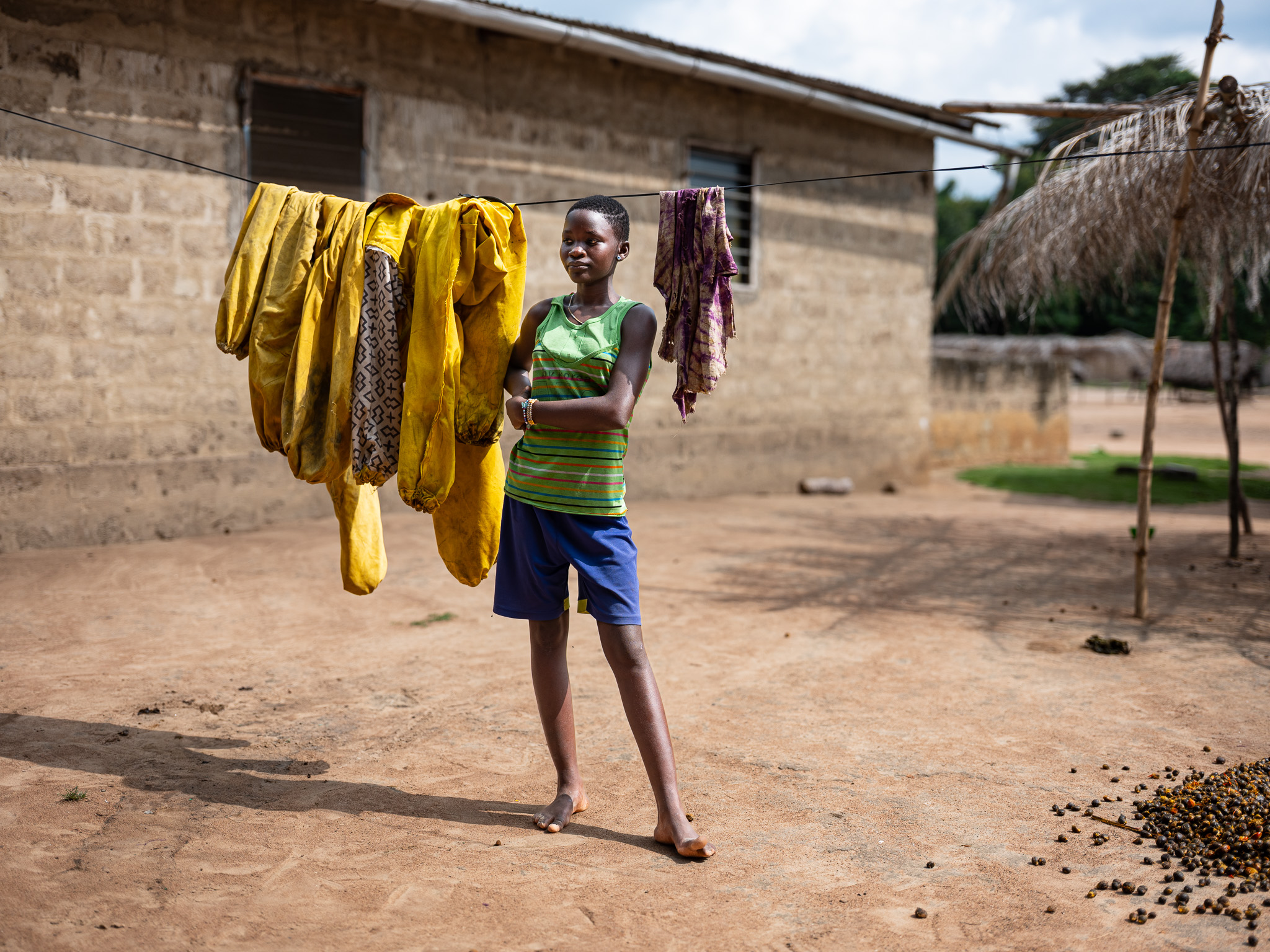
A young villager walking between homes in Ando-Akpuivé
Photo 09 · DSCF7745
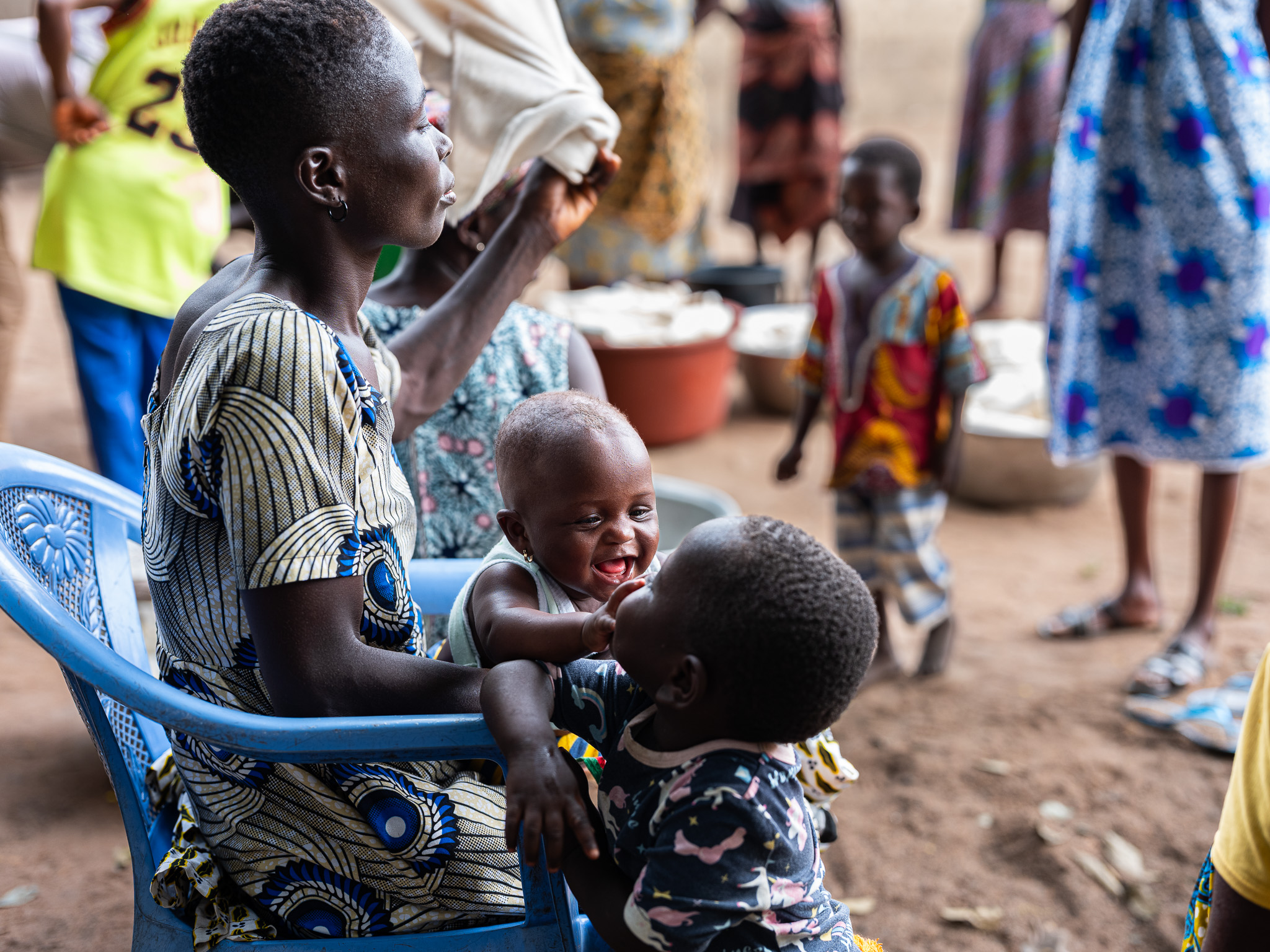
Children and family life beside the collective’s work
Photo 07 · DSCF7706
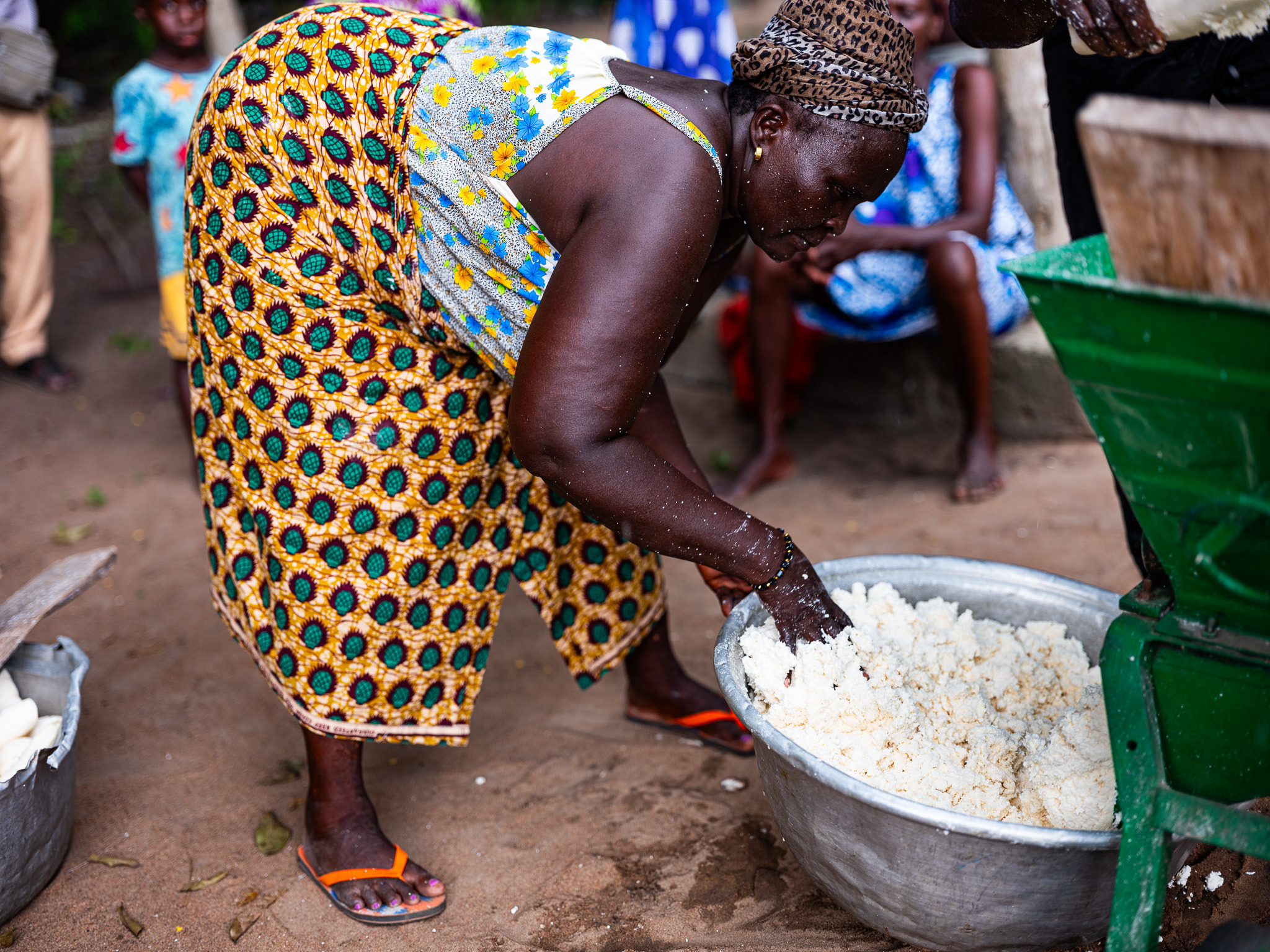
A collective member processing cassava into gari
Photo 11 · DSCF7772

Cassava, palm nuts and honey

Fifteen villagers have formed a cooperative called SCOOPS LA GRÂCE D’AKPUIVE, working together to develop three small enterprises using resources readily available in their surrounding including cassava roots, palm nuts, and bees. Each offers an opportunity to turn what the land provides into a product that can generate income.

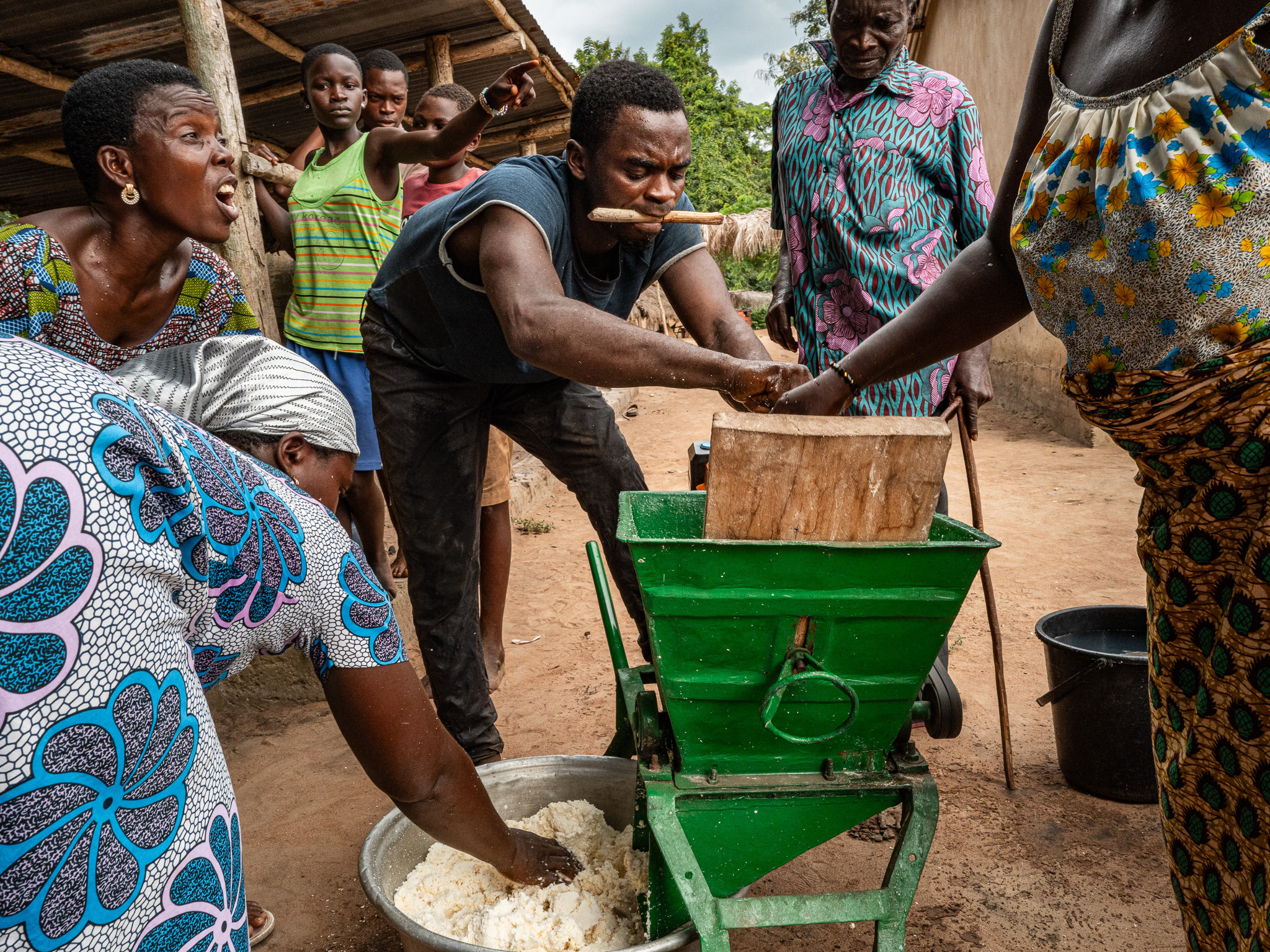
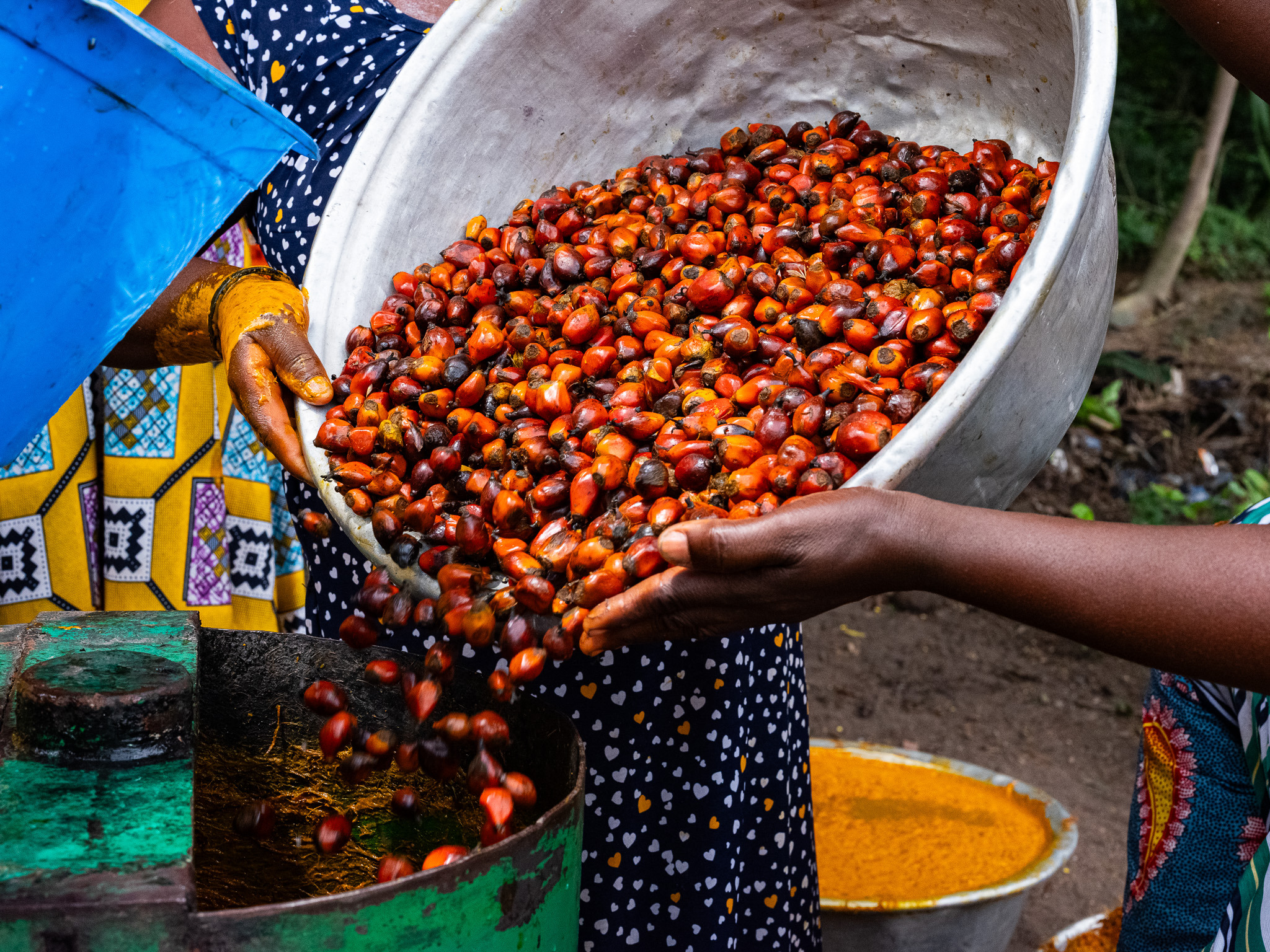
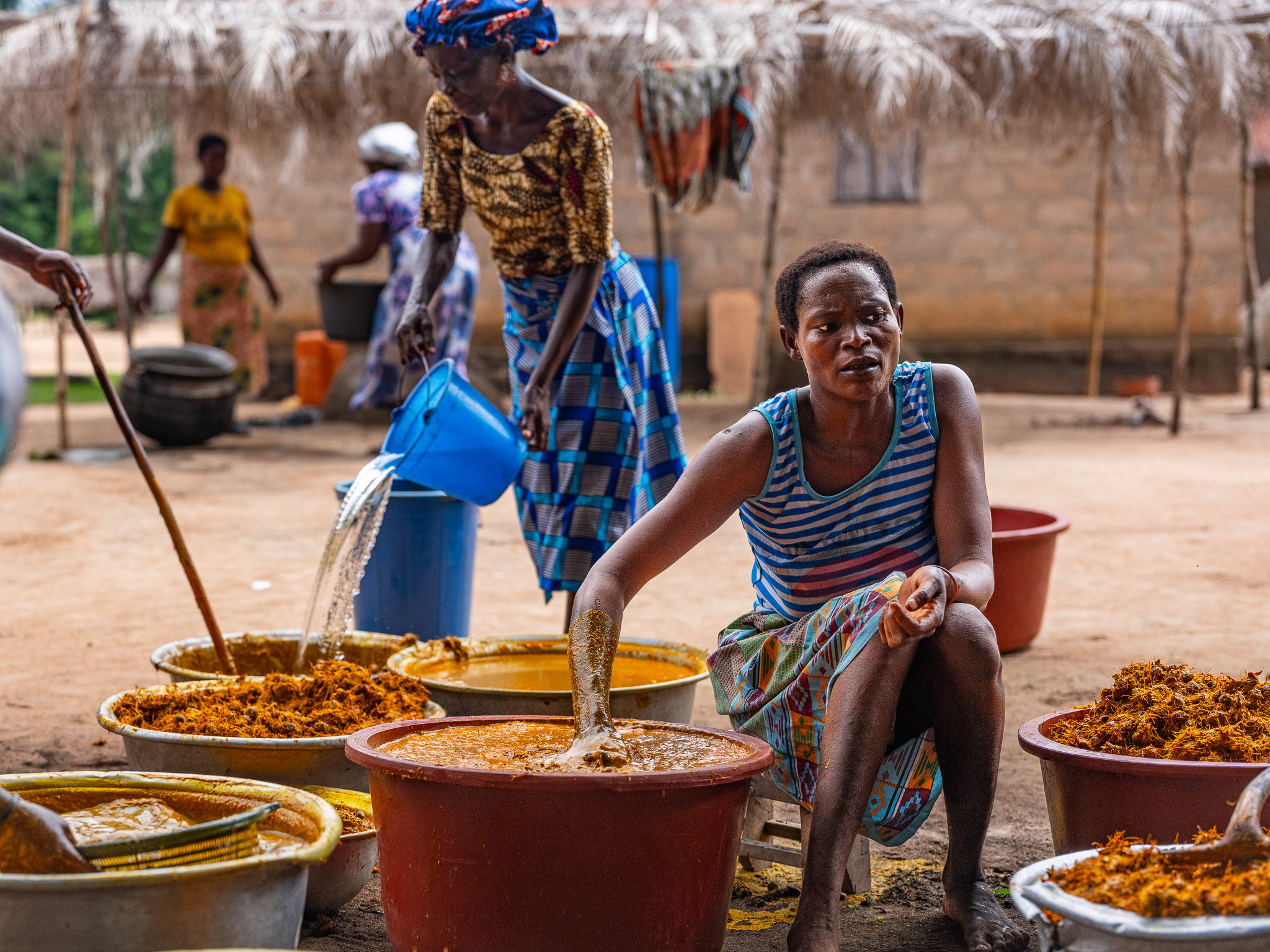
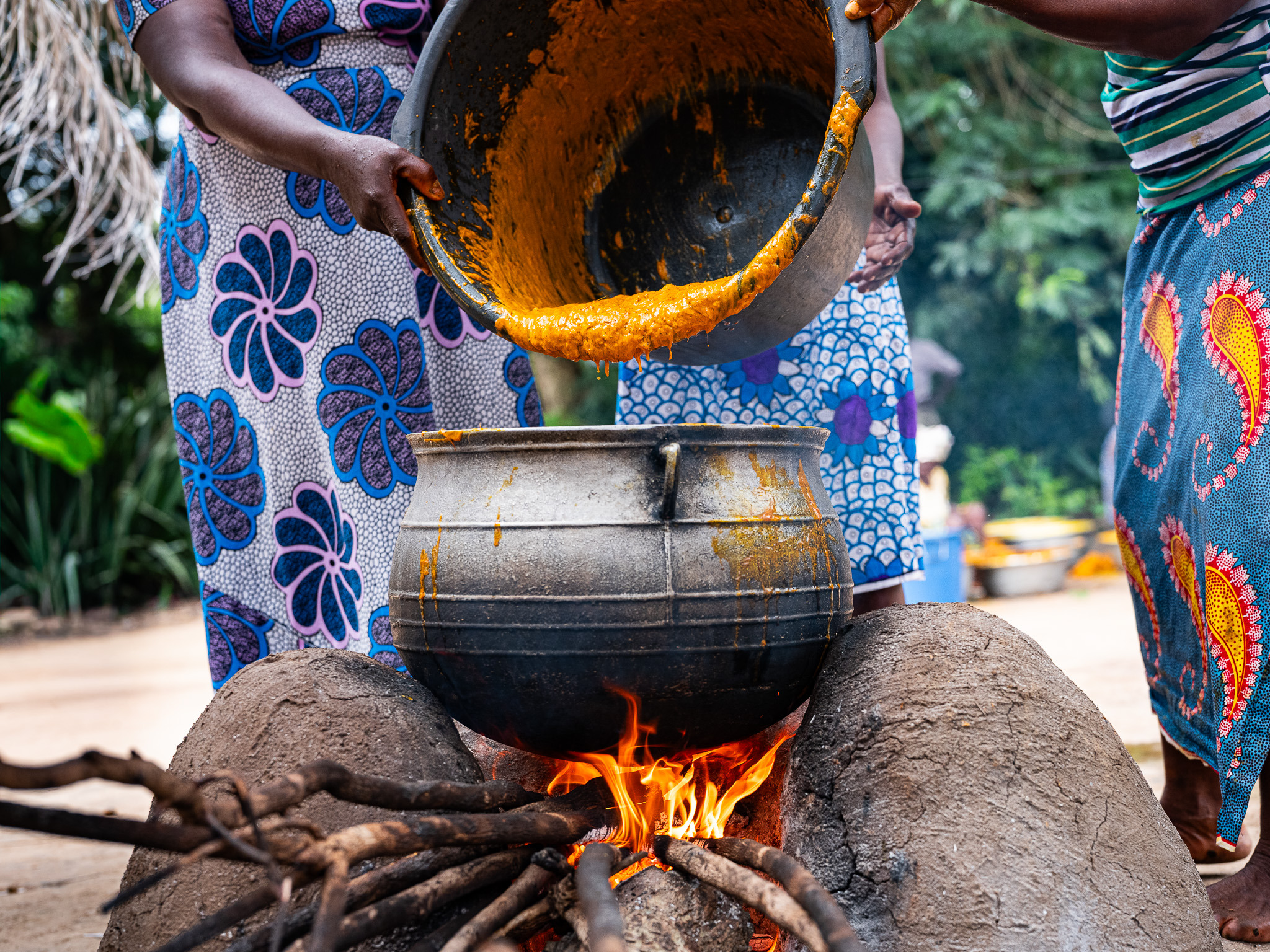
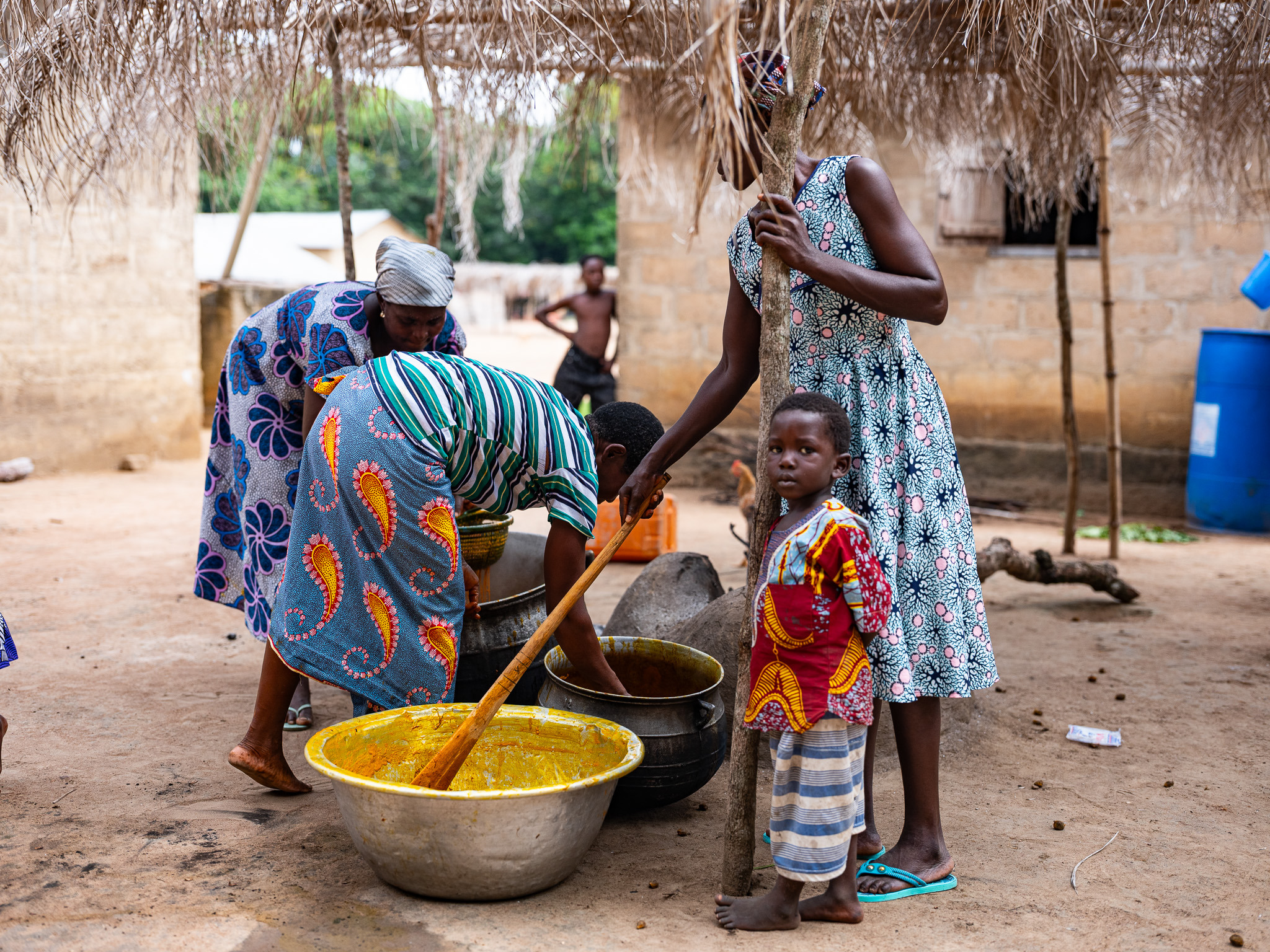
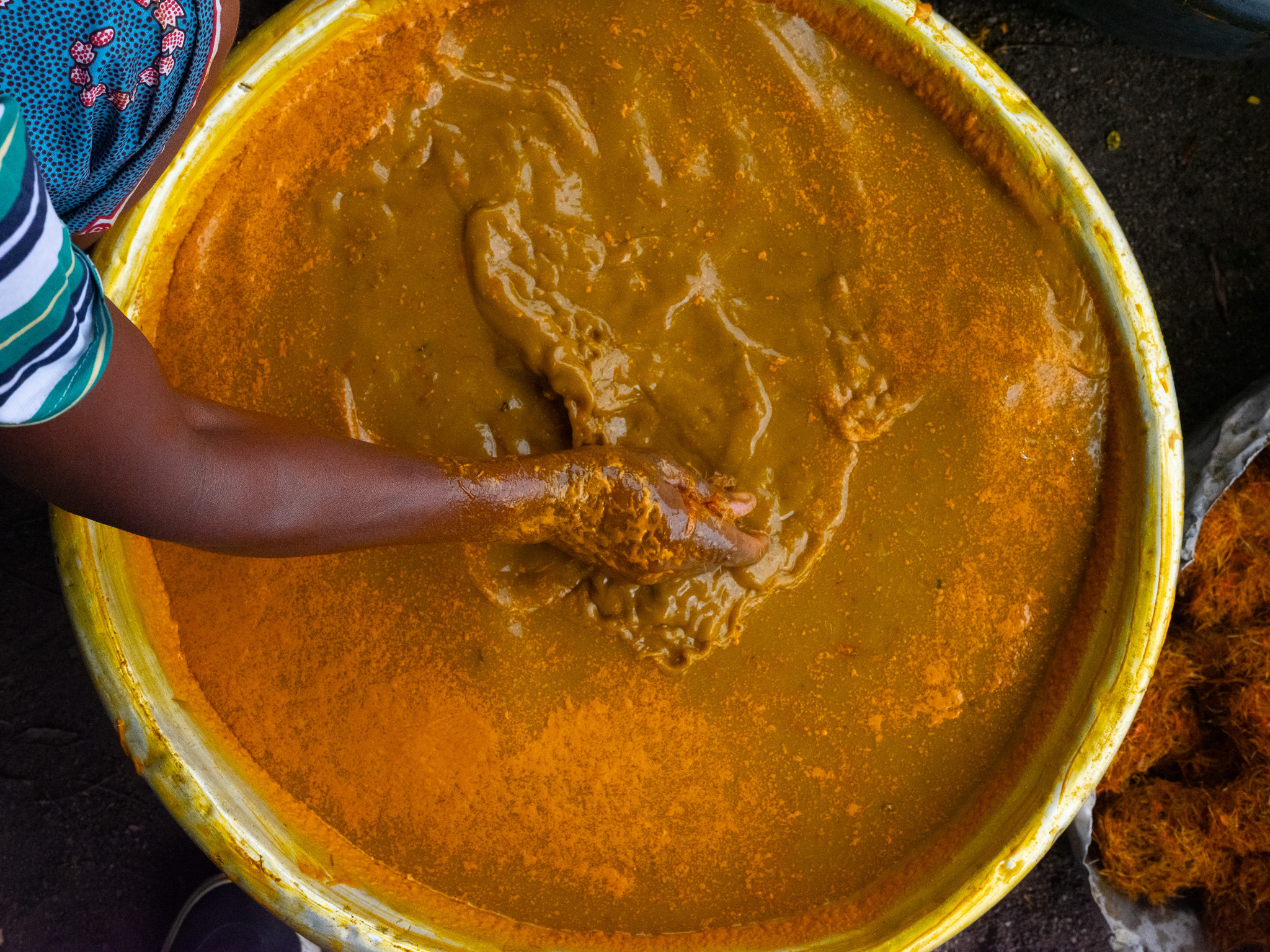
Cassava roots are harvested, peeled, and processed into gari, a granular food staple widely consumed throughout West Africa. Palm nuts are processed to extract their distinctive red oil, an important ingredient in local cooking. Both activities require considerable physical labor, although processing equipment has helped the collective increase production and reduce some of the manual work. A third enterprise involves maintaining beehives and harvesting honey, providing another source of income for the members.
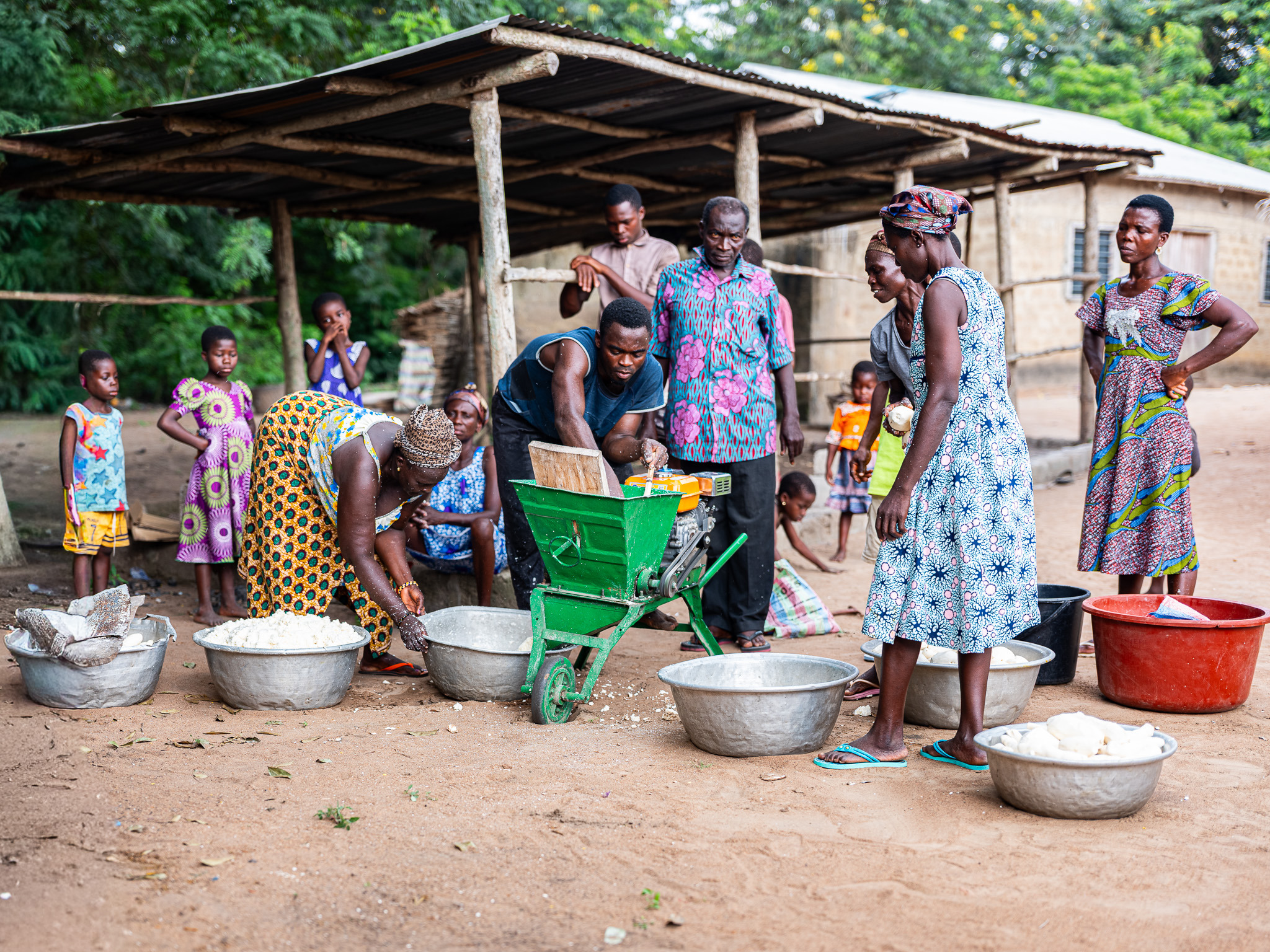
Collective members feeding cassava into gari processing machinery
Photo 19 · L1033540
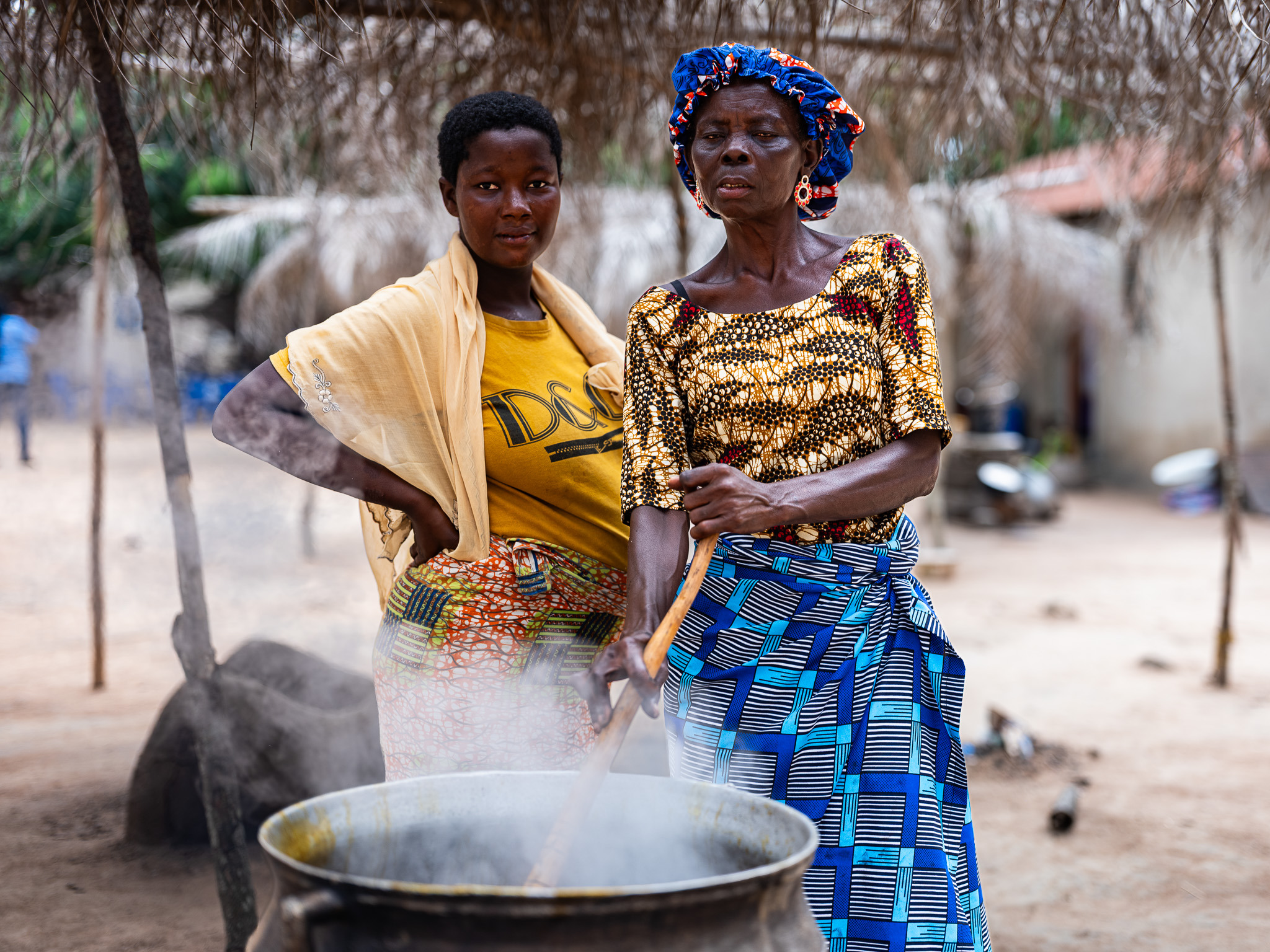
Two collective members beside a steaming pot
Photo 10 · DSCF7759-2
Fresh palm nuts held above the processing area
Photo 01 · DSCF7409
Collective members working together to process palm fruit
Photo 04 · DSCF7505-4

Red oil

The three activities are different, but together they demonstrate the resourcefulness of the villagers. Rather than relying on a single crop or business, the cooperative has developed several ways to earn money using what is already available to them.

Palm oil production in Ando-Akpuivé
Photo 08 · DSCF7990
Palm oil being poured into a pot over an open fire
Photo 05 · DSCF7634
Collective work continuing beside children in the village
Photo 06 · DSCF7683-2
Palm fruit being worked by hand in a basin
Photo 02 · DSCF7458

Three small economies

The processing machines were acquired through an earlier development project, but equipment alone was not enough to sustain and expand production. The collective subsequently received a loan of approximately £600 through IADES and Lendwithcare to strengthen its activities. The loan has since been fully repaid.

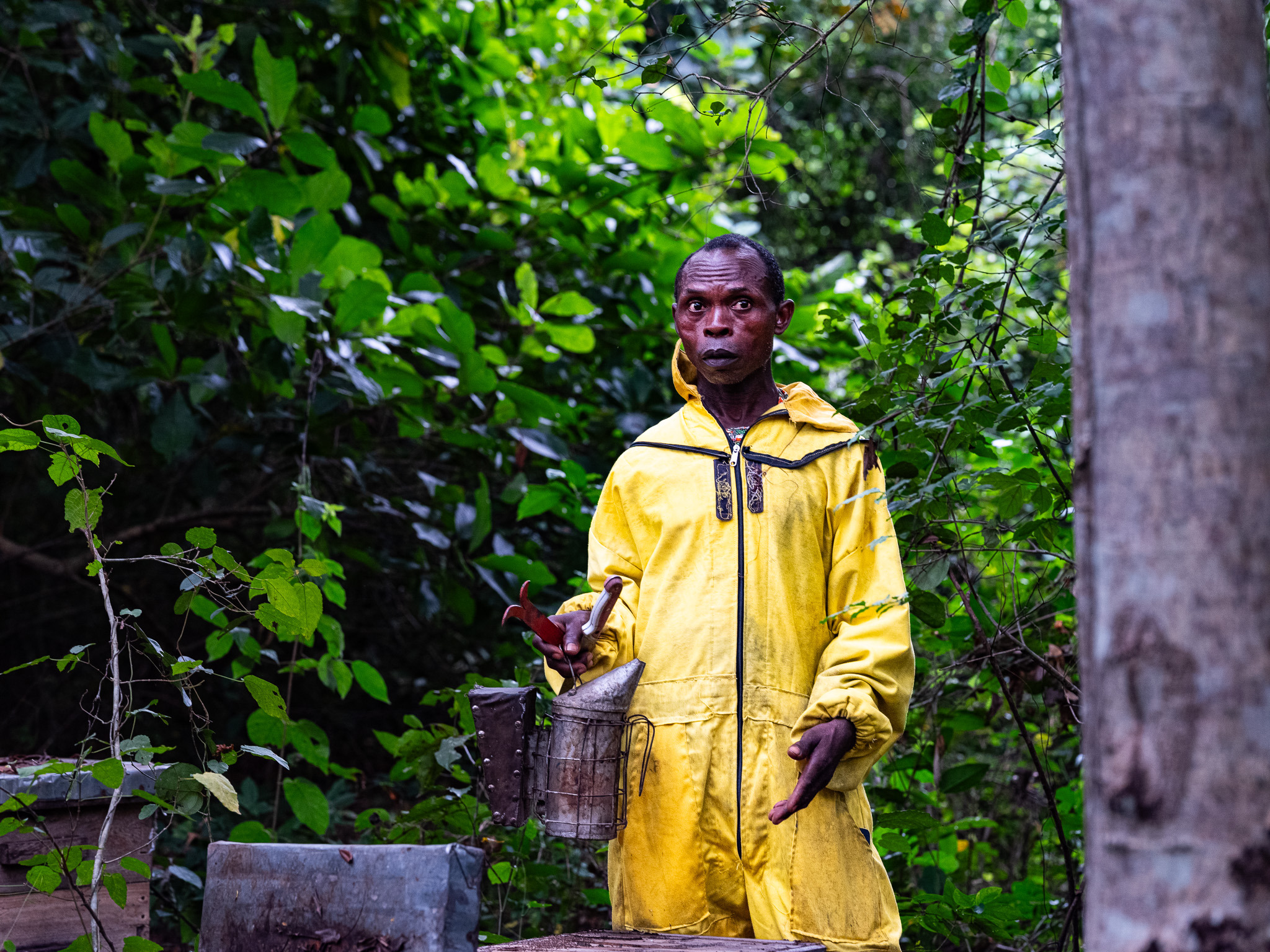
A beekeeper standing beside the village hives
Photo 14 · DSCF7803

Then there are the bees

Members report that the additional capital has helped increase production and generate more income. Their plans now include expanding processing capacity to better meet demand for their products.

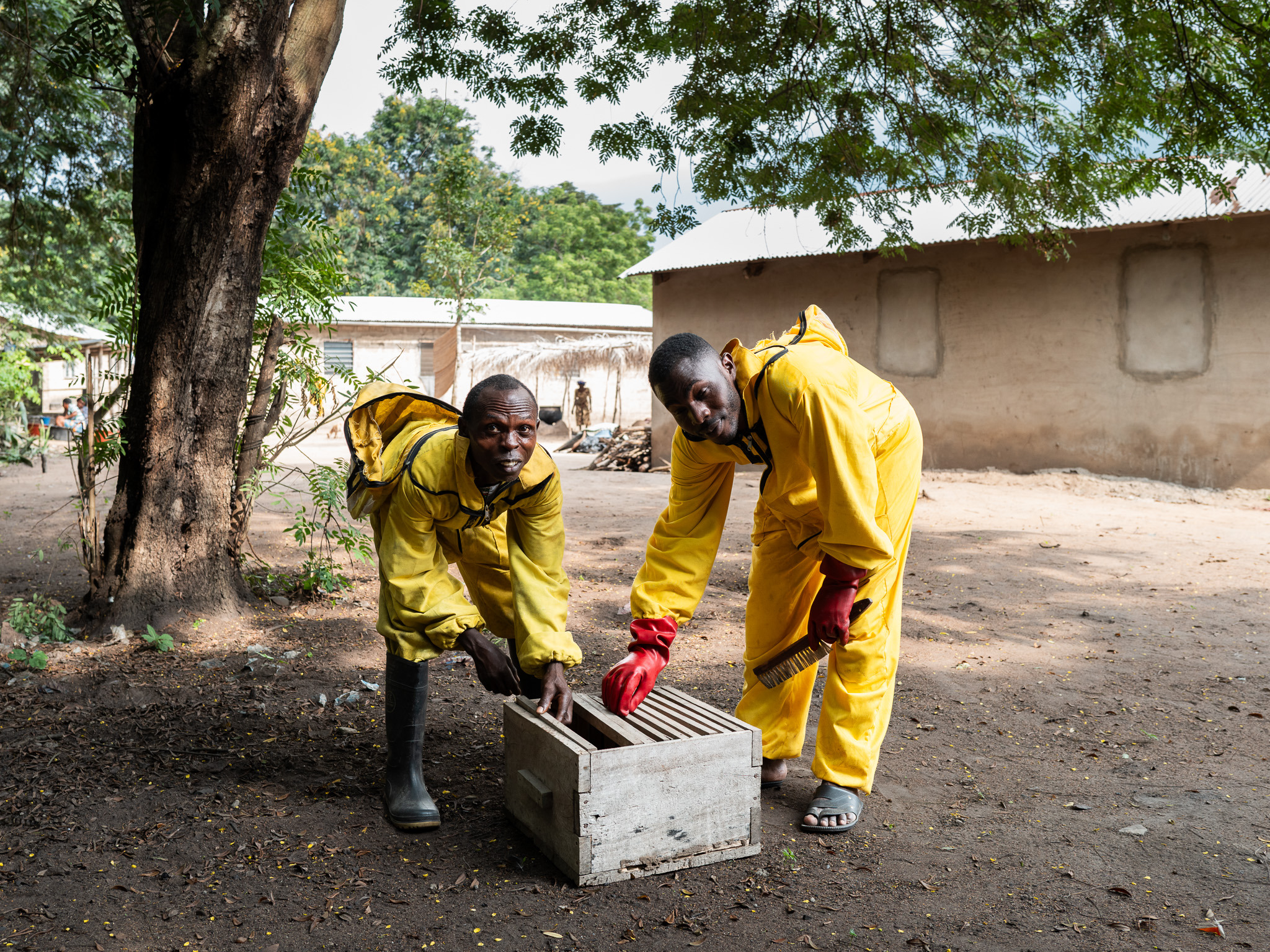
Two beekeepers in yellow protective suits carrying a wooden hive box
Photo 18 · L1033643
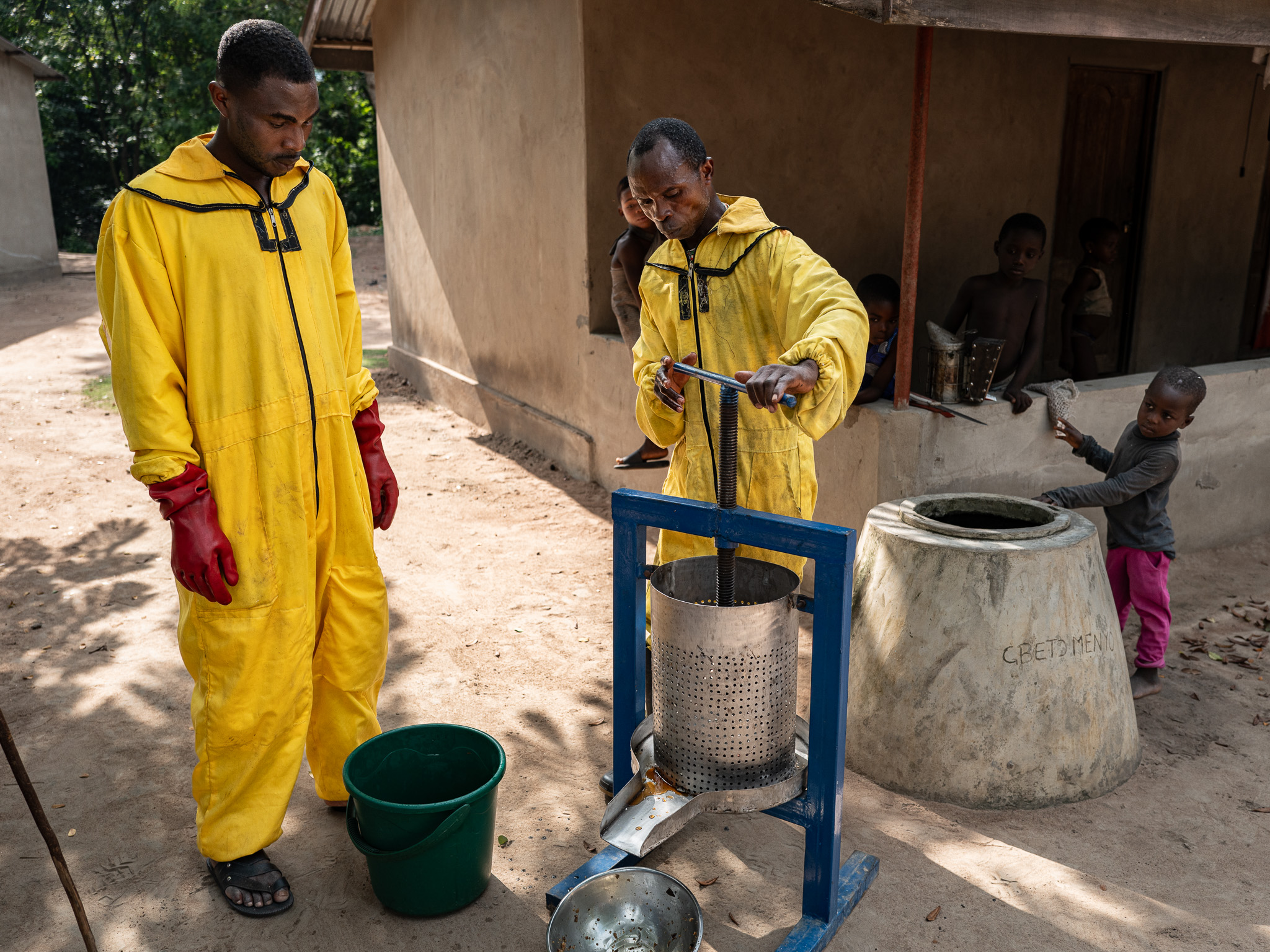
Beekeepers in yellow protective suits working with honey extraction equipment
Photo 20 · L1033621
Honey dripping from the collection equipment
Photo 15 · DSCF7824
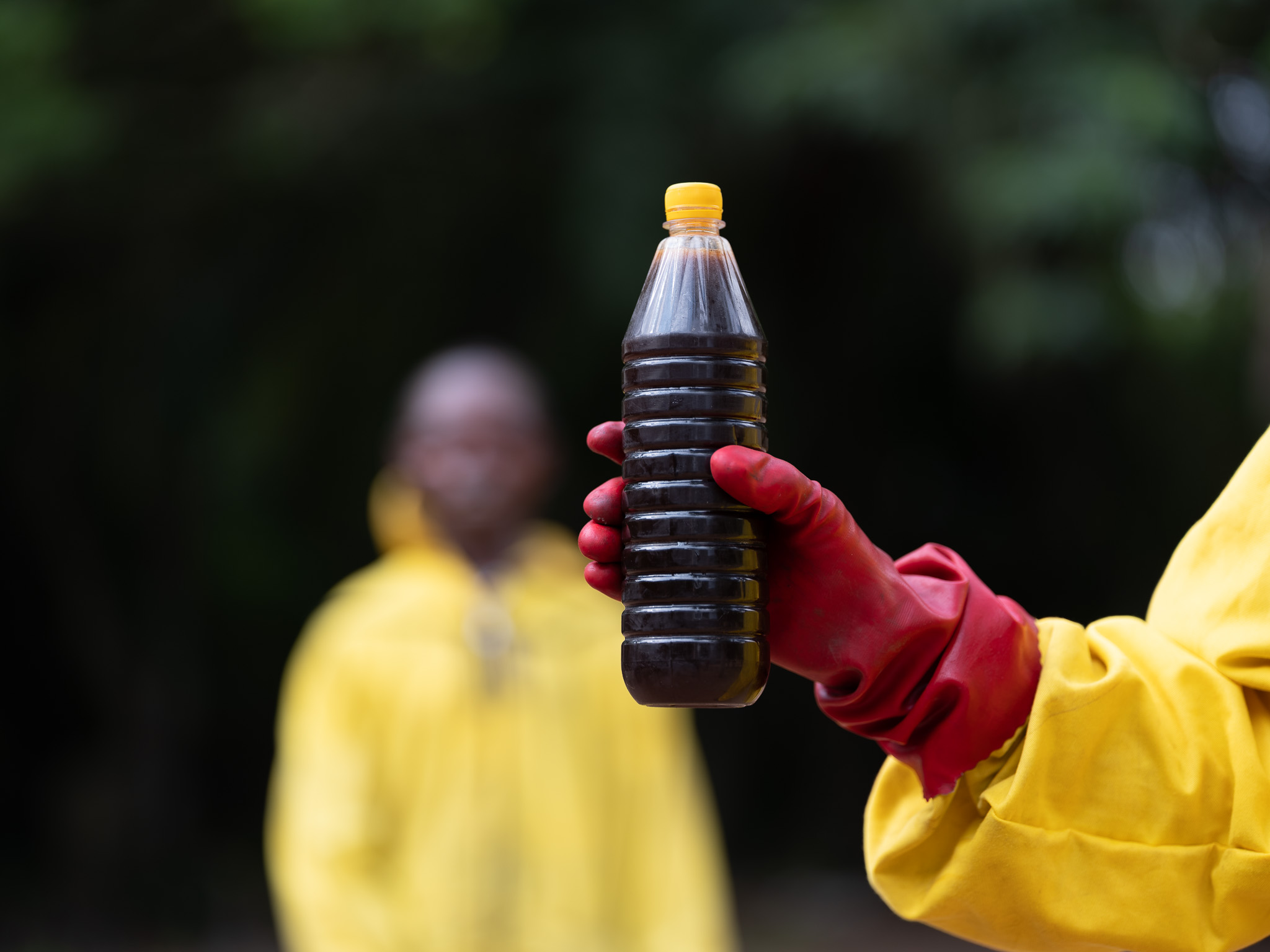
A beekeeper presenting a bottle of dark village honey
Photo 16 · DSCF7859

Creating opportunity together

The road to Ando-Akpuivé remains difficult, and its isolation continues to limit opportunities for employment. Yet the members of the collective have found ways to create their own work, combining local resources with shared effort to build livelihoods for themselves and their families. Their businesses are modest in scale, but access to small-scale capital represents an opportunity that might not otherwise exist.