Economies Without Scale← Back to project
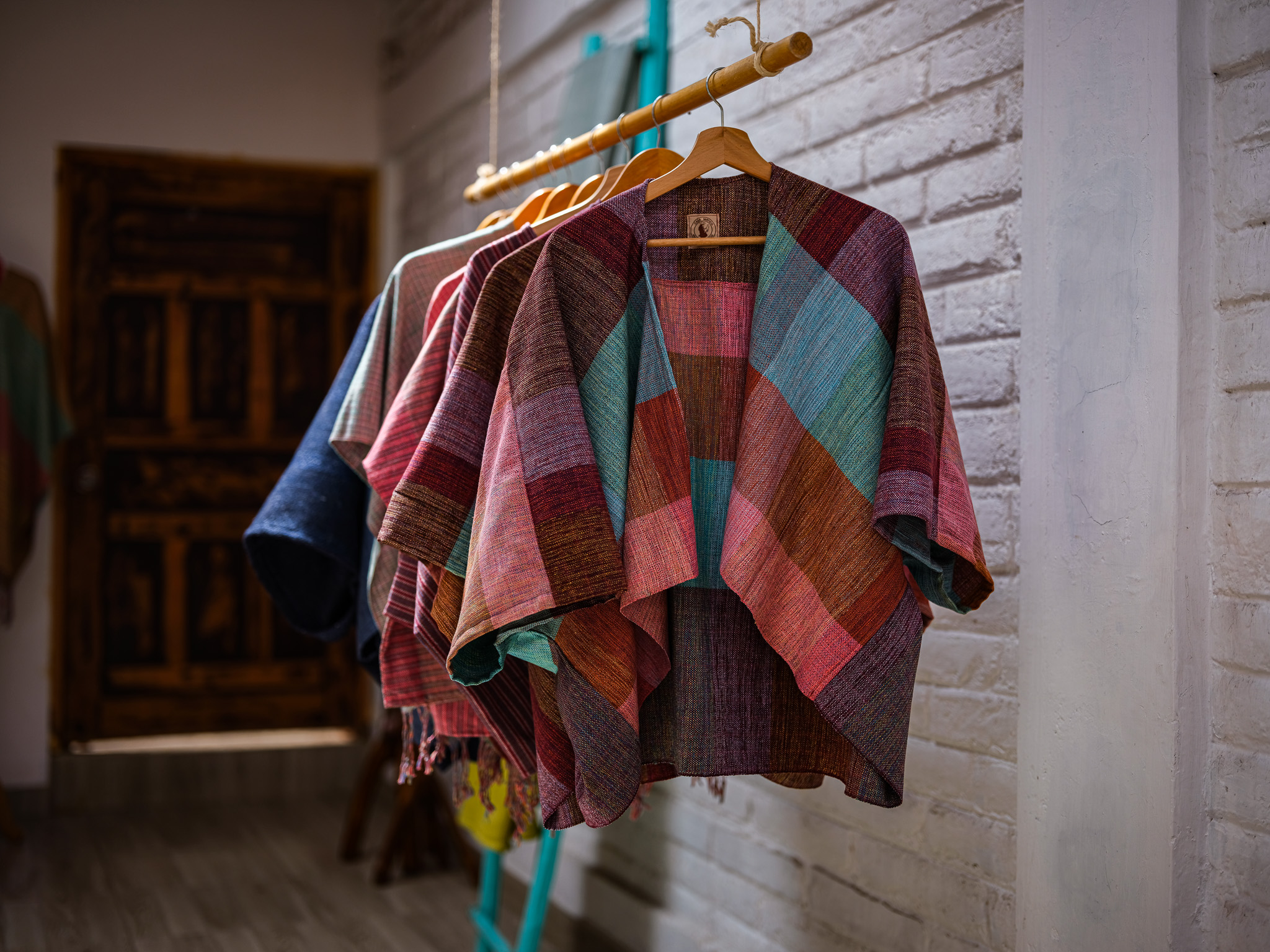
Finished woven garments hanging in Casa MaticoPhoto 08 · DSCF8275

Profile 06 · Peguche, Ecuador

Matilde “Matico” LemaPreserving tradition with economic independence

Weaver · Founder · Keeper of Kichwa tradition

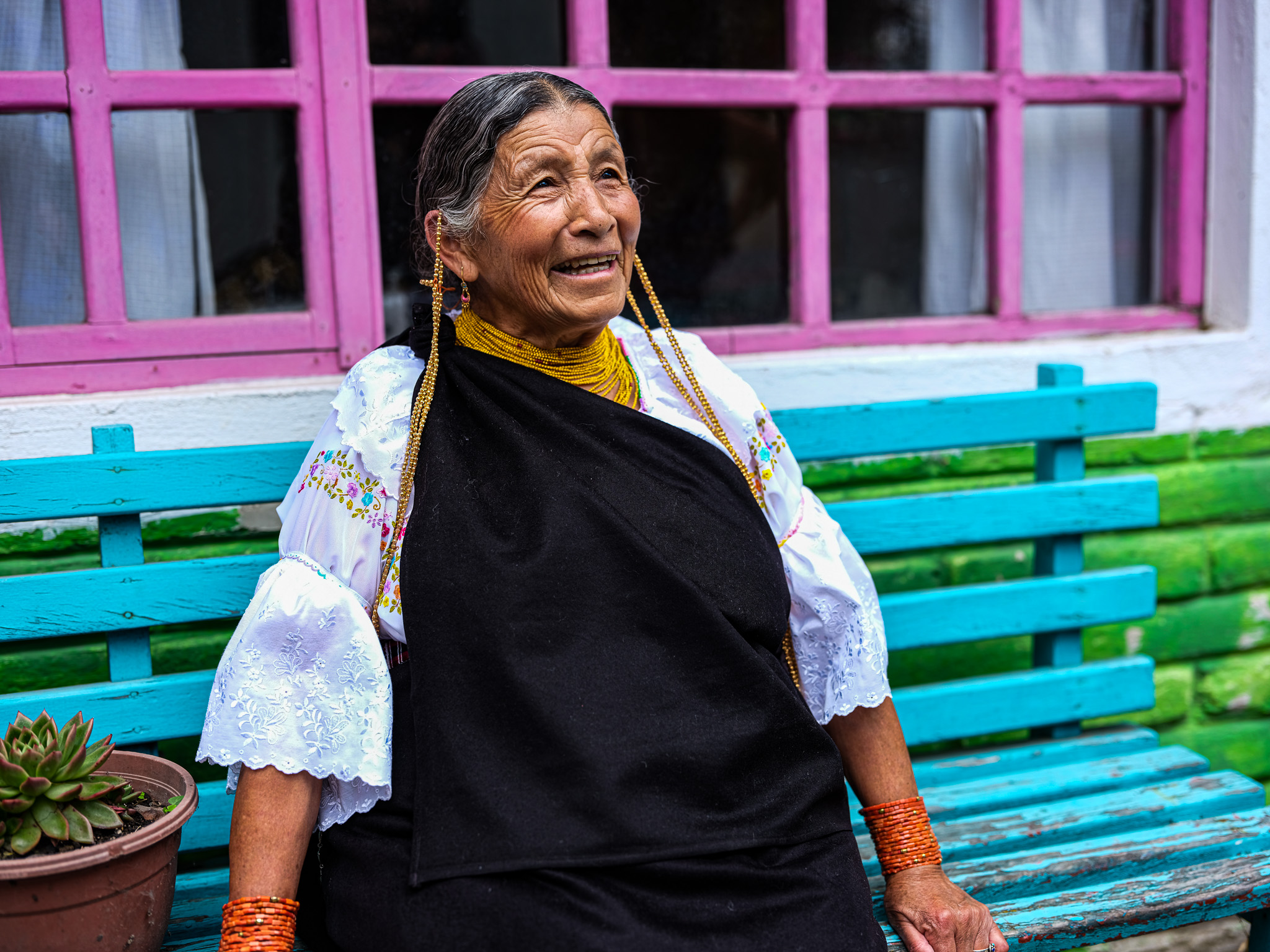
Portrait of Matico outside her home and workshop
Photo 04 · DSCF8107

A lifetime of weaving

Matilde “Matico” Lema has spent much of her life working to preserve the weaving traditions of her Indigenous Kichwa community in Peguche, Ecuador. But for Matico, preserving those traditions has always gone hand in hand with creating economic opportunities for the women who practise them.

Having learned to weave at a young age, Matico understood the value of skills passed down through generations. In 1999, she founded Huarmi Maqui, meaning “Women’s Hands,” bringing together Indigenous women to produce traditional textiles while earning an income to support their families.
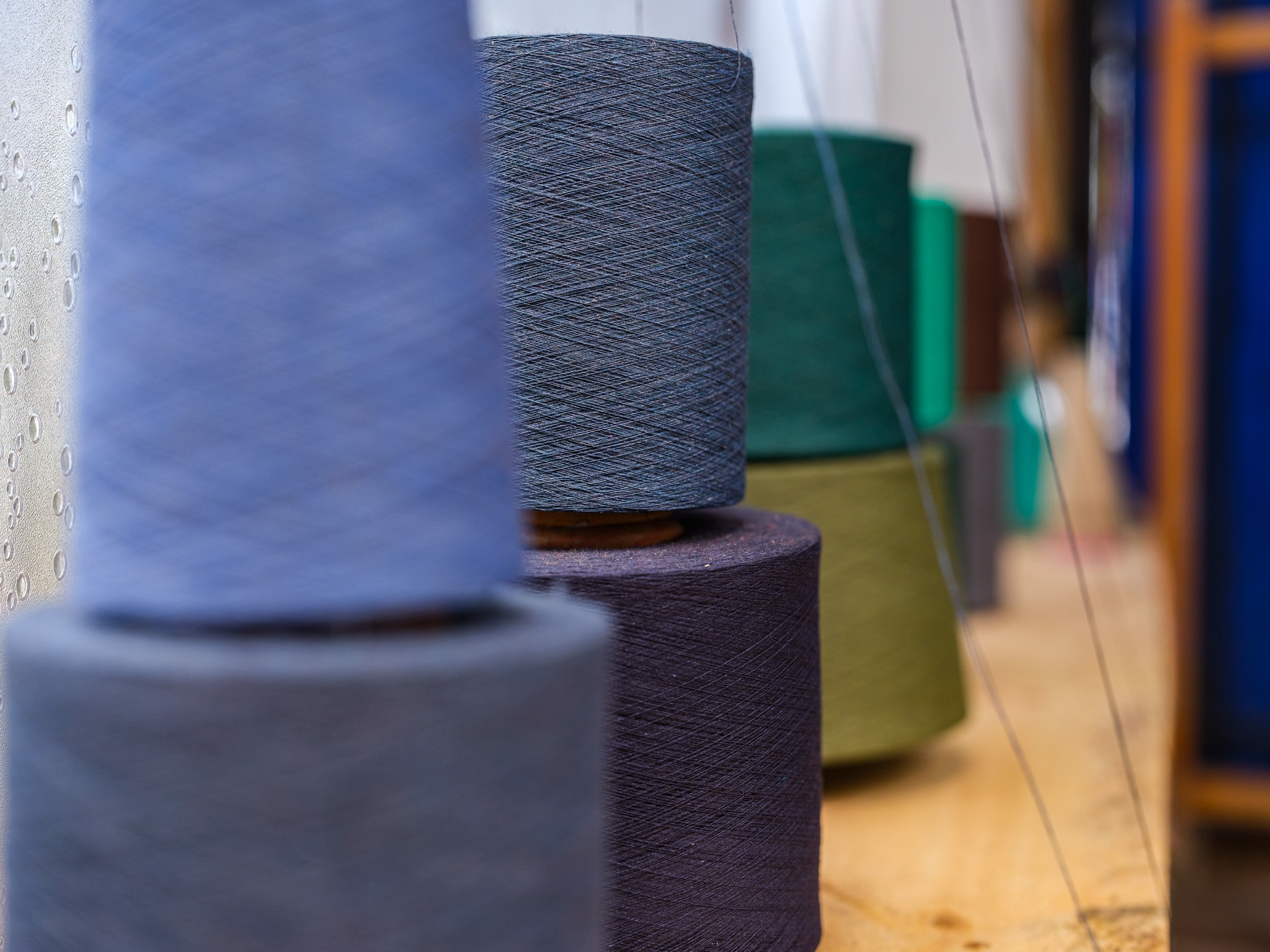
Spools of coloured thread
Photo 06 · DSCF8132
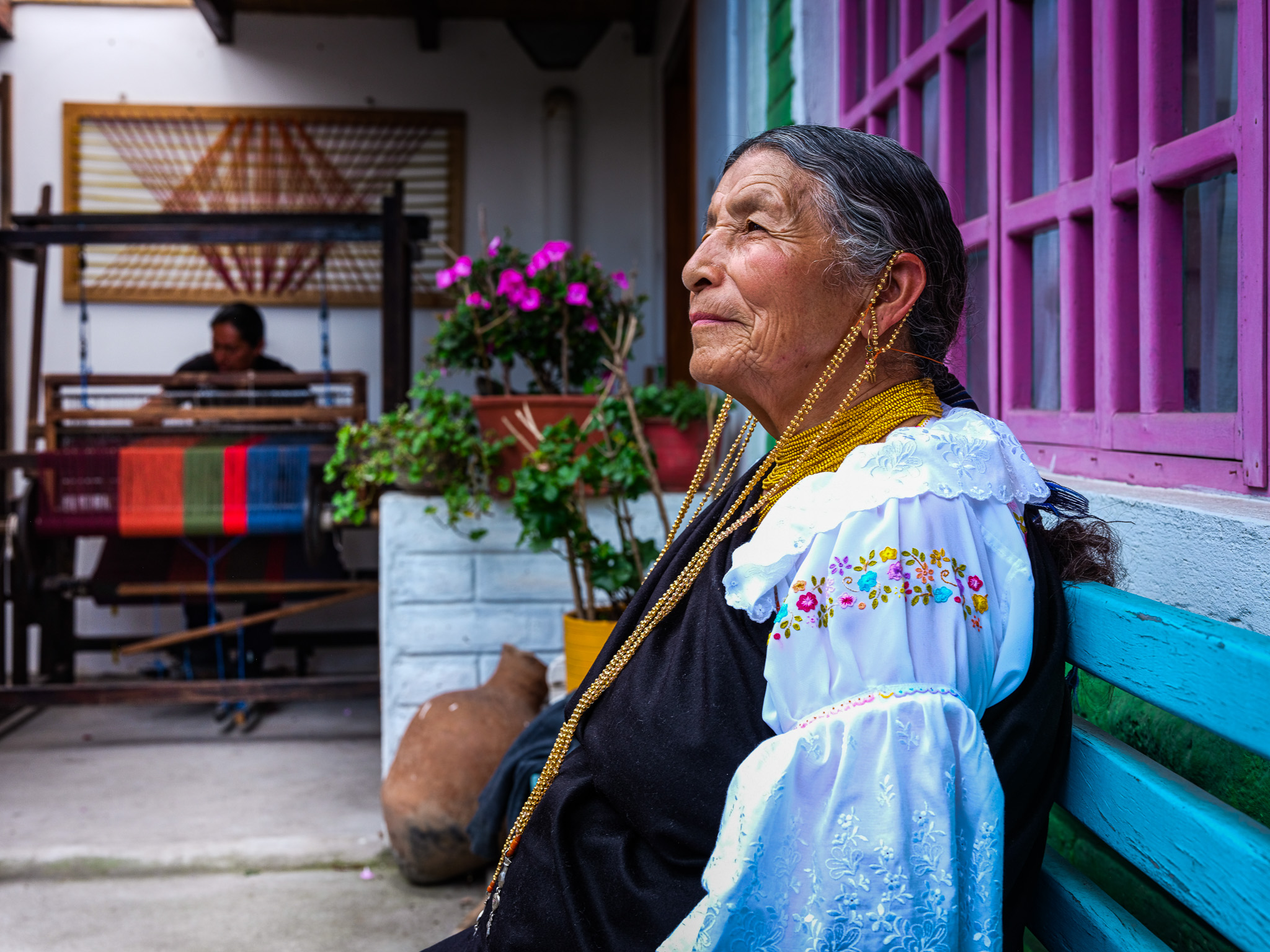
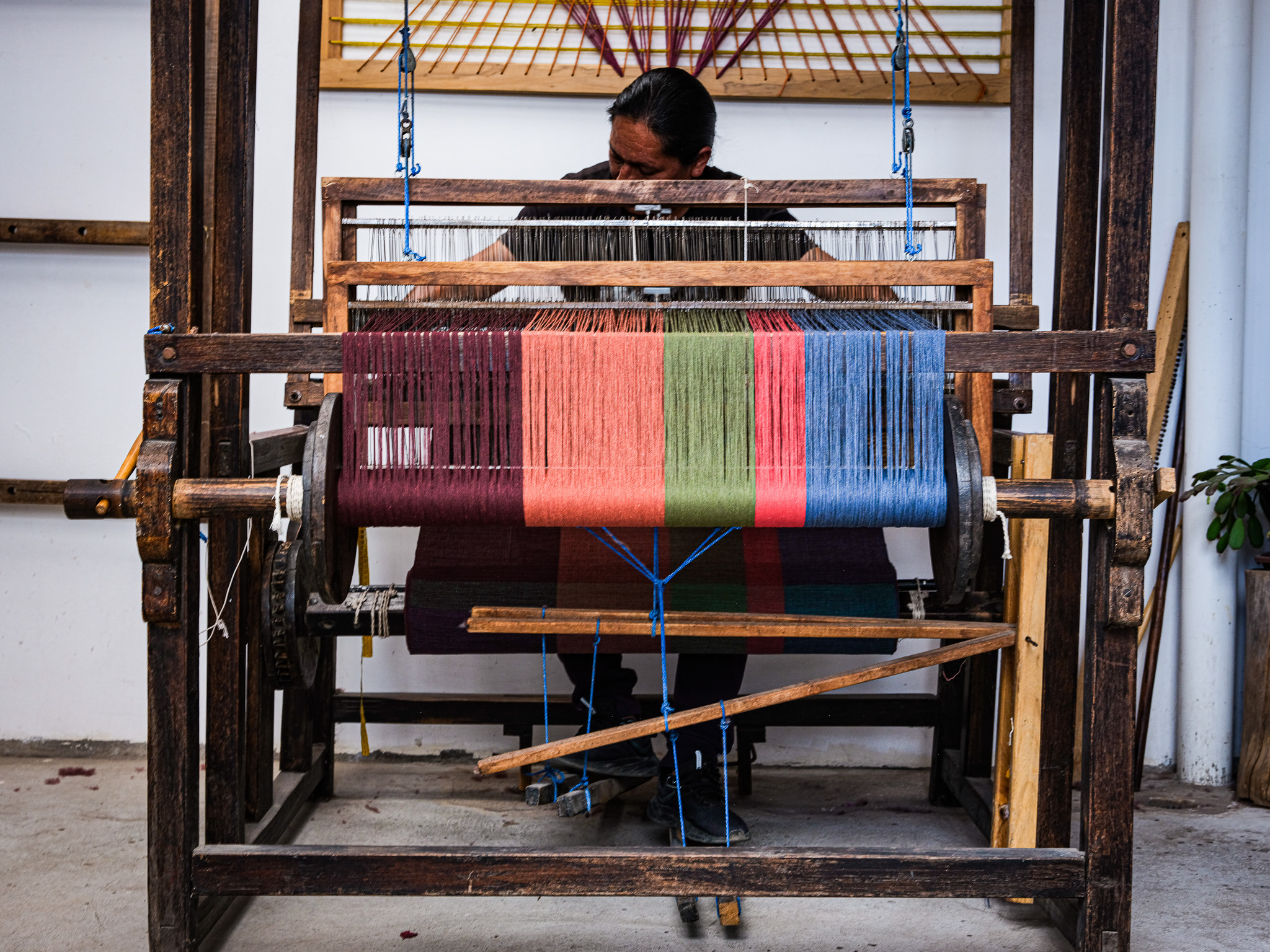
Matico seated with her loom visible behind her
Photo 09 · DSCF8290
Matico preparing raw fibre
Photo 03 · DSCF8089

Women’s Hands

Today, Matico works from Casa Matico, her home and workshop, producing ponchos, shawls, blankets and other textiles using traditional looms and natural fibres. Each piece reflects generations of knowledge and craftsmanship, but making a living from that work has become increasingly difficult. Cheaper, machine-made textiles compete for the same customers, putting pressure on artisans whose work requires considerably more time and skill.

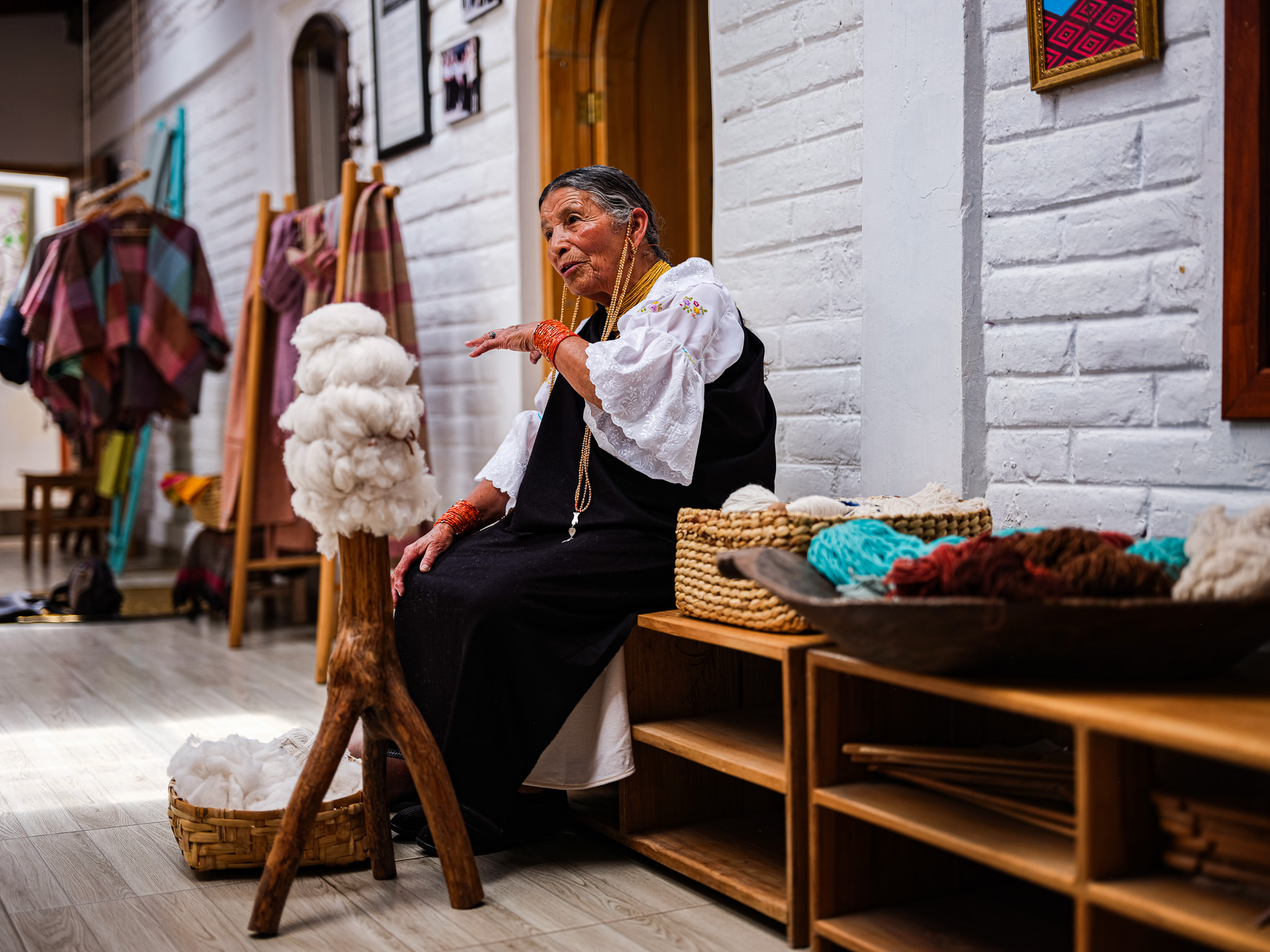
Matico seated among raw fibres in Casa Matico
Photo 01 · DSCF8010
Matico working at a traditional loom
Photo 02 · DSCF8012
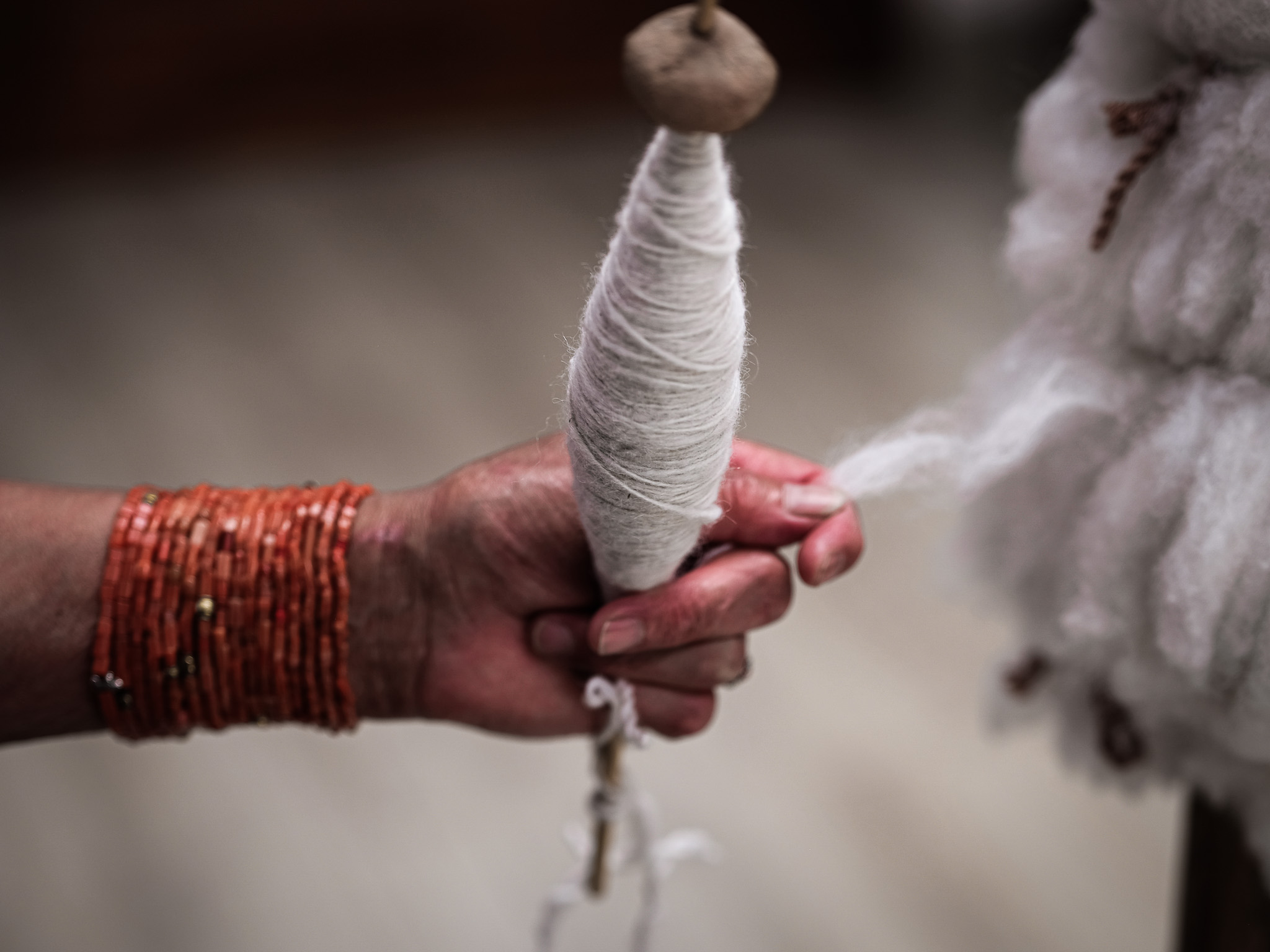
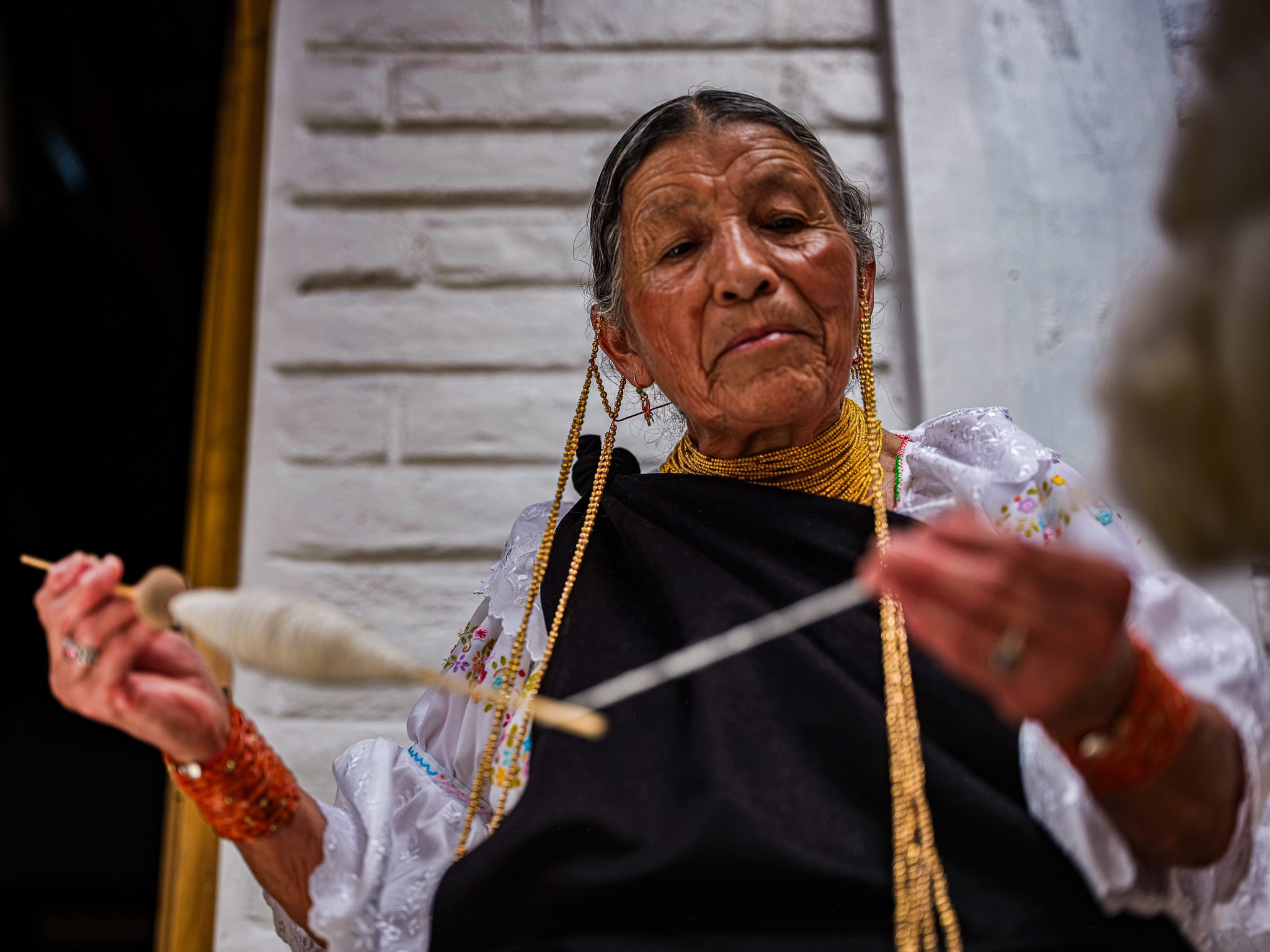
Matico demonstrating the preparation of thread
Photo 07 · DSCF8247
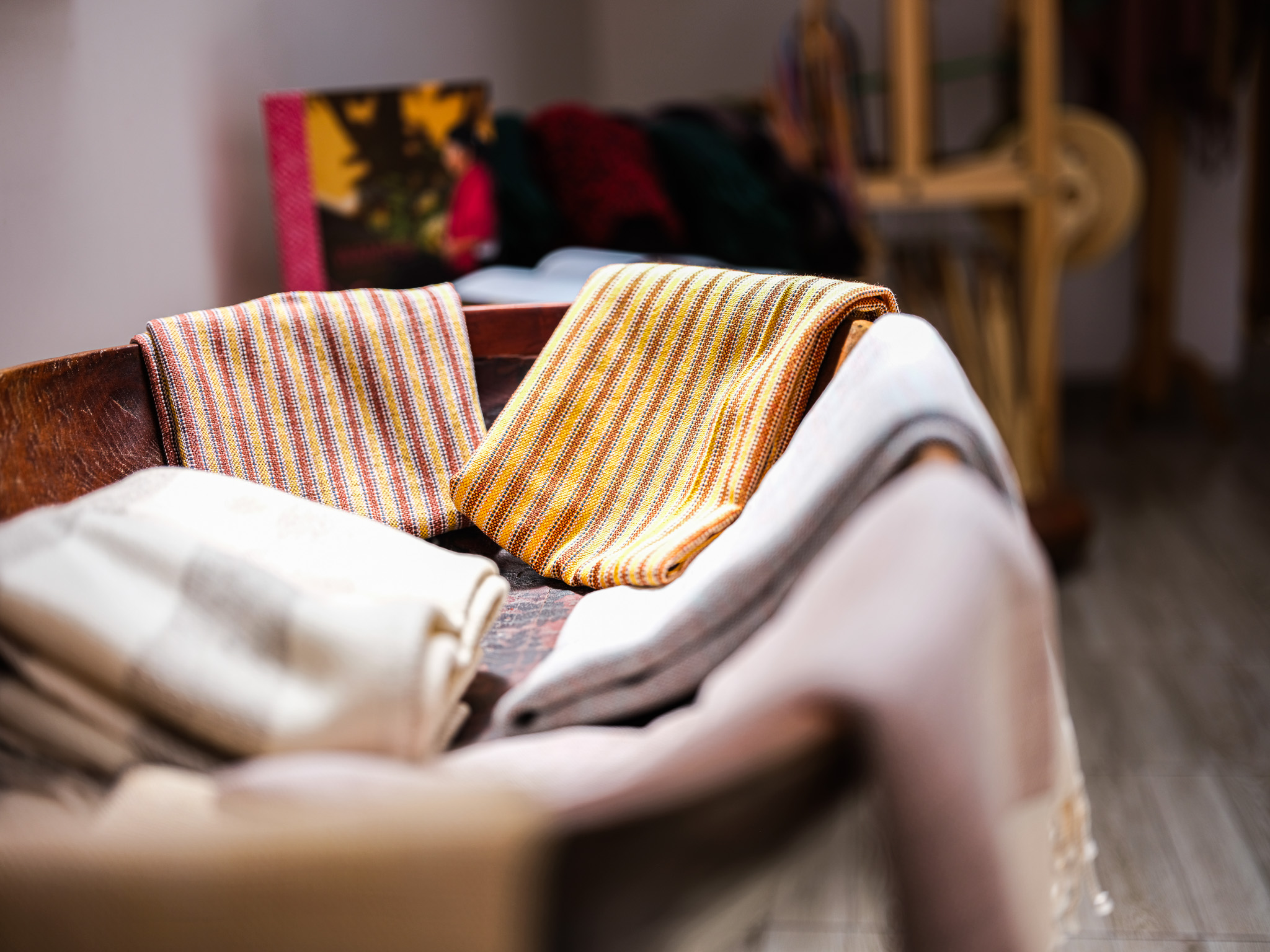
Handwoven textiles made at Casa Matico
Photo 10 · DSCF8293

Tradition as independence

For Matico, the challenge is not simply keeping an old tradition alive. It is finding a way for that tradition to provide a sustainable livelihood for the people who practise it. Her daughter Paola now works alongside her, helping carry those skills and ambitions into another generation.

Through Huarmi Maqui, Matico has demonstrated that cultural preservation and economic opportunity need not be separate ambitions. By creating a market for traditional craftsmanship, she is helping ensure that the knowledge passed down through generations continues to have a place in the future.