Economies Without Scale← Back to project
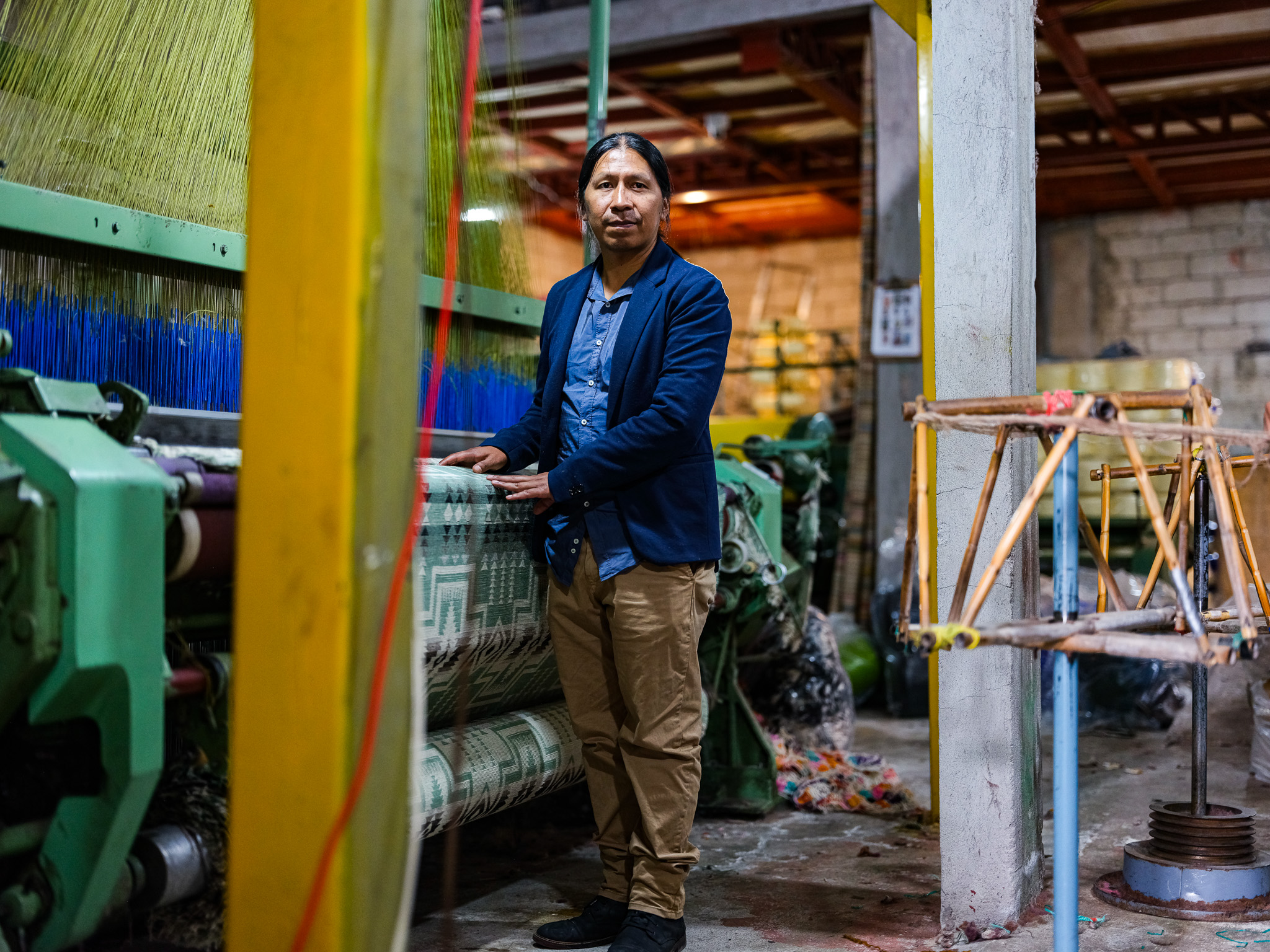
Segundo standing inside the Milmarte textile workshopPhoto 08 · DSCF8483

Profile 11 · Peguche, Ecuador

Segundo & AliciaCaught Between Two Worlds

Textile makers · Family enterprise · Milmarte

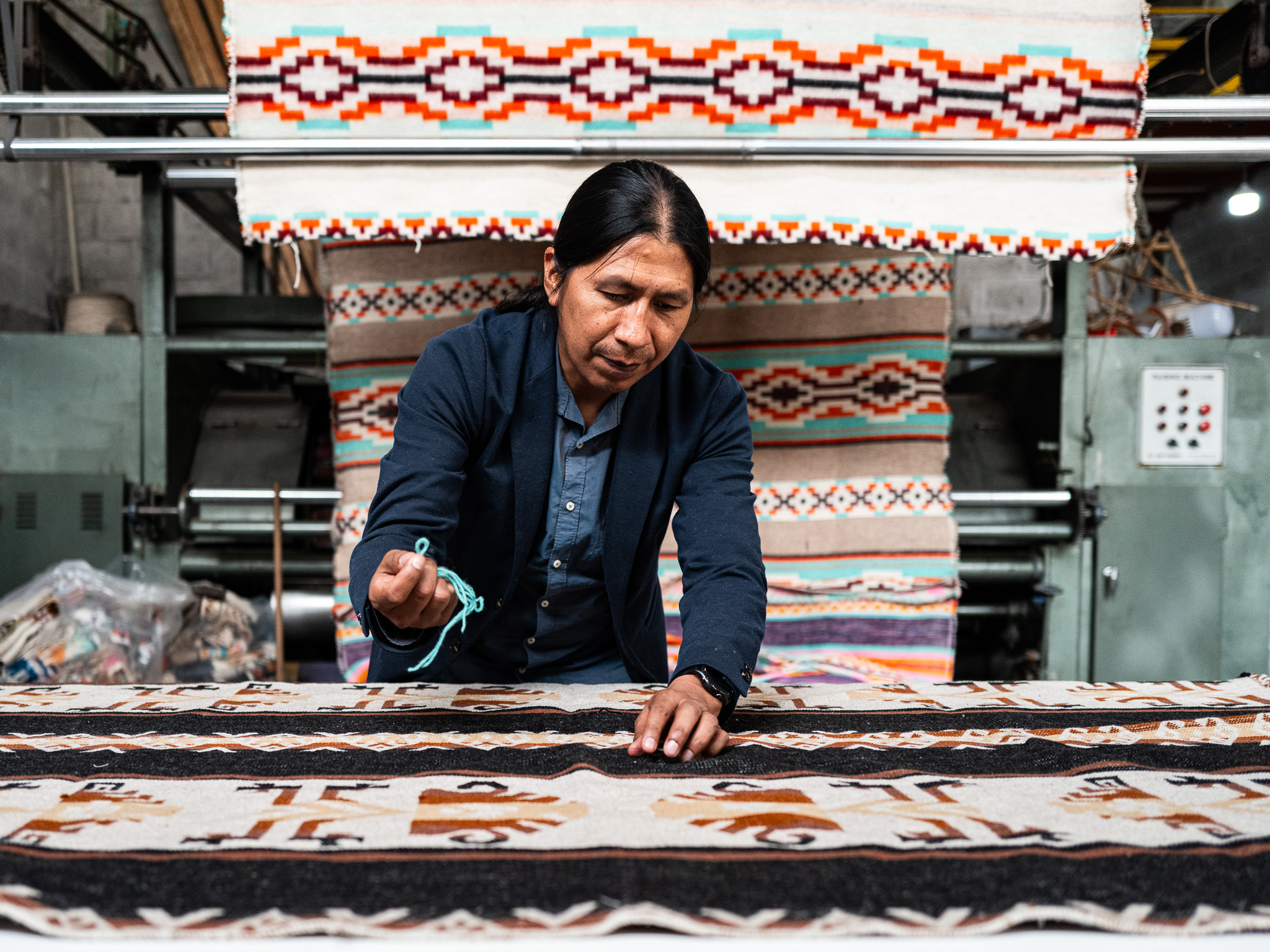
Segundo presenting a finished textile in the workshop
Photo 11 · L1010528

A family workshop

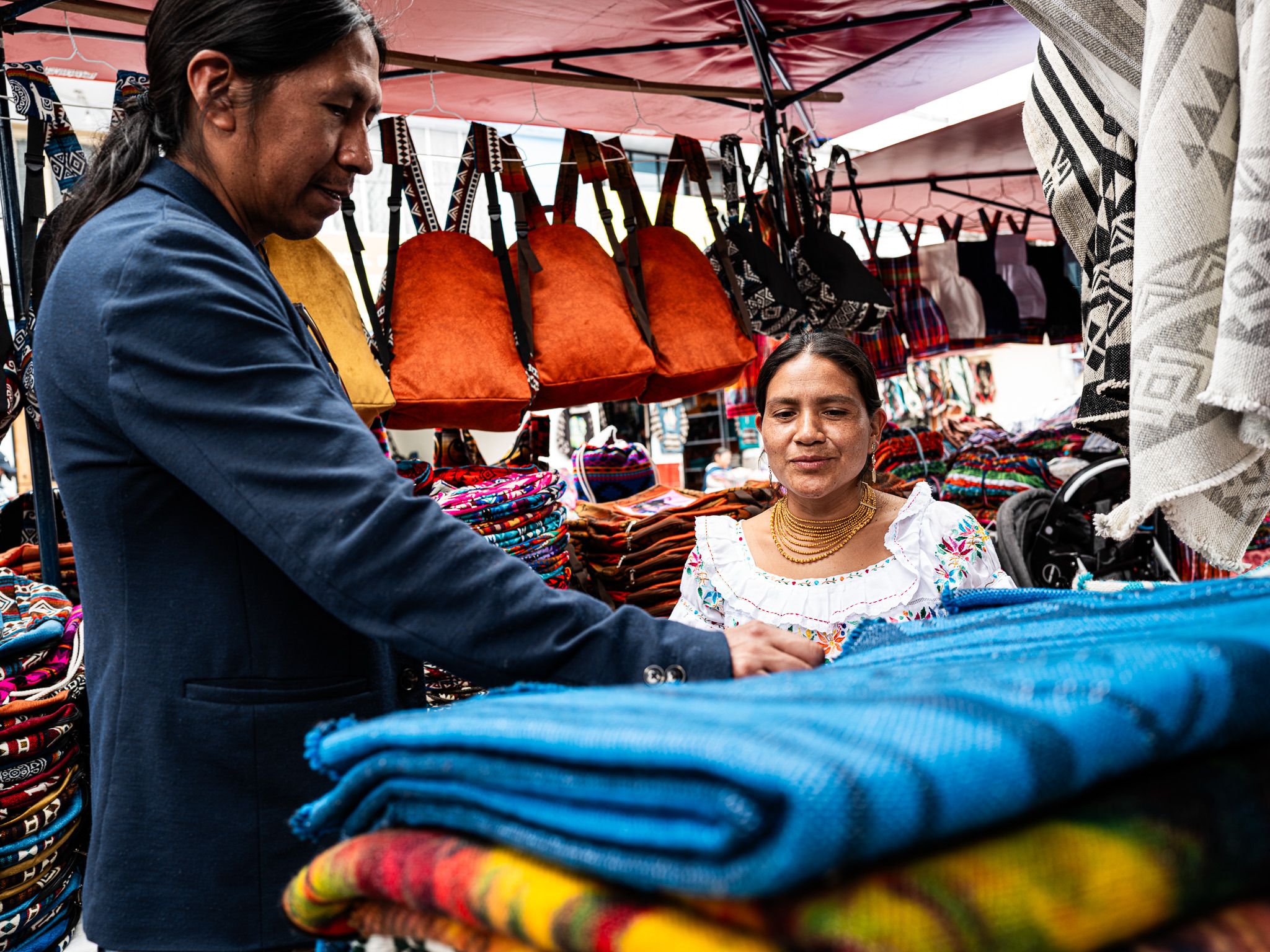
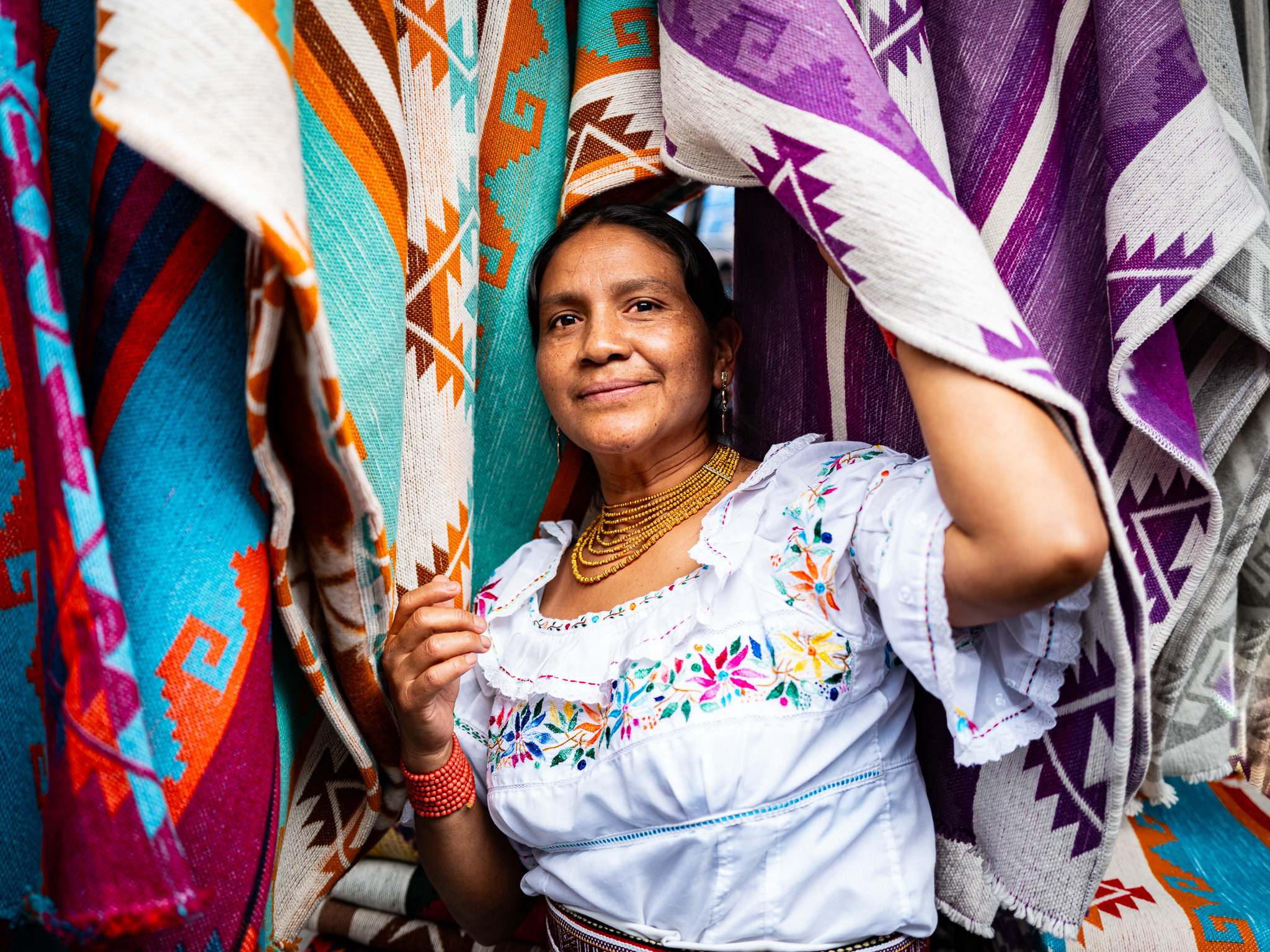
Segundo runs Milmarte, a family textile workshop in Peguche, a community near Otavalo, Ecuador. He works alongside his brothers and their families, while his wife, Alicia Yamberla, sells their textiles each week at Otavalo’s famous Ponchos Plaza.
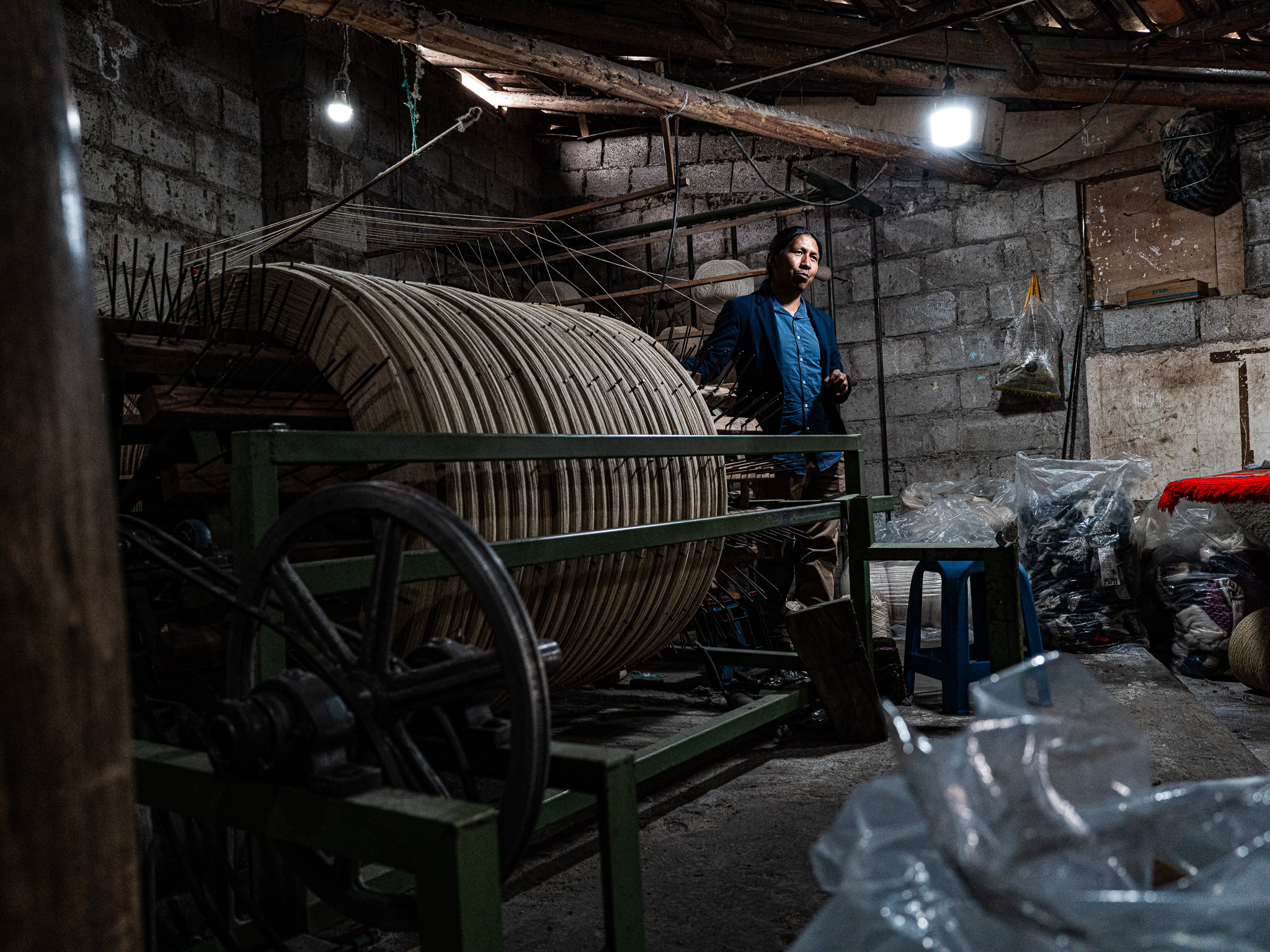
A textile artisan standing beside machinery in the Milmarte workshop
Photo 03 · L1010489

Wool and art

The name Milmarte reflects a combination of milma, the Kichwa word for wool, and arte, the Spanish word for art.

But industrializing the workshop has left Segundo in an unusual and sometimes difficult position. Within Otavalo’s artisan community, he has struggled to be recognised as a true artisan because Milmarte uses more modern machinery and produces on a larger scale than many traditional workshops.

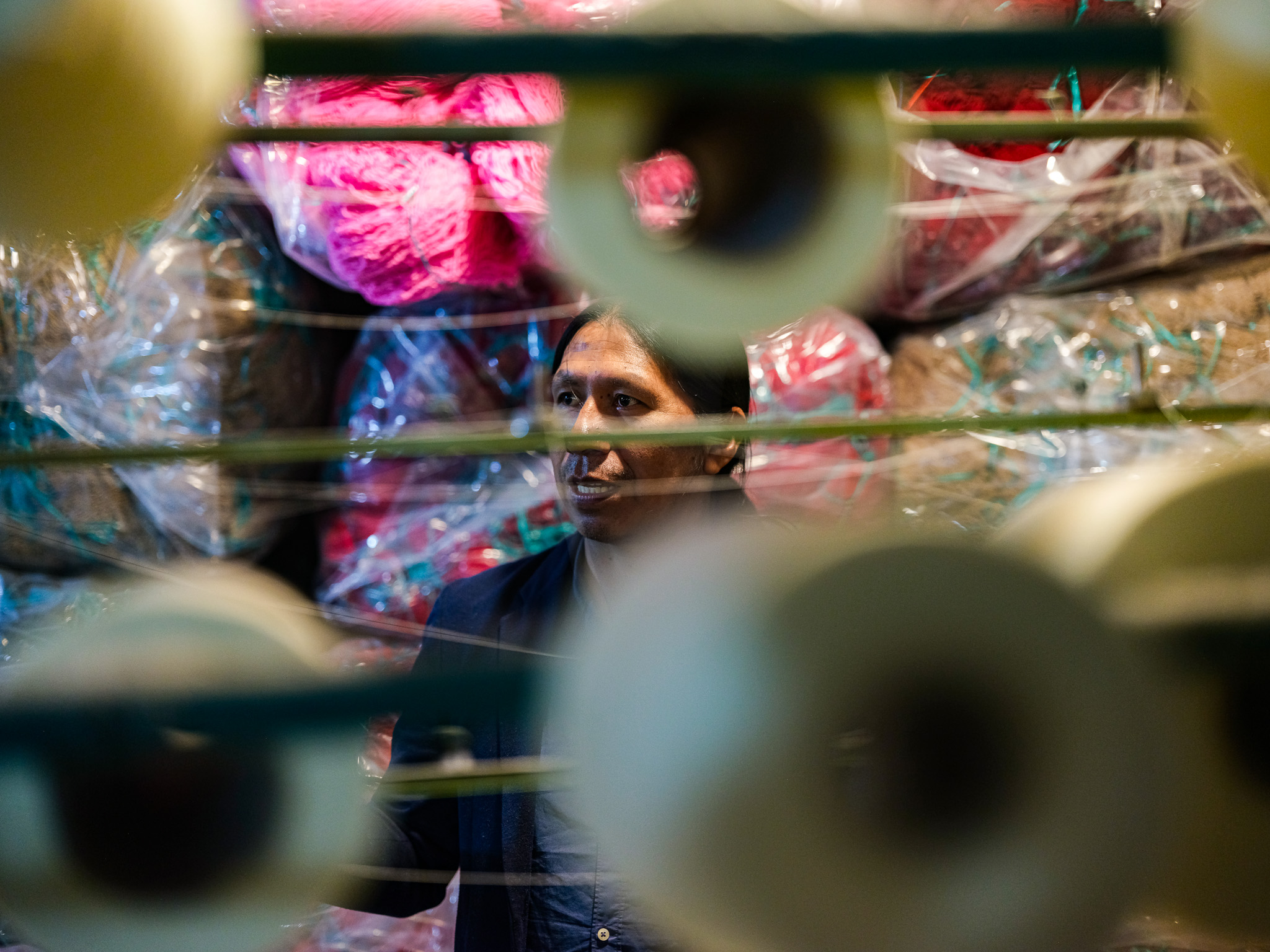
Segundo working among the spools and machinery
Photo 04 · DSCF8449
Segundo and Alicia presenting textiles at Ponchos Plaza
Photo 10 · L1010388
Alicia Yamberla surrounded by textiles at Ponchos Plaza
Photo 09 · L1010342-2

Between two worlds

Segundo feels differently. The techniques and knowledge behind his textiles remain rooted in the same traditions as those of other local artisans. He has simply found ways to produce more efficiently. Yet even at this scale, Milmarte cannot compete with the vast industrial textile factories of Asia.

Segundo therefore finds himself caught between two worlds. He is too large to be considered an artisan, yet far too small to be an industrialist.

Holding onto meaning

Despite this tension, Segundo and his family continue making textiles in Peguche, adapting their methods while holding onto the traditions at the heart of their work.